Yearly Archives: 2016

Closer Deconstructed

To read this report, please log in.

Log in

If you don't have an active subscription, please fill out the form below to receive one-week complimentary access to Hit Songs Deconstructed Reports and the
IMMERSION database.

Released in July 2016, Closer was the third single from The Chainsmokers’ EP, Collage. It features a duet between Andrew Taggart and Halsey, who depict two exes that hook up following a multi-year hiatus.

While Closer possesses many of the core characteristics found in hit songs, what really sets it apart is its main hook. Lifted from The Fray’s 2005 hit, Over My Head (Cable Car), it is featured in various manifestations in every section of the song, which is quite rare. As a result, this earworm is difficult to shake, but remains fresh and engaging due to its constantly changing qualities.

Since its release, Closer has risen to the top spot on over 20 charts throughout the world, including 12 consecutive weeks at #1 on the Billboard Hot 100.

Closer Deconstructed takes a deep dive into the songwriting and production techniques that helped make the song a global hit.


Back to Top
Skip to:


At a Glance


Artist/Group: The Chainsmokers featuring Halsey
Song: Closer
Songwriters: Andrew Taggart, Freddy Kennett, Halsey, Isaac Slade, Joe King, Shaun Frank
Producer: The Chainsmokers
Record Label: Columbia

Primary Genre: Dance/Club/Electronic
Influences: Alt/Indie, Dance/Club, Electropop, R&B/Soul
Length: 4:00
Full Form: I-A-PC-B-IB-A-PC-B-IB-B-VB-IB-O
Key: Ab Major

Tempo: 95 BPM
First Chorus:  50 seconds / 21% into the song
Intro Length: 10 seconds
Electronic vs. Acoustic: Electronic/Acoustic Combo
Prominent Instrumentation: Bass (Synth), Claps/Snaps, Drums/Perc, Guitar (Electric), Piano (Acoustic), Synth
Primary Lyrical Theme(s): Love/Relationships, Hooking Up
Title Appearances: Closer appears 3 times in the song
Lyrical P.O.V: 1st and 2nd 

Section Abbreviation Key

I=Intro
A=Verse
PC=Pre-Chorus
B=Chorus
C=Bridge
IB=Instrumental Break
VB=Vocal Break
T=Turnaround
O=Outro

Overview, Highlights & Takeaways


Hooks
Primary Hook – Vocal & Instrumental

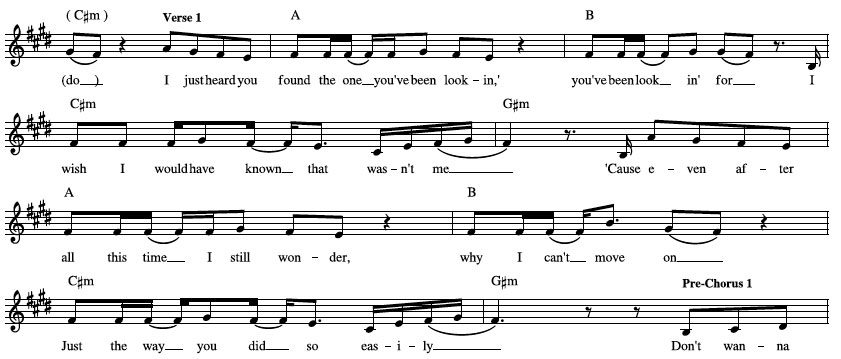
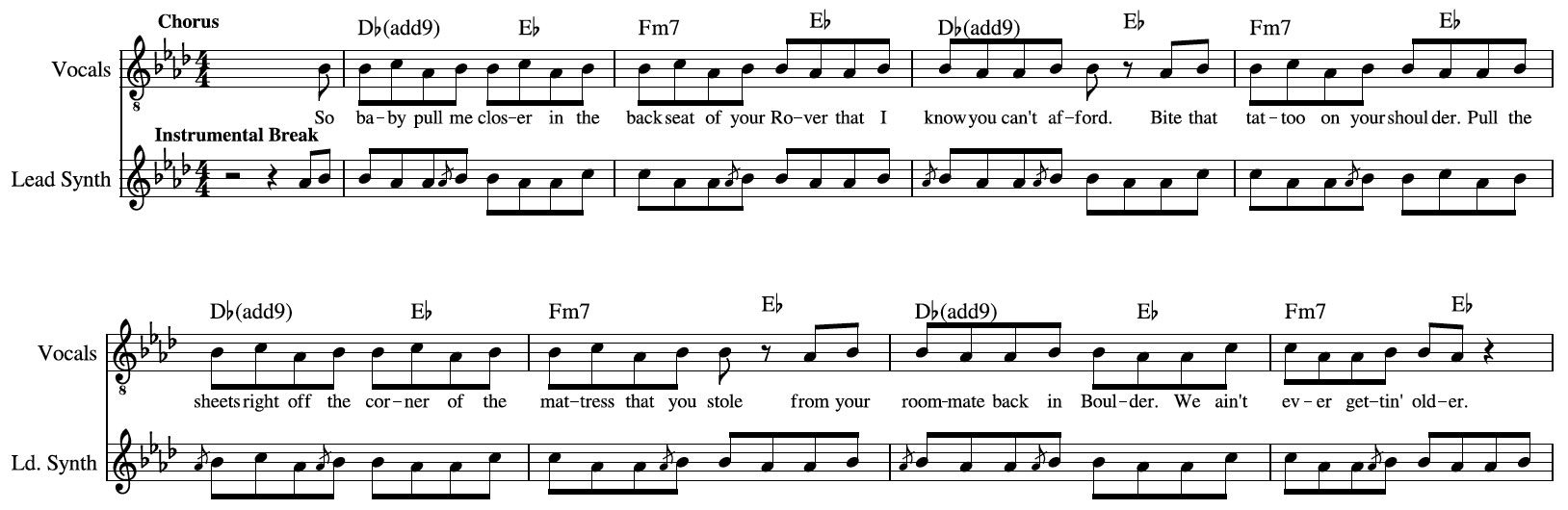
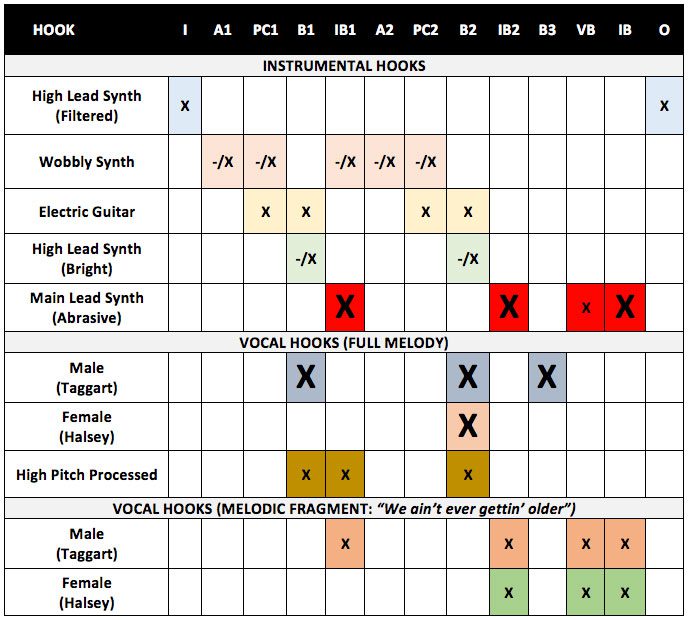
Closer’s main hook, which was lifted from a hook featured in The Fray’s 2005 hit, Over My Head (Cable Car), is featured in various manifestations in EVERY SECTION OF THE SONG. Note that it is extremely rare to have essentially the same hook repeat in every section.

It’s delivered vocally by Taggart and/or Halsey in the choruses, and instrumentally by an array of synths and guitar in varying levels of prominence in every section save for the third chorus. As a result, the hook melody gets firmly ingrained in the listener’s head without wearing out its welcome due to its constantly changing qualities.

The hook is featured most prominently in lead form in the chorus (vocally) and instrumental break (instrumentally). It plays more of a supportive/underlying role in the other sections of the song.
hook-closer

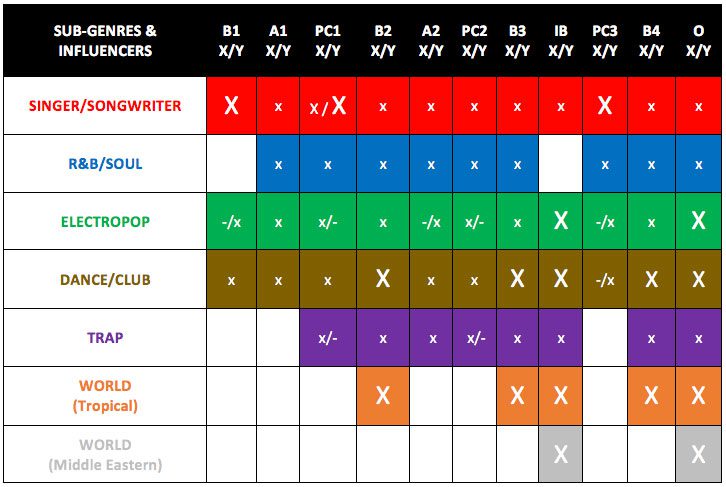
What follows is a chart detailing the specific instrument and/or vocal delivering the hook, in full or in part, in each section of the song. Reference the Vocal Melody and Music/Instrumentation sections of the report for further details.

Key

-/-: First half of a section / second half of a section
x: Slight to moderate prominence in a section
X: Major prominence in a section
Hook-table-Closer

Primary Lyrical Hook

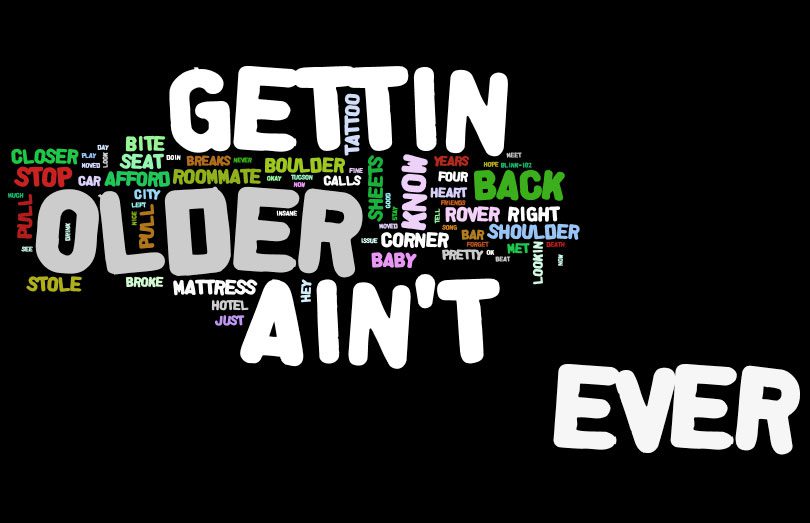
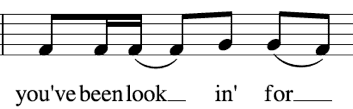
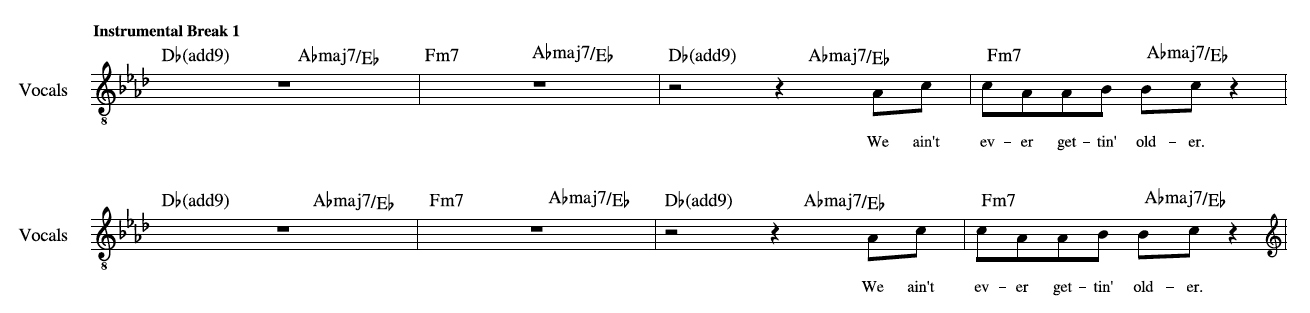
Closer’s primary lyrical hook does not include the title, which is typically the case with many mainstream hits. Instead, the following phrase functions as the song’s primary lyrical hook:

“We ain’t ever gettin’ older”

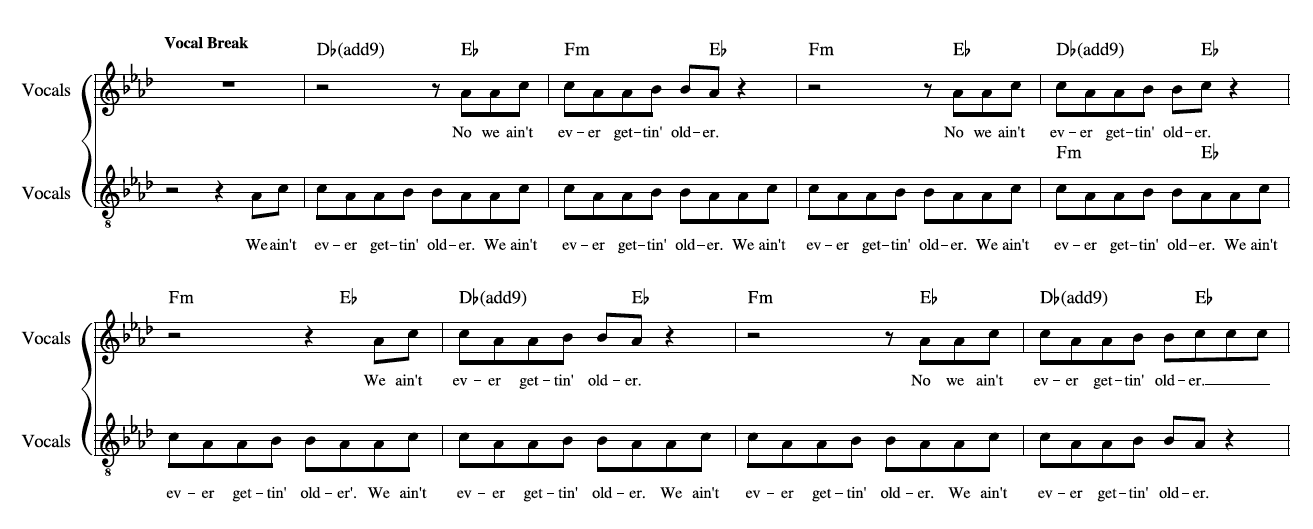
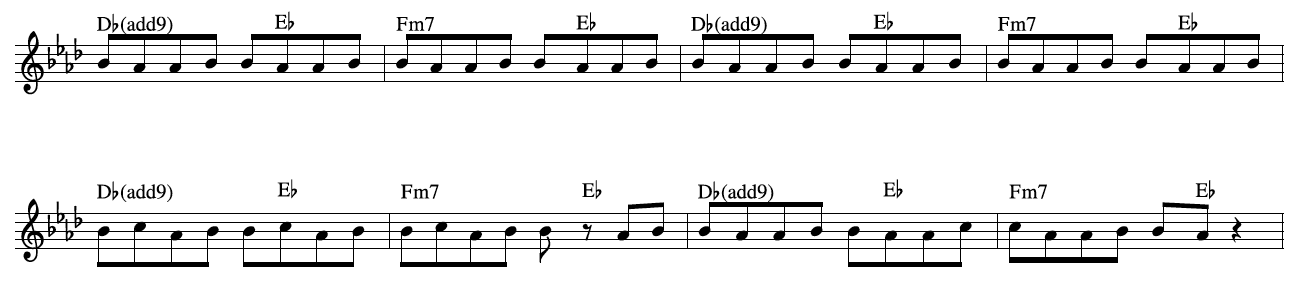
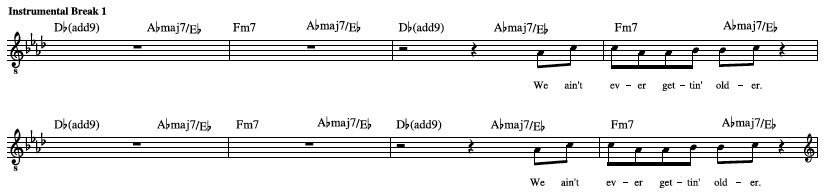
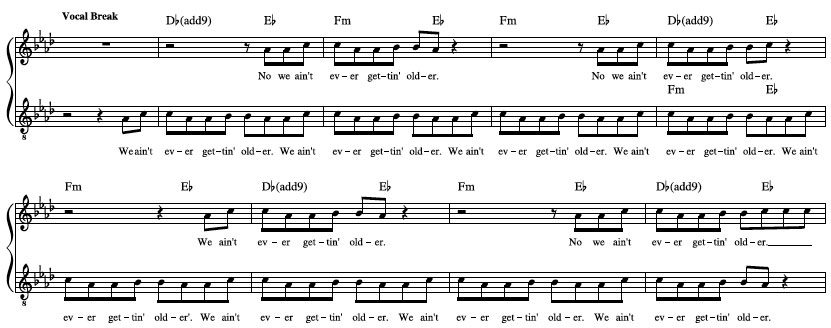
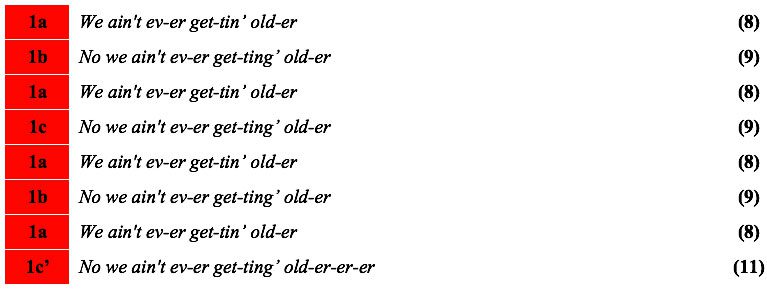
It appears as the very last phrase in each chorus section, it’s the only phrase that’s repeated in the instrumental break sections, and it’s the only phrase that’s repeated in the vocal break section:

Instrumental Break
inst-break-fixed

Vocal Break

vocal-break-fixed

Hook Centers

While every section within Closer can technically be considered a hook center due to the fact that the main hook appears in each, there are three sections that trump the others:

  • Chorus: Features the main vocal hook and underlying instrumental hook (except for chorus 3)
  • Instrumental Break (Post Chorus): Features the main instrumental hook and vocal hook.
  • Vocal Break (Post Chorus): Features the repetition of the “we ain’t ever gettin’ older” vocal hook coupled with the underlying instrumental hook.
Structure: Overview

Form: (I / A – PC – B – IB / A – PC – B – IB / B – VB – IB – OCloser kicks off with the intro, and is directly followed by a 2x repeat of a verse – pre-chorus – chorus – instrumental break sectional progression. Following the second instrumental break, a differentiated sectional progression consisting of chorus – vocal break – instrumental break – outro ensues, followed by the song coming to its conclusion.

Note that the instrumental break and vocal break sections function as post choruses due to the infectious instrumental and vocal hooks they house following the chorus. Additionally, the third chorus and vocal break function as bridge surrogate sections due to the departure they provide where one would typically expect to find the bridge (i.e. around two-thirds of the way into the song).

Section Length: Each full section within Closer except for two are 20 seconds / 8 bars in length. The exceptions are the intro and outro, both of which land at 10 seconds / 4 bars.

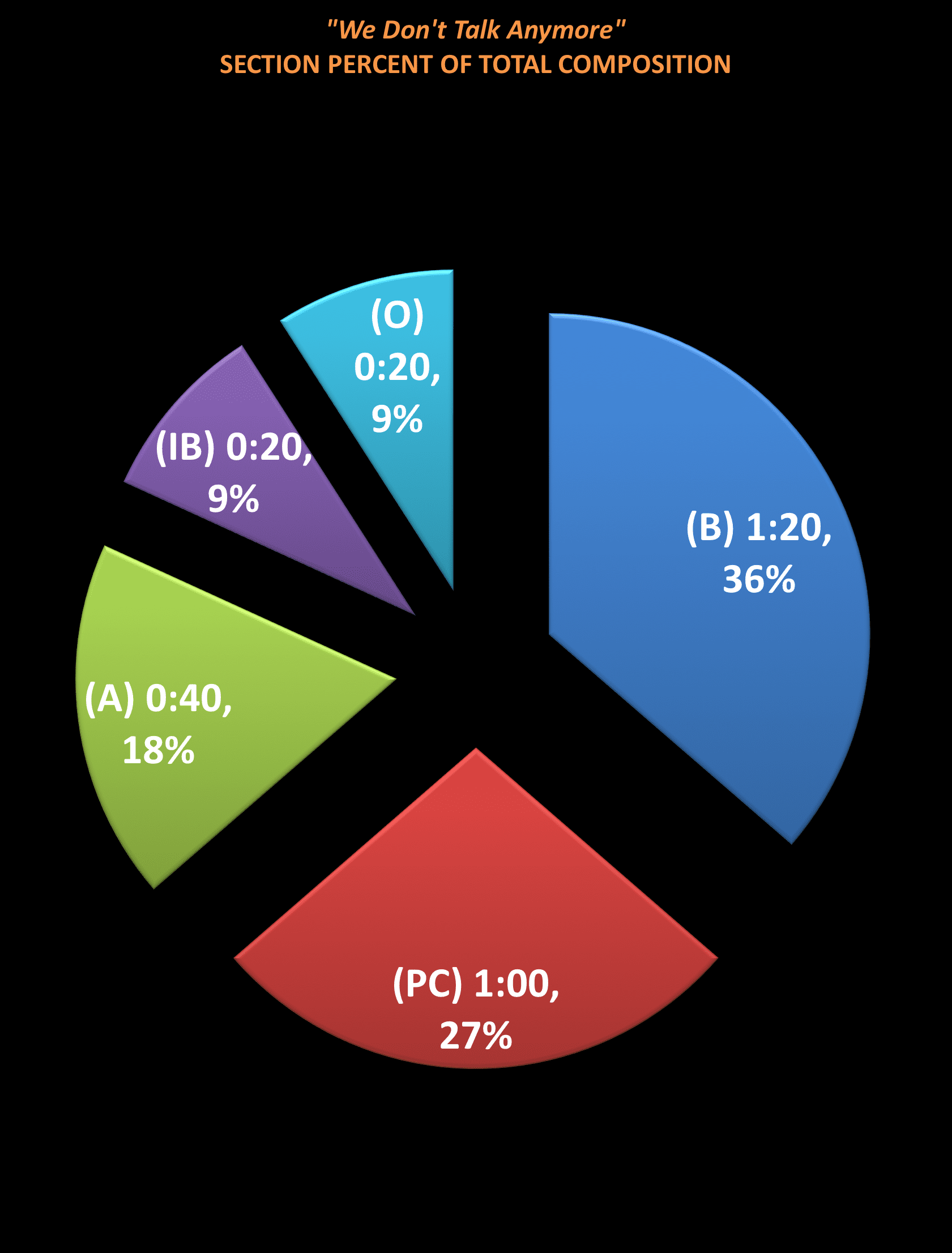
Sectional Time Allocation: The majority of time within Closer is allocated to its two primary “hook centers” – the chorus and instrumental break post choruses. Both account for 25% of the song’s total composition. The verse and pre-chorus follow at 17%, each. The vocal break post chorus accounts for 8%, and the intro and outro account for the least at just 4%, each.

First Chorus Appearance: Closer’s first chorus occurs at 50 seconds / 21% of the way into the song. The listener’s attention is effectively held up until this point by the intro, verse and pre-chorus sections that precede it.

Sectional Segmentation: With the exception of the chorus and vocal break, each full 20 second / 8 bar section is broken into two shorter 10 second / 4 bar segments, each of which possesses a differentiated characteristic compared to one another (some subtle and some more pronounced). As a result, new elements enter the mix frequently throughout the song, which accentuates the overall engagement factor (i.e. the listener never gets bored with cookie-cutter repetition).

MTI/Energy: Overview

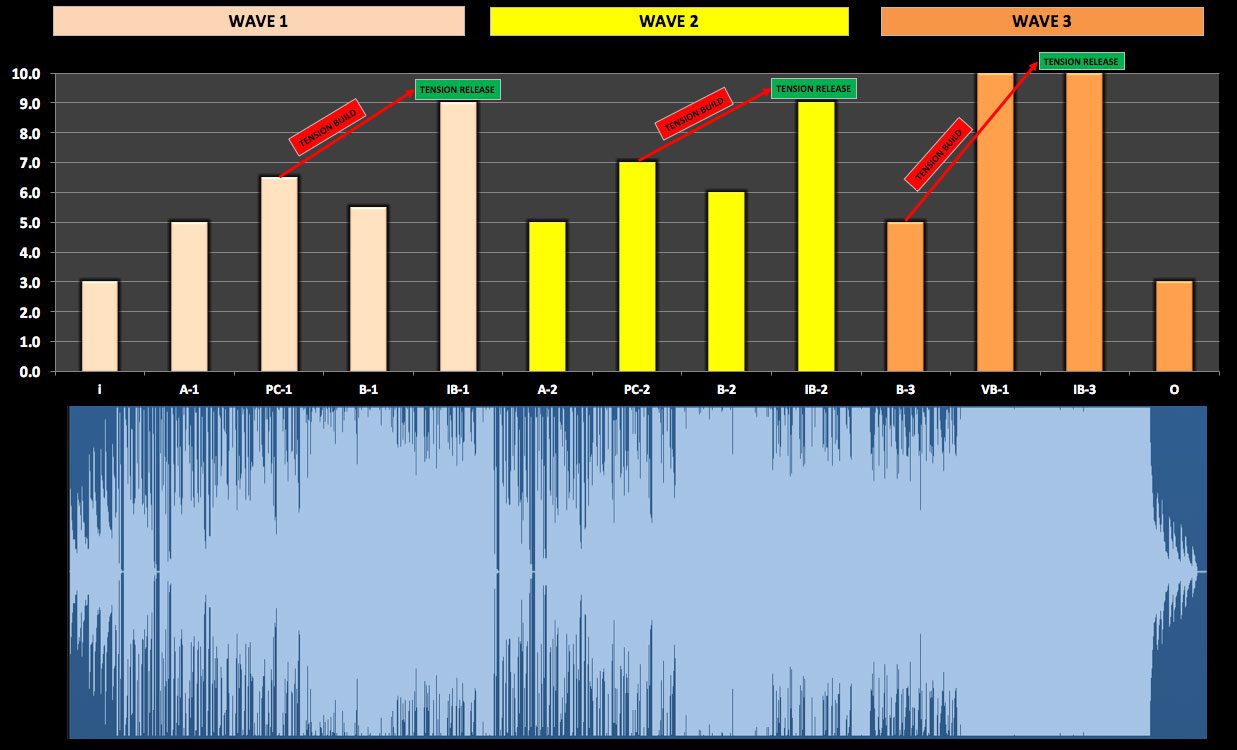
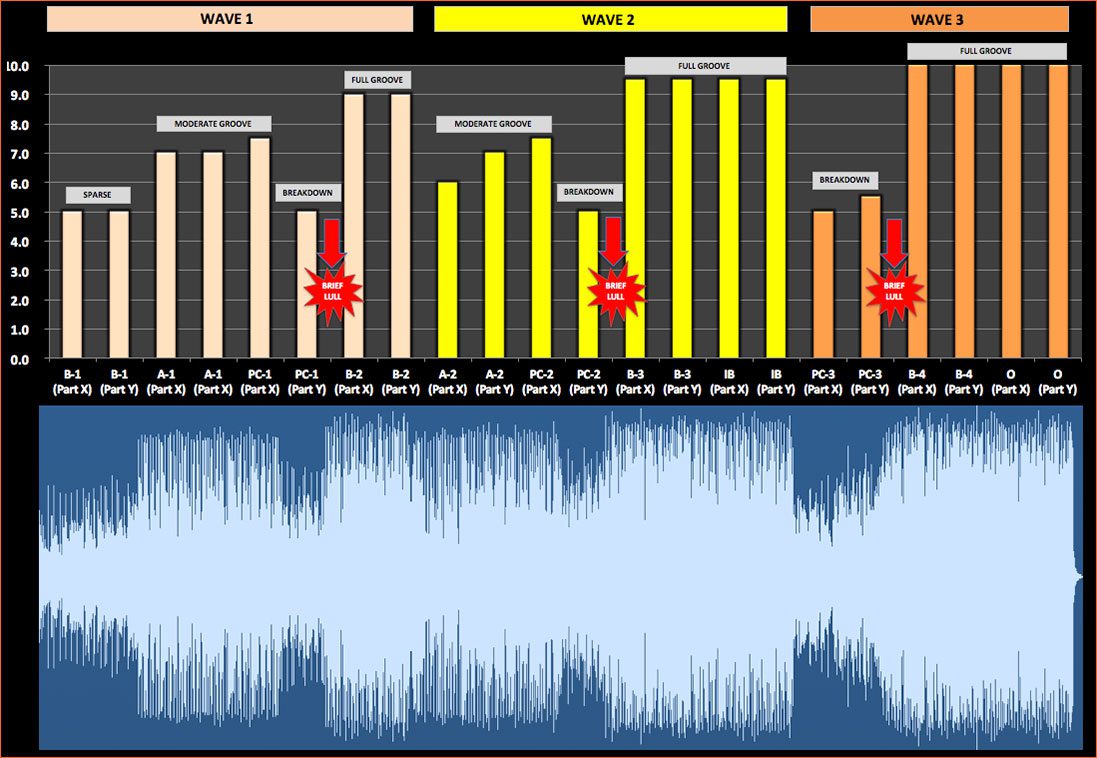
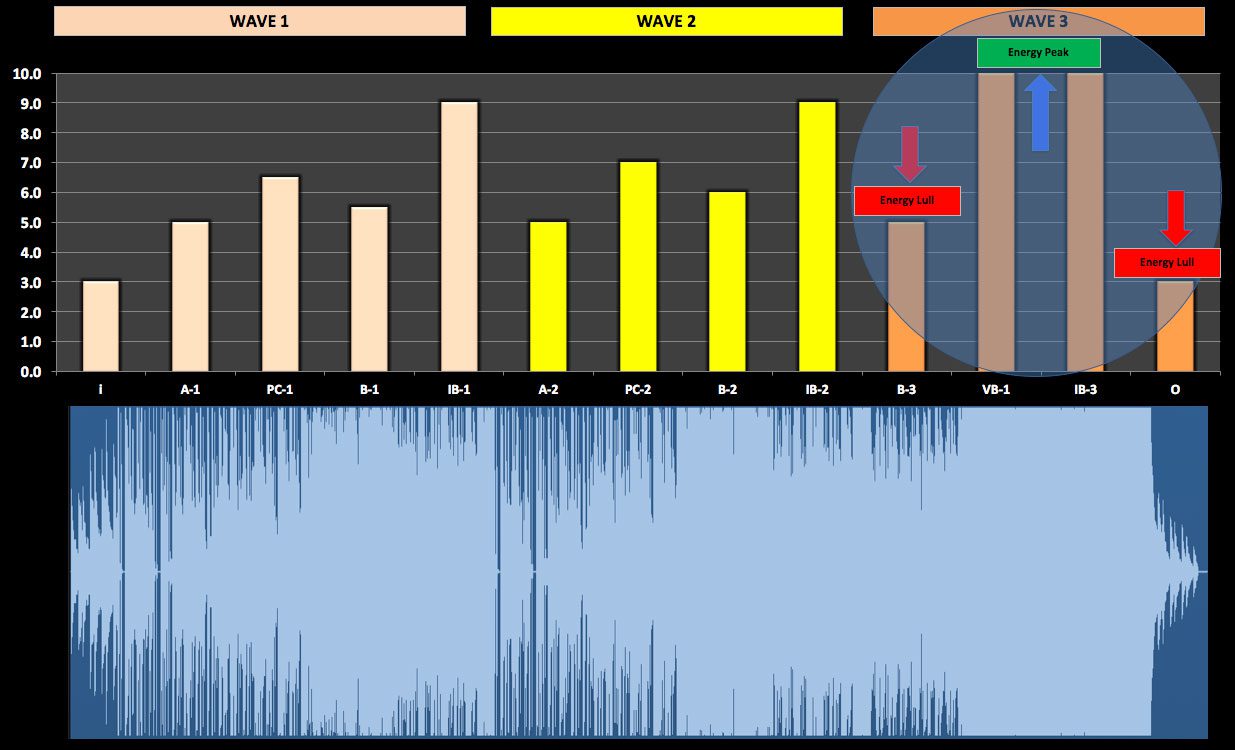
Closer progresses through three MTI/Energy level “waves.” Each wave begins with a relatively low energy level and progresses to an energy level peak. Each wave concludes with an energy level peak except for the last (wave 3), which brings the energy level back down in the outro.

  • Wave 1: Intro – Instrumental Break 1
  • Wave 2: Verse 2 – Instrumental Break 2
  • Wave 3: Chorus 3 – Outro
MTI/Energy Levels & Waveform – Section by Section

mti-closer

Non-Chorus Energy Peak or Tension Release

In contrast to many Pop songs that have the chorus providing an energy level peak and tension release following a build, Closer’s energy level takes a dive in the chorus due to its breakdown/sparse accompaniment characteristic, with the tension still accruing. The energy level peak and tension release is delayed, and transpires in the instrumental break section that directly follows the chorus. The tension build chorus is a characteristic more often found in EDM-influenced hits such as I Took A Pill In Ibiza (Seeb Remix) and The Chainsmokers’ previous hit, Don’t Let Me Down.
Energy Level Extremes

mti-energy-illustration-closer

Notice that the two sections that possess the highest MTI/Energy levels in the song – the back-to-back vocal break and instrumental break 3 – are bookended by sections that possess the lowest/close to the lowest MTI/Energy levels – chorus 3 and the outro. The combination of extremes functions to both accentuate the power of the vocal break and instrumental break, while at the same time accentuating engagement value via the stringent dynamic contrast imparted.
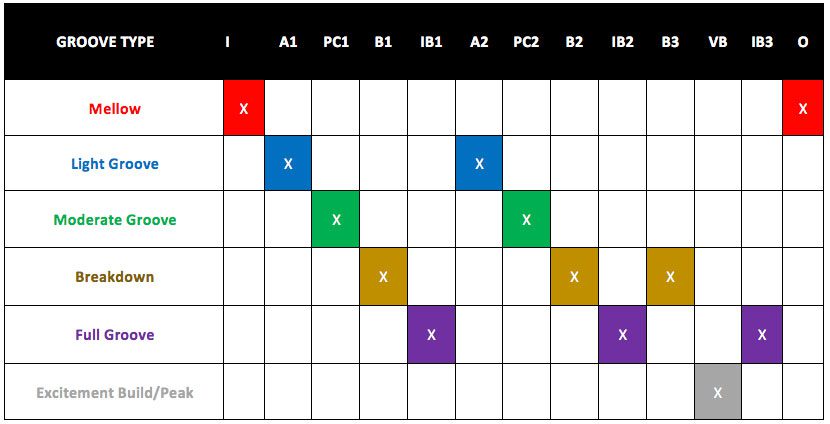
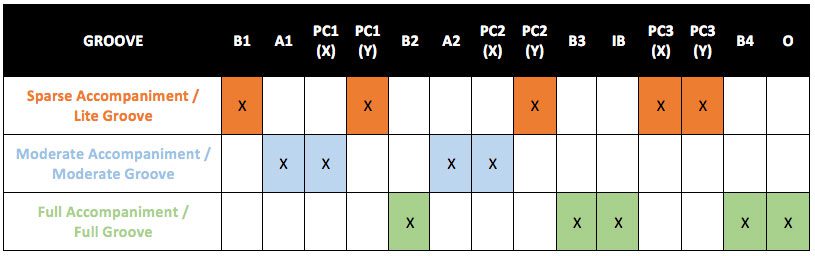
Grooves

Groove-chart-closer

Genres & Influences: Overview

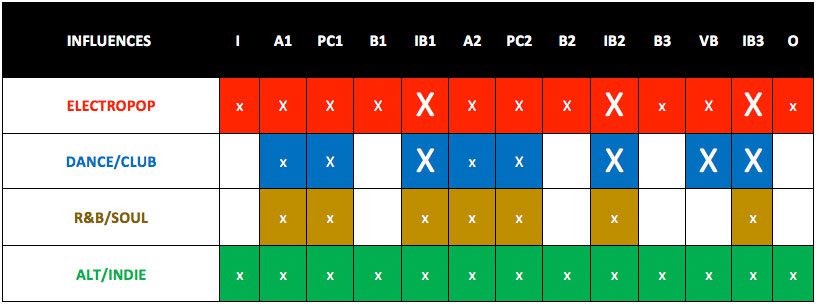
Closer is composed of four main influences – Alt/Indie, Dance/Club, Electropop and R&B/Soul. These influences are present in the characteristics of the vocals, backing music, or both, in specific sections and in varying degrees of prominence throughout the song.
influences-closer

Additionally, the song’s most recognizable element – its main hook, which is featured in some semblance in every section – is a direct lift of a hook featured in The Fray’s 2005 hit, Over My Head (Cable Car).

Lyrics & Title: Overview
Narrative

Closer is a love/relationship and hooking up-themed song about two exes who were involved in a relationship, broke up, and ran into one another after a four-year hiatus. Despite the issues that led to their breakup, the attraction between the two of them is still mutual, and culminates with them hooking up in the chorus.

The narrative is communicated in the past and present tense primarily from a first and second person P.O.V. It employs an effective blend of detail, imagery, place, time, action and emotion/state of mind lyrics and phrases, which heightens the overall impact of the storyline. Additionally, sectional P.O.V. shifts communicated by the protagonist (sung by Taggart) and antagonist (sung by Halsey) provide an additional degree of engagement value within the song. While specific details are utilized to communicate the narrative (e.g. Boulder, CO), the overall essence of the storyline is universal, and thus easily connects with a wide audience.

Song Title

Closer appears only three times in the entire song. It’s featured as the last lyric in the first line/phrase of each chorus section: “so baby pull me closer.”

Vocals: Overview
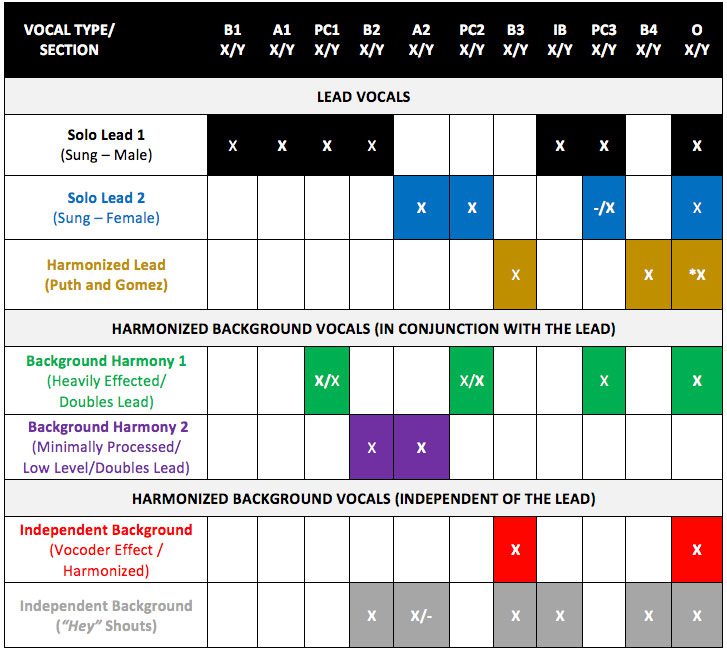
Characteristics/Processing

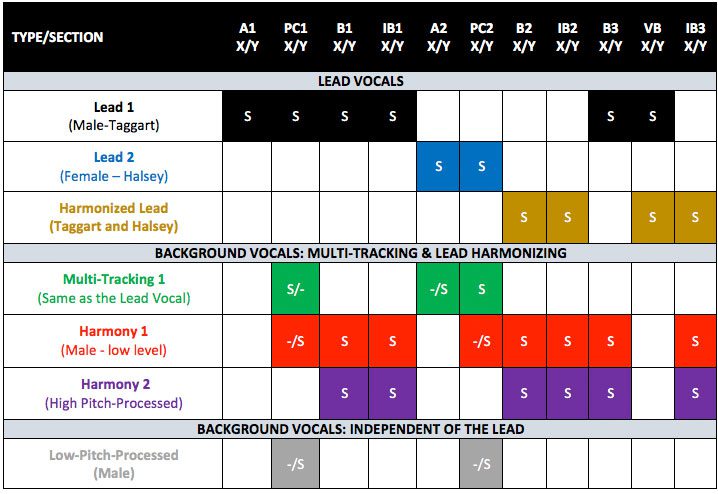
Closer features a host of different vocal characteristics throughout the song. Among them are solo male (Taggart), solo female (Halsey), harmonized lead, multi-tracking, and an assortment of effects including pitch-processing, reverb and delay. The manner in which these disparate characteristics interact throughout the song takes Closer’s overall impact to a heightened level.

Key
S: Sung
-/-: First Stanza/Second Stanza
vocal-chart-closer

Melody

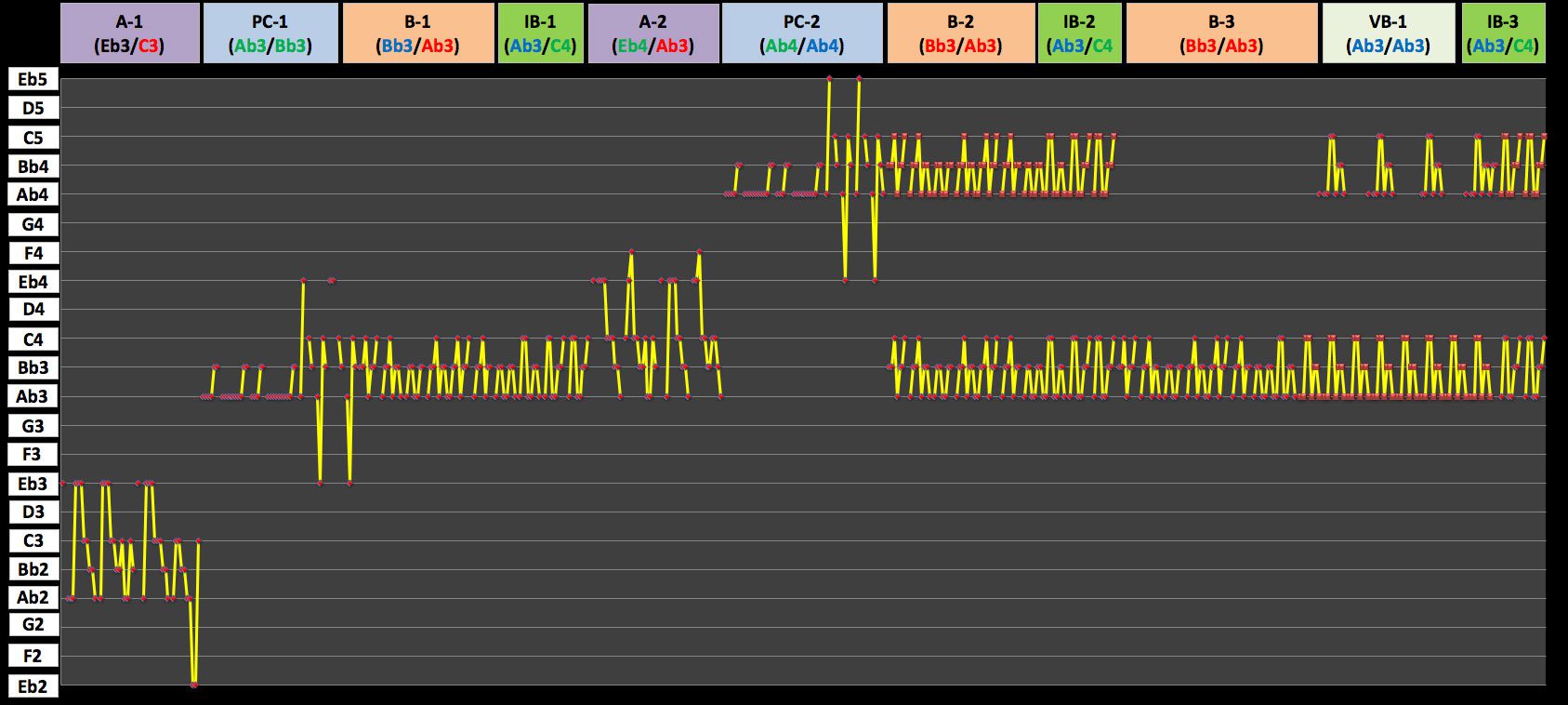
The vocal melody in Closer spans Eb2 to Eb5.
main-vocal-melody-closer

With the exception of the verse and pre-chorus sections, which span six to eight pitches, all of the other sections span just three pitches – Ab, Bb and C (note that Halsey’s parts are an octave above Taggart). This, in conjunction with the copious amount of repetition, gets the vocal melody firmly ingrained in the listener’s head. However, effective melodic and vocal characteristic contrast is employed throughout the song, which helps to keep the melodies fresh and engaging despite their repetitive characteristics.

What follows is a breakdown of the melodic structure for each section in the song. Each part letter in its respective section represents a particular motive. These motives possess either the same, or a very similar melodic structure.

Key

(/): Divides each line in the section
Note: The part letters in each section pertain only to the section at hand (e.g. part A in the verse is not related to part A in the pre-chorus)).

  • Verse 1: A/A/A/B
  • Verse 2: A/A/A/A
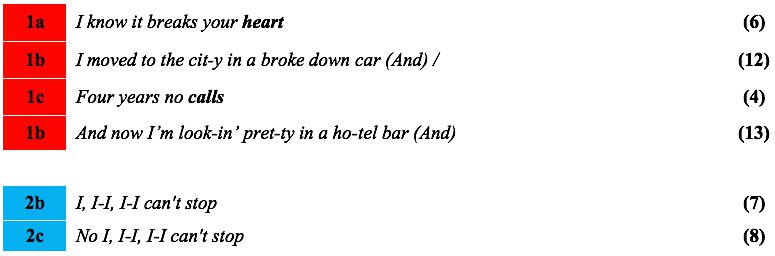
  • Pre-Chorus 1: A/A/A/A/B/B
  • Pre-Chorus 2: A/A/A/A/B/B
  • Chorus: A/A/A/A/A/A/A/A
  • Instrumental Break: A/A
  • Vocal Break: A/A/A/A/A/A/A/A
Rhyme Schemes: Overview

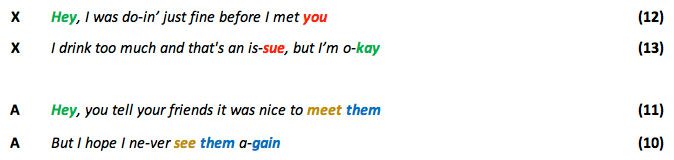
Closer features a highly effective combination of in-line, cross-line, and cross-stanza rhyme schemes, as well as repetitive lyrics – especially in the instrumental break and vocal break post choruses (i.e. “we ain’t ever gettin’ older”). Together, they do a great job of bolstering the song’s memorability factor and engagement value.

  • Verse 1: XXAA
  • Verse 2: XAXA
  • Pre-Chorus: ABABCC
  • Chorus: AAXAAXAA
  • Instrumental Break: AA
  • Vocal Break: AAAAAAAA
Instrumentation & Arrangement: Overview
Instrumentation

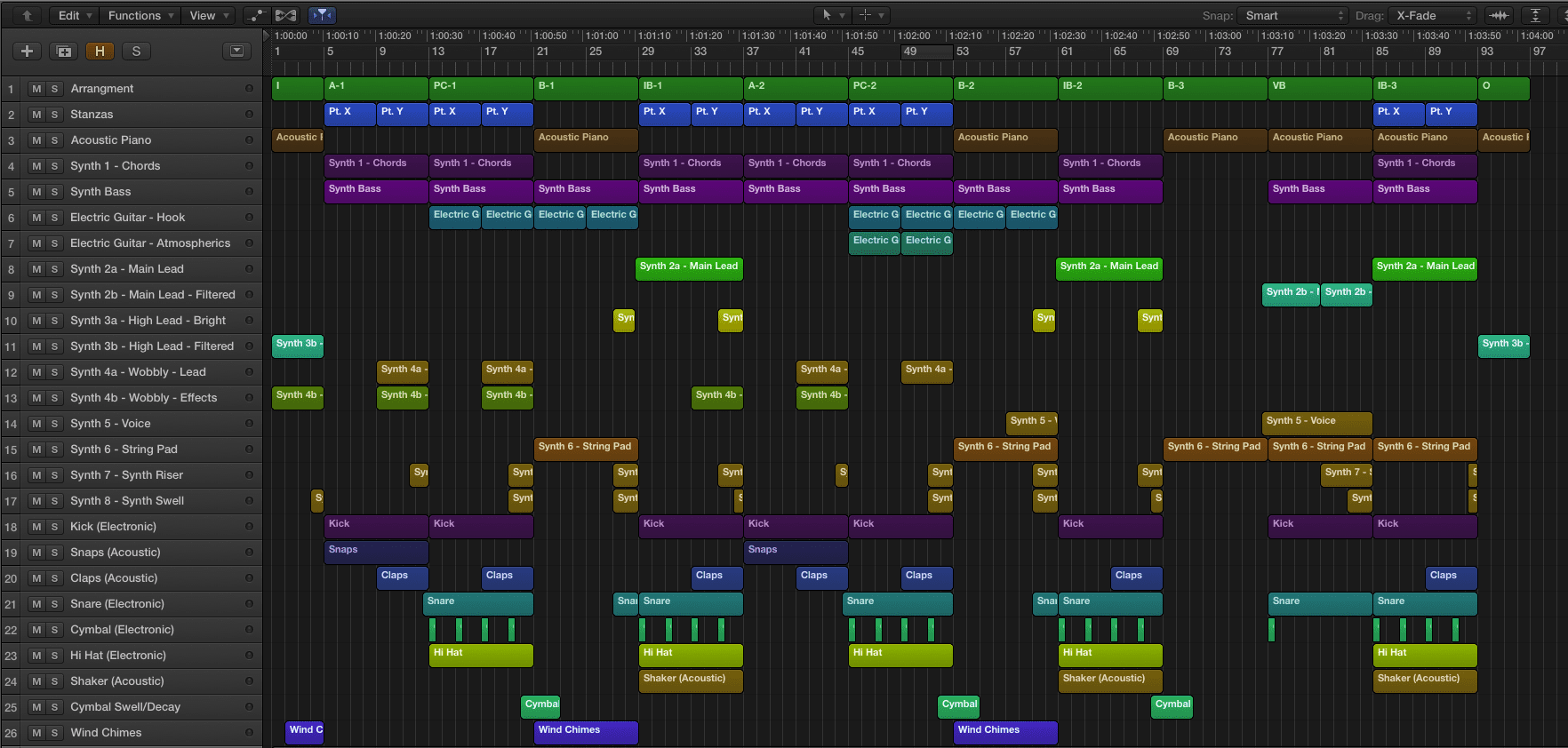
Closer features five primary instrument types in the mix that shape its sound and vibe –bass, drums/percussion, guitar, piano and synths.

Bass: A deep synth sub bass with a moderate attack (relative to the kick).

Drums/Percussion: An assortment of drums and percussion elements are featured throughout the song. They include:

  • Crash Cymbal (Electronic)
  • Claps (Acoustic)
  • Hi Hat (Electronic)
  • Kick (Electronic)
  • Shaker (Acoustic)
  • Snaps (Acoustic)
  • Snare (Electronic)
  • Wind Chimes (Acoustic)

Guitar: Electric Guitar appears in two forms throughout Closer – as a melodic element delivering the main hook, and as a supplemental element playing a repeated four-note atmospheric melody.

Piano: Warm, acoustic piano.

Synths: A plethora of synths are used throughout Closer. They include staccato synth chords, various leads (abrasive, wobbly, low-pass filtered, bright and more), synth string pads, synth voice, risers and swells.
Closer-Arrangment

Harmony: Overview

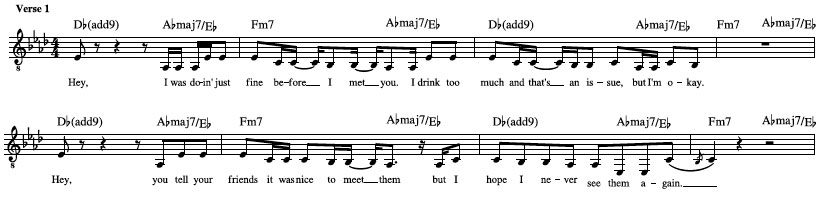
Closer employs two closely related chord progressions:

Progression 1: Verse, Pre-Chorus, Instrumental Break

Harmonic-1

Progression 2: Intro, Outro, Chorus, Vocal Break
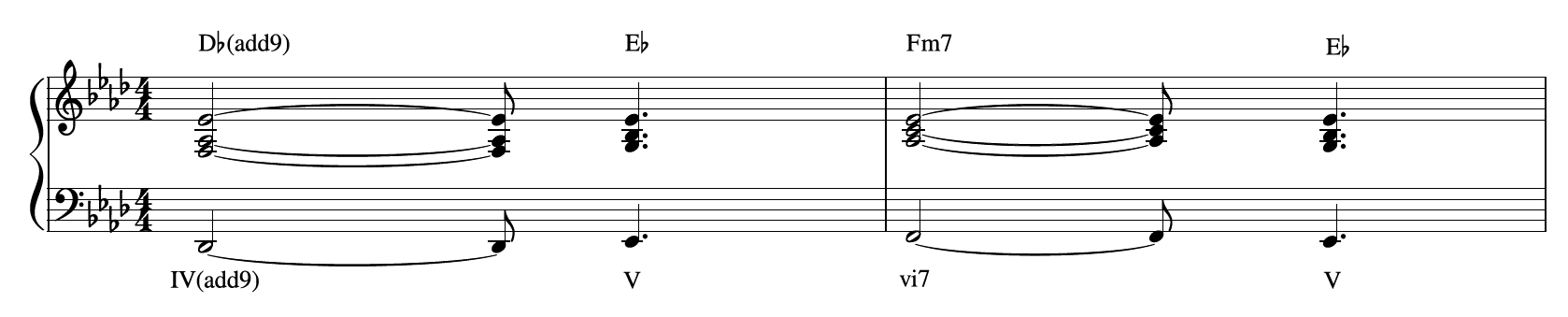
Harmonic-2

Both chord progressions employ tones beyond triadic harmony, the Db(add9), a Db Major Triad (Db-F-Ab) with a major ninth on top (Eb). The primary chord progression also employs minor seventh chords, the AbMaj/Eb. The effect of these extended harmonies imparts a subtle Jazz/R&B/Soul vibe, and provides more engaging harmony than simple triads.

Reference the Harmonic Progressions section of the report for additional details.

Song Structure
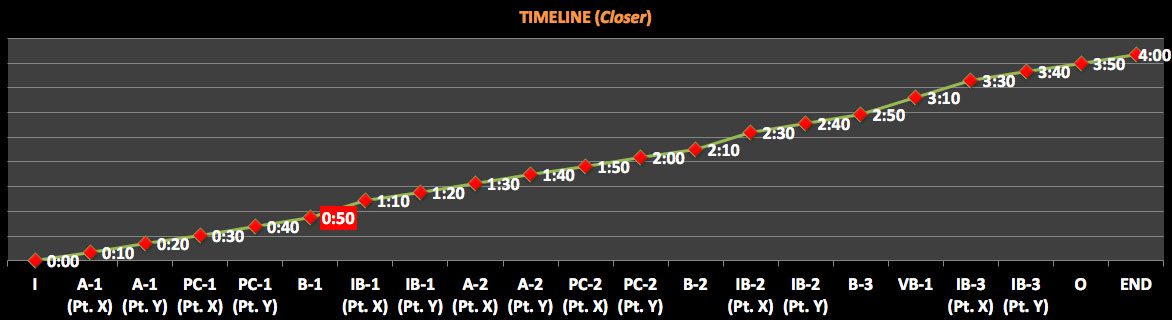

Timeline

Timeline-Closer

Sections

Closer contains 13 sections in its framework:

  • One intro
  • Two verse sections
  • Two pre-chorus sections
  • Three chorus sections
  • Three instrumental break sections
  • One vocal break section
  • One outro

What it DOESN’T contain is a bridge or  turnaround.

Form

The aforementioned sections are arranged into the following form:

I / A – PC – B – IB / A – PC – B – IB / B – VB – IB – O

Closer kicks off with the intro, and is directly followed by a 2x repeat of a verse – pre-chorus – chorus – instrumental break sectional progression. Following the second instrumental break, a differentiated sectional progression consisting of chorus – vocal break – instrumental break – outro ensues, followed by the song coming to its conclusion.

The 2x repetition of the A – PC – B – IB progression creates sectional flow familiarity within the scope of the song, while the B – VB – IB – O changeup accentuates engagement due to the shift it provides.

Section Classifications
Post Choruses

I / A – PC – B – IB / A – PC – B – IB / B – VBIB – O

Instrumental Break Post Chorus

The instrumental break sections that directly follow choruses 1 and 2 function as post choruses due to the infectious instrumental hooks that they feature at their core. The third instrumental break section can technically be classified as a post chorus as well considering that it directly follows the vocal break post chorus (see below).

Vocal Break Post Chorus

The vocal break that directly follows the third chorus functions as a post chorus due to the infectious vocal hook that it features at its core (i.e. the repetition of the “we ain’t ever getting older” phrase from the chorus).

Bridge Surrogates / D Sections

I / A – PC – B – IB / A – PC – B – IB / BVB – IB – O

Considering that Closer doesn’t contain a bridge in its framework, there are two sections within the song that provide a pronounced departure compared to the other sections where one would typically expect to find a bridge (around two-thirds of the way in). These two “D” (departure) sections are:

Chorus 3: It possesses a changeup in the accompaniment and a more subdued characteristic compared to the other chorus sections.

Vocal Break: Directly following chorus 3, this is the only point in the song that features the constant repetition of the “we ain’t ever getting older” hook. It also features unique accompaniment in the scope of the song.
Section Length


Time

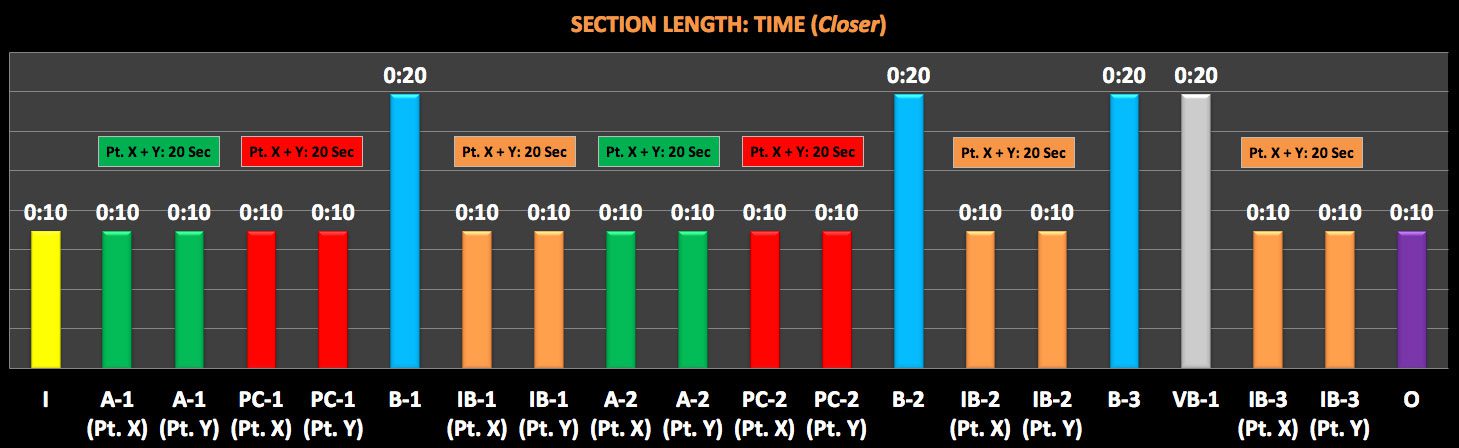
Section-Length-Time-Closer

Bars

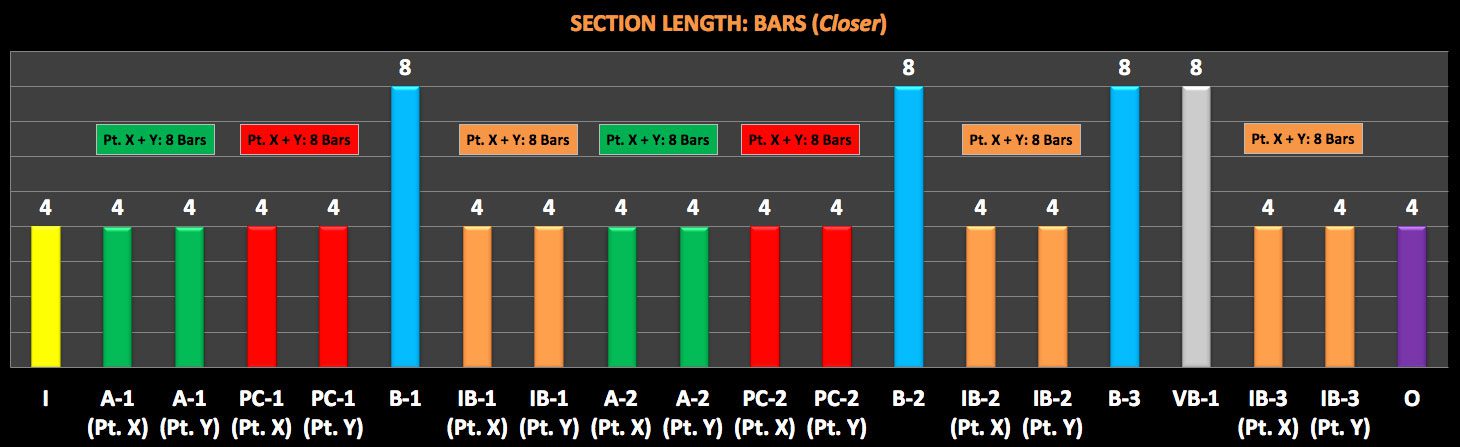
Section-Length-Bars-Closer

Each full section within Closer except for two are 20 seconds / 8 bars in length. The exceptions are the intro and outro, both of which land at 10 seconds / 4 bars.

Engagement Accentuation

With the exception of the chorus and vocal break, each full 20 second / 8 bar section is broken into two shorter 10 second / 4 bar segments, each of which possesses a differentiated characteristic compared to one another (some subtle and some more pronounced). As a result, new elements enter the mix frequently throughout the song, which accentuates the overall engagement factor (i.e. the listener never gets bored with cookie-cutter repetition).
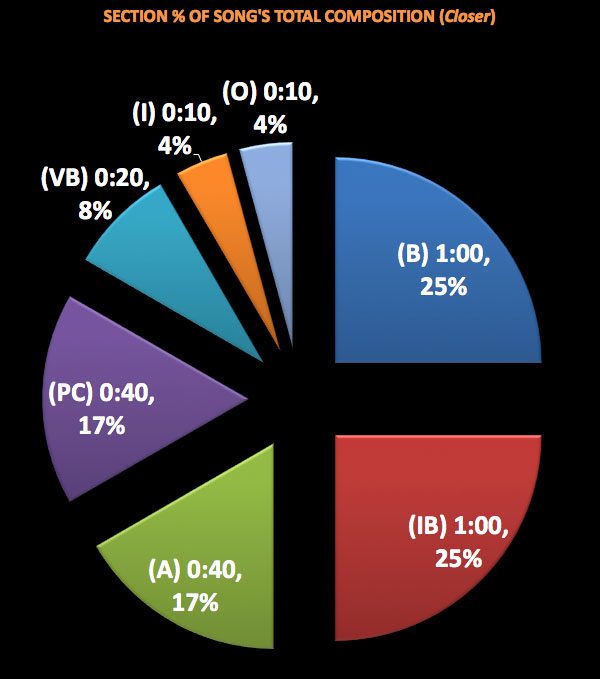
Total Section Breakdown
Total-Composition-Closer

The majority of time within Closer is allocated to its two primary “hook centers” – the chorus and instrumental break post choruses. Both account for 25% of the song’s total composition. The verse and pre-chorus follow at 17%, each. The vocal break post chorus accounts for 8%, and the intro and outro account for the least at just 4%, each.


MTI (Momentum/Tension/Intensity)/Energy


mti-closer

This section of the report focuses on the MTI/Energy (momentum, tension, intensity) and sonic levels in each section of the song.

Closer progresses through three MTI/Energy level “waves.” Each wave begins with a relatively low energy level and progresses to an energy level peak. Each wave concludes with an energy level peak except for the last (wave 3), which brings the energy level back down in the outro.

  • Wave 1: Intro – Instrumental Break 1
  • Wave 2: Verse 2 – Instrumental Break 2
  • Wave 3: Chorus 3 – Outro
Grooves

Groove-chart-closer

Key Points
Non-Chorus Energy Peak or Tension Release

In contrast to many Pop songs that have the chorus providing an energy level peak and tension release following a build, Closer’s energy level takes a dive in the chorus due to its breakdown/sparse accompaniment characteristic, with the tension still accruing. The energy level peak and tension release is delayed, and transpires in the instrumental break section that directly follows the chorus. The tension build chorus is a characteristic more often found in EDM-influenced hits, such as I Took A Pill In Ibiza (Seeb Remix), and The Chainsmokers’ previous hit, Don’t Let Me Down.

Energy Level Extremes

mti-energy-illustration-closer

Notice that the two sections that possess the highest MTI/Energy levels in the song – the back-to-back vocal break and instrumental break 3 – are bookended by sections that possess the lowest/close to the lowest MTI/Energy levels – chorus 3 and the outro. The combination of extremes functions to both accentuate the power of the vocal break and instrumental break, while at the same time accentuating engagement value via the stringent dynamic contrast imparted.

Wave 1: Intro (I) – Instrumental Break 1 (IB-1)
Intro (I)

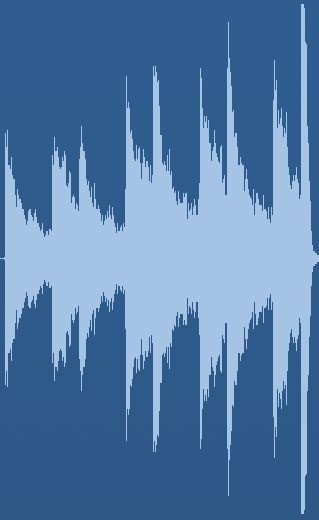
Closer begins with a relatively low MTI/Energy level in the intro due to its sparse arrangement, consisting of acoustic piano, synths and effects. The subtly of the section is accentuated by the low-pass filtering that is prominent on the piano and synth at the onset, and gradually opens as the section progresses.
intro-waveform-closer

Verse 1 (A-1)

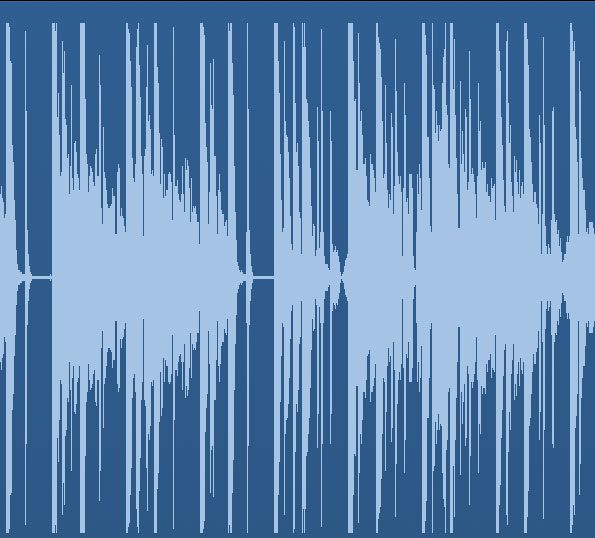
The momentum and intensity levels increase in the first half/part X of the first verse due to the addition of the synth block chords, snaps, synth bass, kick, and Taggart’s vocals. The momentum and intensity is further kicked up a notch in the second half of the section, part Y, due to the addition of the syncopated claps and wobbly synth (main hook and effects).
verse-1-waveform-closer

Pre-Chorus 1 (PC-1)

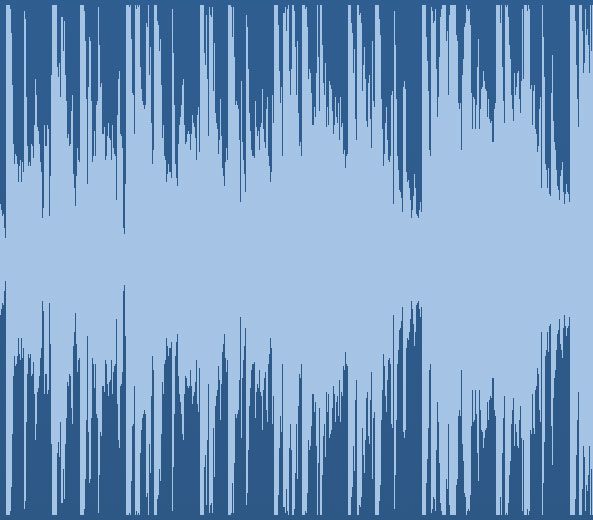
The momentum and intensity levels are further kicked up in the first half/part X of the pre-chorus due to the addition of new rhythmic elements including electronic snare, hi hats, and crash cymbal. The changeup in Taggart’s lead vocal is a factor as well – in particular his faster delivery and higher register. Note that these factors coupled with the development in the narrative also provide an increase in tension/anticipation as the song heads toward the chorus and instrumental break.

In the second half/part Y of the section the level is further increased due to the reintroduction of the wobbly synth and syncopated claps from the second half/part Y of the preceding verse.
pre-chorus-1-waveform-closer

Chorus 1 (B-1)

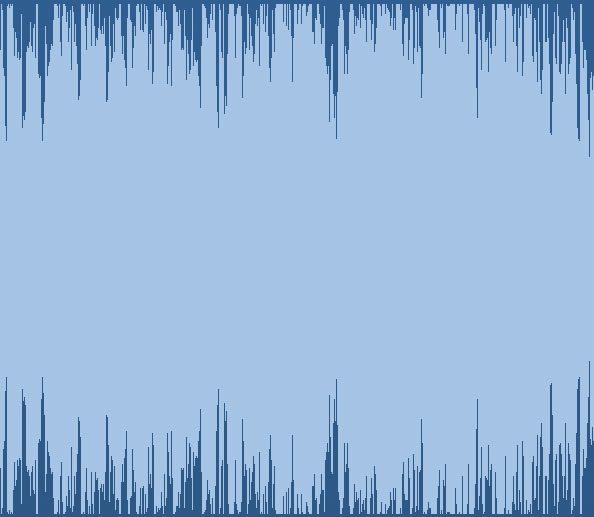
Following two consecutive sections where the MTI/Energy level has increased, the level drops off in the first chorus. This is due to the section heading into partial breakdown/sparse mode, characterized by the warm acoustic piano, wind chimes, and synth string pad. However, the low-level electric guitar and lead vocal keep the momentum moving along as they both deliver the song’s primary hook. Note that the mostly flowing, repetitive nature of the vocals and guitar also provides an increase in tension and anticipation as the song heads toward the ensuing instrumental break.

The intensity level is ramped up a notch in the last two bars of the section as the bright lead synth and 808 drum fill enter the mix.
chorus-1-waveform-closer

Instrumental Break 1 (IB-1)

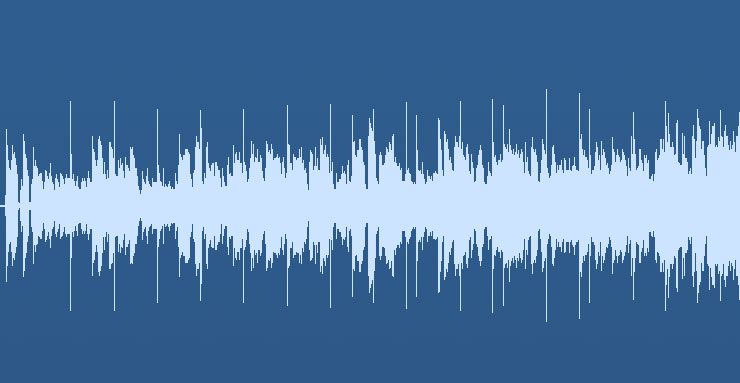
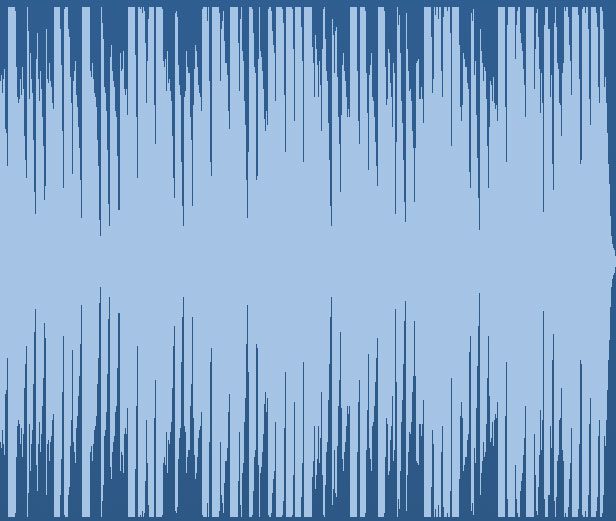
Following the MTI/Energy level lull in the preceding chorus, the level is thrust up to its first apex in the instrumental break. This is primarily due to the incorporation of many of the elements that were featured in the pre-chorus, coupled with the addition of the upfront, piercing, abrasive lead synth and prominent shaker.
instrumental-break-1-waveform-closer

Wave 2: Verse 2 (A-2) – Instrumental Break 2 (IB-2)
Verse 2 (A-2)

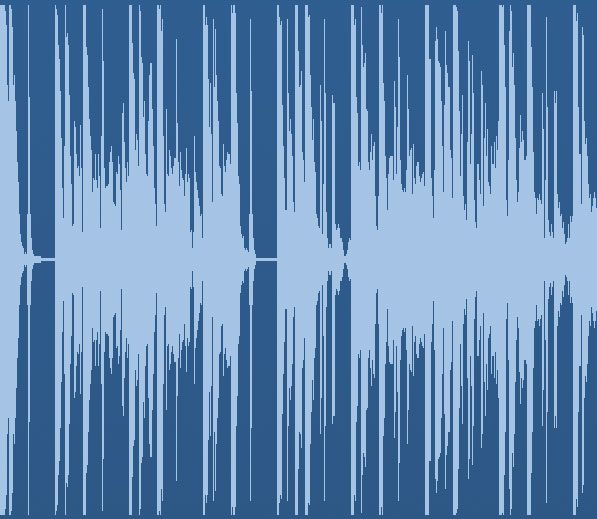
The MTI/Energy level is brought back down in the second verse as the song reverts back to the minimal, sparse and spacious accompaniment characteristics of the first verse. Note that the overall energy level is on par with the first verse, despite the changeup in vocal duty (i.e. Halsey as opposed to Taggart).
verse-2-waveform-closer

Pre-Chorus 2 (PC-2)

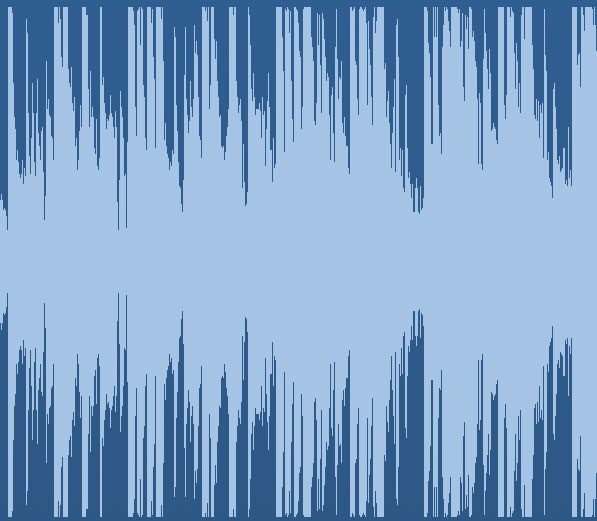
The MTI/Energy level is kicked up in the second pre-chorus due to the inclusion of the core accompaniment elements from the first pre-chorus coupled with Halsey’s lead vocal as opposed to Taggart’s. While the vocal melody remains very similar to the first pre-chorus, the higher register of her voice coupled with the passionate delivery provides the second pre-chorus with a slightly more intense vibe compared to the first.
pre-chorus-2-waveform-closer

Chorus 2 (B-2)

The MTI/Energy level is brought back down in the second chorus, just as it was in the first chorus. However, the addition of Halsey’s lead in addition to Taggart coupled with the more rich and complex timbre of the synth pad provides the section with a subtly higher level of intensity compared to the first chorus.
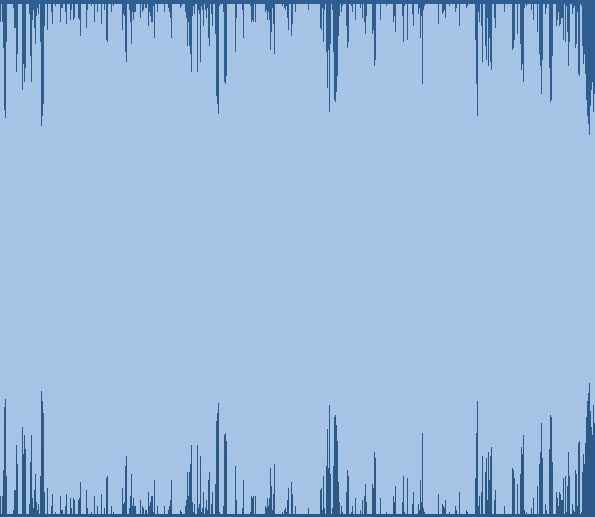
chorus-2-waveform-closer

Instrumental Break 2 (IB-2)

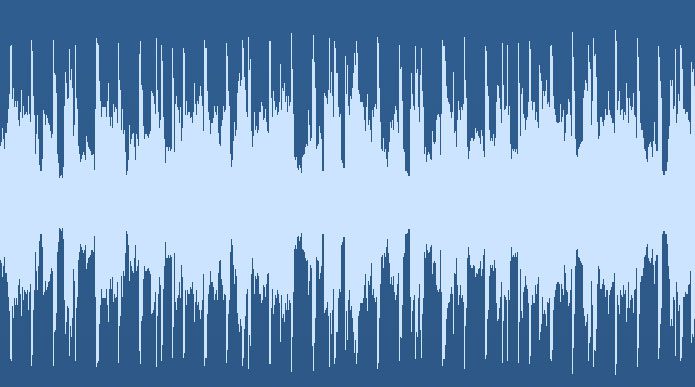
The MTI/Energy level is thrust up to a peak once again in the second instrumental break. Note that the level is essentially on par with that of the first instrumental break section in the song.
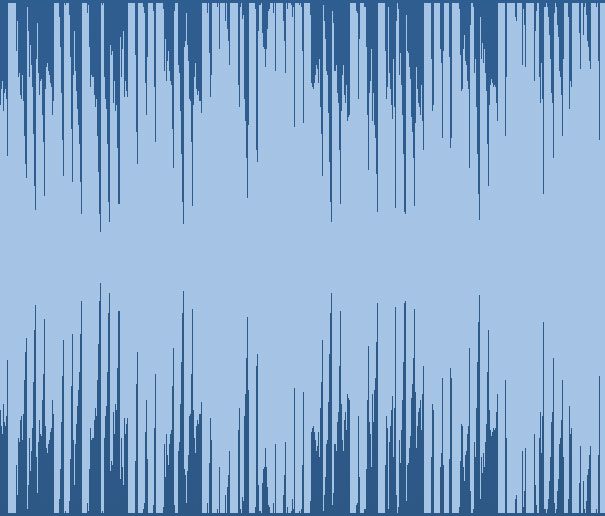
instrumental-break-2-waveform-closer

Wave 3: Chorus 3 (B-3) – Outro (O)
Chorus 3 (B-3)

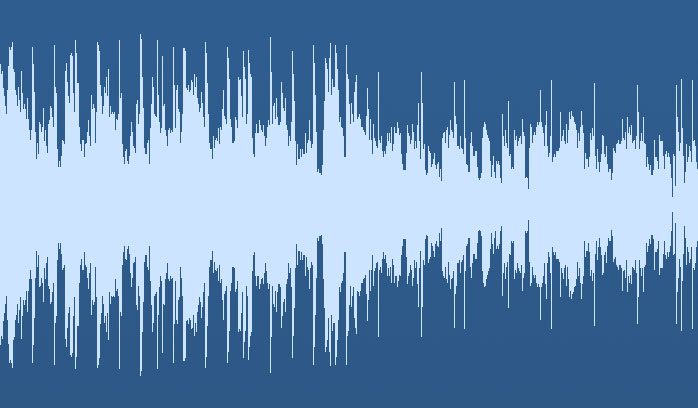
Following the peak in the preceding instrumental break, the MTI/Energy level is brought way back down once again in the third chorus. Note that this is the lowest level of all three choruses due to it possessing the sparsest overall arrangement – instrumentally and vocally.
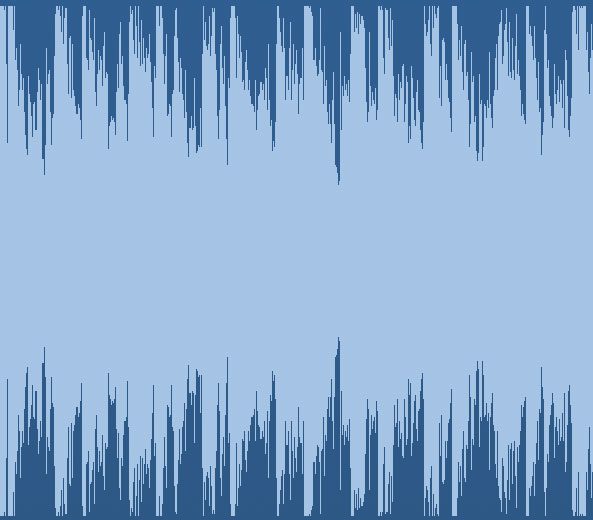
chorus-3-waveform-closer

Vocal Break 1 (VB-1)

Following the MTI/Energy level lull in the third chorus, the level begins to build to a grand peak in the vocal break section. This is due in part to the repetition of the “(no) we ain’t ever gettin’ older” vocals coupled with the pounding, driving, intense accompaniment. Note that the tension and anticipation builds and reaches a climax at the end of the section, releasing into the instrumental break that follows.
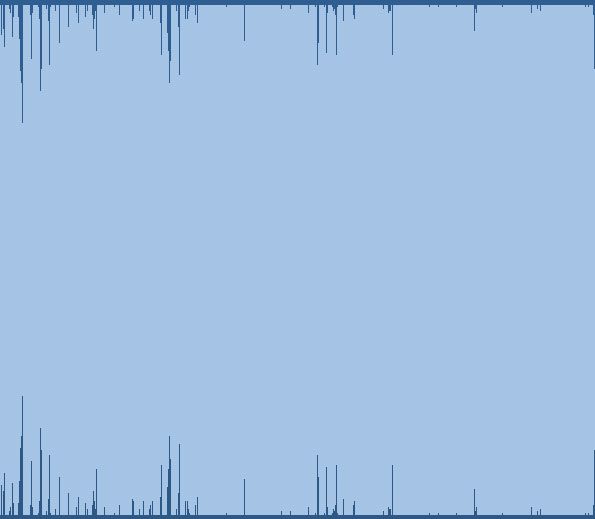
vocal-break-1-waveform-closer

Instrumental Break 3 (IB-3)

The MTI/Energy level peak that was reached in the preceding vocal break remains relatively constant in the last instrumental break section. The level is higher than its instrumental break 1 and 2 counterparts due to a combination of the additional synth in the mix (i.e. the synth pad), and Halsey’s more impassioned vocal delivery.
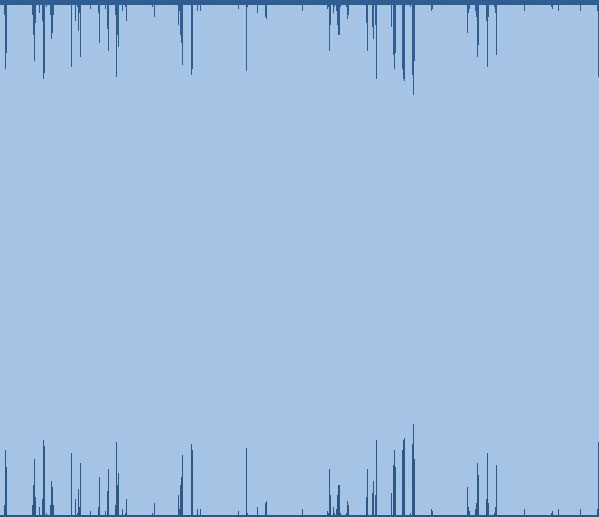
instrumental-break-3-waveform-closer

Outro (O)

The outro, which is essentially a reversion back to the characteristics of the intro, brings the MTI/energy level of the song back down to its lowest point (a level shared with the intro). As a result, the listener is put gently back down on the ground at the conclusion of the song following the two back-to-back sections of sustained intensity.
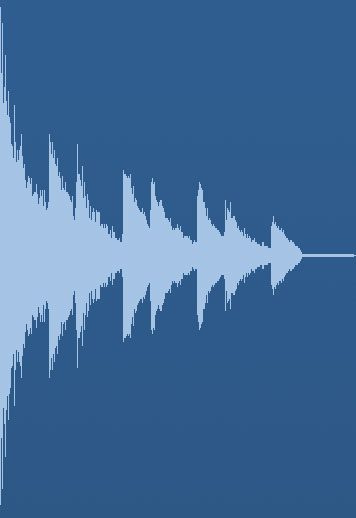
outro-waveform-closer

Genres, Sub-Genres, & Vibes


Many of today’s hits feature a fusion of different genres, sub-genres and influences that helps to achieve the following:

  • Provide the song with a unique nature that enables it to stand out from its mainstream contemporaries via interesting and at times unconventional pairings.
  • Increase the fan base and sales potential of the artist and song by traversing multiple genres.
Influences

Closer is composed of four main influences, which are heard in varying levels of prominence throughout the song:

  • Alt/Indie
  • Dance/Club
  • Electropop
  • R&B/Soul

Key

Small x: Minimal influence
Medium X: Pronounced influence
Big X: Major influence

influences-closer

Alt/Indie

The song’s Alt/Indie influence is due to its non-typical mainstream Pop and EDM characteristics, in particular the characteristics of Taggart’s detached vocals. Additionally, Taggart’s quoted inspiration for the song stems from Alt/Indie bands including Blink-182, The Fray, and Taking Back Sunday.

Dance/Club

The majority of the song possesses a mid-tempo Dance groove. The main exceptions are the intro, chorus and outro sections, which don’t feature percussion in the mix. The Club element is most pronounced in the instrumental break sections due characteristics of the lead synth, as well as the intensity build that transpires in the vocal break section.

Electropop

Each section of the song possesses an Electropop influence due to the synths featured in the mix. The influence is most pronounced in the instrumental break sections due to the prominence of the lead synth.

R&B/Soul

The song possesses an underlying R&B/Soul vibe due to the employment of extended harmony (sevenths and ninths) primarily in the synth chord sections (verse, pre-chorus and instrumental break).

Additional Influences

In an interview with Genius, Taggart cites Blink-182 and Taking Back Sunday as key inspirations for the song – in particular I Miss You and Feeling This by Blink-182.

However, the song’s most recognizable element – its main hook, which is featured in some semblance in every section – is a direct lift of a hook featured in The Fray’s 2005 hit, Over My Head (Cable Car). Isaac Slade and Joe King of the Fray have since been given writing credit on Closer.

Primary Instrumentation


Closer features five primary instrument types in the mix that shape its sound and vibe –bass, drums/percussion, guitar, piano and synths.

Closer-Arrangment

Electric Guitar

Electric Guitar appears in two forms throughout Closer – as a melodic element delivering the main hook, and as a supplemental element playing a repeated four-note atmospheric melody.

Electric Guitar - Hook

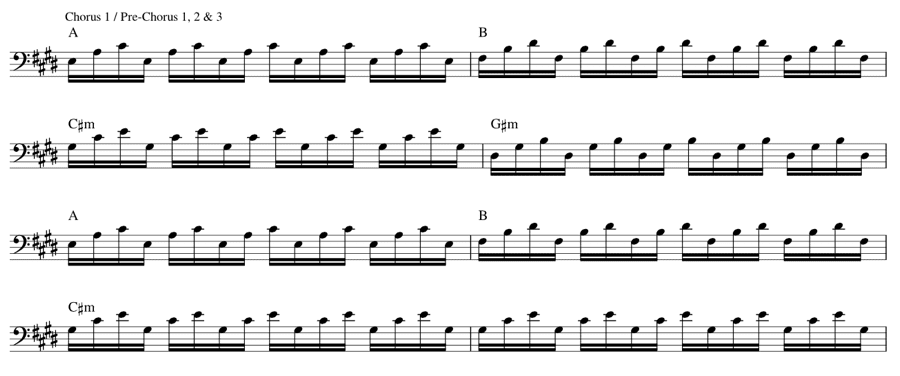
The main guitar part is relatively dry and appears in the following sections delivering and/or reinforcing the main hook:

  • Pre-Chorus 1 & 2
  • Chorus 1 & 2
Electric Guitar: Pre-Chorus

Guitar-PC

Electric Guitar: Chorus

Guitar-Chorus

Electric Guitar - Atmospheric

The atmospheric guitar part is heavily effected with reverb and delay and is featured in pre-chorus 2.

Bass

A deep synth sub bass with a moderate attack (relative to the kick) appears underneath the synth chord stabs in the following sections:

  • Verse 1 & 2
  • Pre-Chorus 1 & 2
  • Instrumental Break 1, 2

It appears as deep sustained notes that add weight and depth to the piano in:

  • Chorus 1 & 2
  • Vocal Break
  • Instrumental Break 3
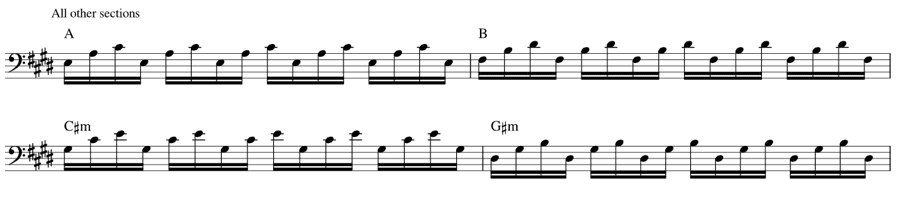
Bass: Staccato (Verse, Pre-Chorus, Instrumental Break)

Bass-staccato

Bass: Sustained (Choruses & Vocal Break)

Bass-sustained

Synths

A plethora of synths appear throughout Closer:

Synth 1 – Chords

Staccato synth chords are featured prominently throughout the song, appearing in the following sections:

  • Verse 1 & 2
  • Pre-Chorus 1 & 2
  • Instrumental Break 1, 2 & 3

They are low-pass filtered to varying degrees – darker in timber in the verses and pre-choruses, and brightest in the instrumental break. They have a soft attack, lacking a percussive quality but rather quickly swelling up with each strike.

Synth 1 - Chords

Synth-chords

Synth 2a – Main Lead

The main lead synth delivers the song’s primary hook front and center in all of the instrumental break sections. It possesses a bright, overdriven, abrasive, and somewhat nasal quality that easily cuts through the mix.
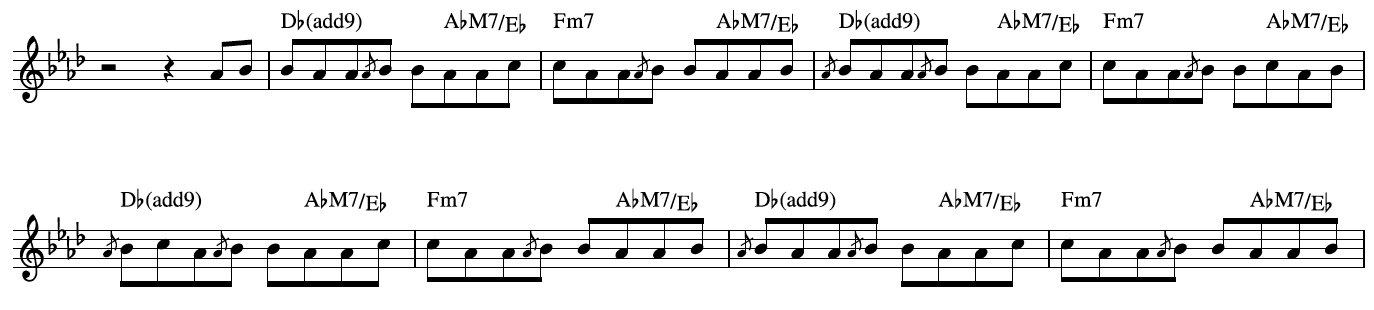
Synth 2a – Main Lead

Synth-main-lead

Synth 2b – Main Lead - Filtered

Here the main lead synth is low-pass filtered and used to deliver the song’s primary hook in the vocal break section. It gradually increases in prominence as the section progresses.

Synth 3a – High Lead - Bright

The high lead – bright synth (not heavily low-pass filtered) is featured at the end of choruses 1 and 2 and helps to set up instrumental breaks 1 & 2 that follow. It returns at the end of instrumental breaks 1 and 2 where it doubles the main lead synth at an octave higher. It has a pleasant, jovial tone, similar to that of a high woodwind.
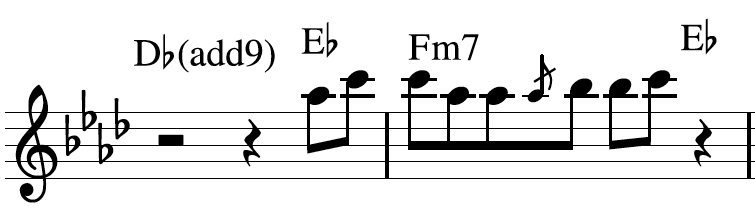
Synth 3a – High Lead - Bright

Synth-Hi-lead

Synth 3b – High Lead - Filtered

The high lead – filtered synth essentially bookends the song in the intro and outro. The use of the low-pass filter accentuates its woodwind characteristic.

Synth 4a – Wobbly - Lead

The wobbly synth possesses a tremolo type characteristic and delivers/reinforces the song’s primary instrumental hook in the following sections:

  • Verse 1 & 2
  • Pre-Chorus 1 & 2
  • Instrumental Break 1
Synth 4b – Wobbly - Effects

The wobbly synth adds color and texture via non-hook melodies and effects in the following sections:

  • Intro
  • Verse 1 & 2
  • Pre-Chorus 1
  • Outro
Synth 5 – Voice

A sampled synth voice plays upbeat eighth notes on Ab4 in the second chorus and vocal break. Its rhythm helps to add momentum to those sections.

Synth 6 – String Pad

The string pad is utilized in the following sections:

  • Choruses 1, 2 & 3
  • Vocal Break
  • Instrumental Break 3

In the first chorus it possesses a more organic, realistic timbre, whereas in the subsequent sections it becomes more ethereal and synth-sounding. It sounds a sustained Ab3 in each occurrence except for instrumental break 3 where it sounds Ab4.

Synth 7 – Synth Riser

Synth risers are utilized as transitional elements into the following sections:

  • Pre-Chorus 1 & 2
  • Verse 2
  • Choruses 1, 2 & 3
  • Instrumental Breaks 1, 2 & 3
  • Outro

With the exception of the transition into the third instrumental break, all of the synth risers are relatively low-pitched and subtle. Upon entering into the third instrumental break, however, the riser is higher in pitch and sounds sixteenth note triplets, which heightens excitement and anticipation at the transition point.

Synth 8 – Synth Swell

Synth swells are utilized as transitional elements into the following sections:

  • Verse 1 & 2
  • Choruses 1, 2 & 3
  • Instrumental Break 1, 2 & 3
Piano
Acoustic Piano

A warm acoustic piano is featured in the following sections:

  • Intro
  • Chorus 1, 2 & 3
  • Vocal Break
  • Instrumental Break 3
  • Outro

It is low-pass filtered in the intro, third chorus, vocal break and outro.

Piano

Piano

Drums/Percussion
Kick (Electronic)

A punchy electronic kick is utilized in the following sections:

  • Verse 1 & 2
  • Pre-Chorus 1 & 2
  • Instrumental Break 1, 2 & 3
  • Vocal Break
Snaps (Acoustic)

Acoustic snaps provide the back beat (2 & 4) in verse 1 and 2.

Claps (Acoustic)

Acoustic claps play a syncopated pattern in part Y of the following sections:

  • Verse 1 & 2
  • Pre-Chorus 1 & 2
  • Instrumental Break 1, 2 & 3
Snare (Electronic)

There are two snare drum sounds featured in Closer: a heavy back beat and a staccato 808 used for fills. The 808 can be heard at the end of choruses 1 and 2 and the vocal break. The main back beat snare, which possesses a timbre not unlike the snare used on Michael Jackson’s Black Or White, is used in the following sections:

  • Pre-Chorus 1 & 2
  • Instrumental Break 1, 2 & 3
  • Vocal Break (low-pass filtered)
Crash Cymbal (Electronic)

An electronic crash cymbal can be heard on the down beat of every other bar in the following sections:

  • Pre-Chorus 1 & 2
  • Instrumental Break 1, 2 & 3
  • Vocal Break (onset of the section)
Hi Hat (Electronic)

An electronic hi hat is utilized playing eighth notes in the following sections:

  • Pre-Chorus 1 & 2
  • Instrumental Break 1, 2 & 3
Shaker (Acoustic)

An acoustic shaker is utilized playing a sixteenth note-based pattern in instrumental breaks 1, 2 & 3.

Cymbal Swell/Decay

A cymbal swell is heard at the end of the following sections. In each case, its decay carries over for a few bars in to the subsequent section.

  • Pre-Chorus 1 & 2
  • Instrumental Break 2
Wind Chimes

Wind chimes are featured subtly in the mix, providing ethereal color and texture in the following sections:

  • Intro
  • Chorus 1 & 2
Drums/Perc: Verses Part X

Drums-verse-part-x

Drums/Perc: Verses Part Y

Drums/Perc: Pre-Chorus & Instrumental Breaks – Part X

Drums-pc-part-X

Drums/Perc: Pre-Chorus & Instrumental Breaks – Part Y

Drums-pc-part-Y

Drums/Perc: 808 Fill

Drums-808-fill

Music & Instrumentation: Section By Section


Intro (0:00 – 0:10)
Primary Instrumentation Featured In The Mix
  • Acoustic Piano: (Low-pass filtered, opens over the course of section – Level: Mid) Primary placement in the mix: 12:00.
  • Synth 3b – Hi Lead – Filtered: (Low-pass filtered – Level: Begins low in mix and fades up to mid-low) Primary placement in the mix: 12:00.
  • Synth 4b – Wobbly – Effects: (Background textural synth effects – Level: Mid) Primary placement in the mix: 12:00.
  • Synth 8 – Swell: (Subtle synth swell at transition point – Level: Low) Primary placement in the mix: 12:00.
  • Wind Chimes: (Ethereal – Level: Low) Primary placement in the mix: 12:00.
Chord Progression: Db(add9) – Eb – Fm7 – Eb (Ab: IVadd9 – V – vi7 - V)
Characteristics

Clocking in at 10 seconds / 4 bars, the intro is the shortest section in the song along with the outro. It consists of three core elements:

Acoustic Piano: The acoustic piano provides the section with a warm vibe, with melancholic and sensual undertones. This jibes with the overall connotation of the narrative (reference the Story Flow and Meaning section of the report for details).

Lead Synth: The hi-lead synth, which increases in level as the section progresses, introduces the listener to a repetitive fragment of the main hook that appears in some semblance in each section of the song.

intro-accompaniment-closer

Effects and Atmospherics: The low-level wind chimes and wobbly synth effects serve to provide the section with additional color and texture. The wind chimes in particular accentuate the warm vibe of the section in conjunction with the piano.

All three of the aforementioned elements begin with a low-pass filter effect and open up as the section progresses. This, along with the synth swell that enters toward the end of the section seamlessly transitions the listener into the verse that follows.

Transition Point (Intro into Verse 1): Turns on a dime.

Verse 1 (0:10 – 0:30)
Primary Instrumentation Featured In The Mix
Part X (0:10 – 0:20)
  • **Synth 1 – Chords: (Staccato chord stabs – Level: Mid) Primary placement in the mix: 12:00.
  • **Bass: (Staccato sub bass – Level: Mid-low) Primary placement in the mix: 12:00.
  • **Kick: (Punchy electronic kick, tight attack, works in tandem with the synth chords
    rhythmically – Level: Mid) Primary placement in the mix: 12:00.
  • **Snaps: (Acoustic snaps on beats 2 and 4 – Level: Mid) Primary placement in the mix: 12:00.
Part Y (0:20 – 0:30)

Everything in Part X with the following additions:

  • **Synth 4a – Wobbly – Lead: (Outlines the main hook – Level: Fades in throughout the section, peaks at end) Primary placement in the mix: 12:00.
  • Synth 4b – Wobbly – Effects: (Textural effects similar to the intro – Level: Low) Primary placement in the mix: 12:00.
  • **Synth 7 – Riser: (Subtle synth riser, low pitch – Level: Low) Primary placement in the mix: 12:00.
  • **Claps: (Syncopated acoustic claps – Level: Mid) Primary placement in the mix: 12:00.

**Indicates the first appearance of an instrument in the mix

Chord Progression: Db(add9) – AbM7/Eb – Fm7 – AbM7/Eb (Ab: IVadd9 – I6/5 – vi7 – I6/5)
Characteristics
Part X

The first half of the section, part X, features a sparse accompaniment, consisting of just four elements:

  • Synth staccato block chords
  • Synth bass
  • Snaps
  • Kick drum

The two key words that define this part of the verse are simplicity and space:
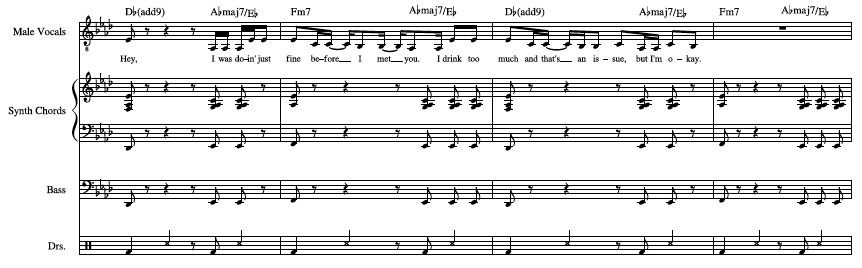
verse-1-x-accompaniment-closer

The interaction between these elements provides the section with a minimal, cool, hipster type vibe, with a touch of retro 1980s R&B/Soul due to the characteristics of the synth chords.

Part Y

The second half of the section, part Y, features the core characteristics of part X plus two new additions:

Claps: The addition of the syncopated acoustic claps provides the section with an additional degree of momentum. Their syncopated quality provides engaging contrast to the steady snaps that sound on beats 2 and 4.

Wobbly Synth: There are two wobbly synths featured in the mix. The most important is the wobbly lead, which delivers the song’s primary hook in its fully developed state (remember – it was first partially introduced in the intro). It enters at a relatively low level in the mix at the onset of part Y, and increases in prominence as the section progresses. The second are low-level wobbly synth effects, which provide the section with additional color and texture.

Together, the claps and wobbly synth provide engaging contrast compared to part X without overshadowing the core foundation of the section. Furthermore, and arguably most importantly, the main hook earworm is further reinforced in the listener’s head in an under-the-radar manner.
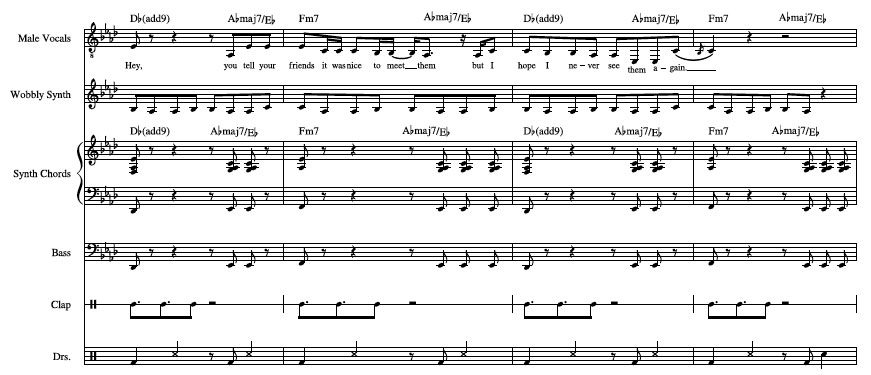
verse-1-y-accompaniment-closer

Transition Point (Verse 1 into Pre-Chorus 1): A synth riser effect enters the mix toward the end of the verse, followed by a crack of the newly introduced snare that ushers in the pre-chorus that follows.

Pre-Chorus 1 (0:30– 0:50)
Primary Instrumentation Featured In The Mix
Part X (0:30 – 0:40)
  • Synth 1 – Chords: (Staccato chord stabs – Level: Mid) Primary placement in the mix: 12:00.
  • Bass: (Staccato sub bass – Level: Mid-low) Primary placement in the mix: 12:00.
  • **Electric Guitar – Hooks: (Main hook, low-pass filtered, opens up toward the end of the section – Level: Low to Mid) Primary placement in the mix: 11:00.
  • Kick: (Punchy electronic kick, tight attack, works with the synth chords rhythmically – Level: Mid) Primary placement in the mix: 12:00.
  • **Snare: (Electronic snare with punchy attack – Level: Mid) Primary placement in the mix: 12:00.
  • **Crash Cymbal: (Sounds on downbeat every two bars – Level: Mid) Primary placement in the mix: 12:00.
  • **Hi Hat: (Eighth note pattern, emphasis on upbeats – Level: Mid) Primary placement in the mix: 12:00.
Part Y (0:40 – 0:50)

Everything in Part X with the following additions:

  • Synth 4a – Wobbly – Lead: (Outlines the main hook – Level: Fades in throughout the section, peaks at end; Low-mid) Primary placement in the mix: 12:00.
  • Synth 4b – Wobbly – Effects: (Textural effects similar to the intro – Level: Low) Primary placement in the mix: 12:00.
  • Claps: (Syncopated acoustic claps – Level: Mid) Primary placement in the mix: 12:00.
  • Synth 7 – Riser: (Subtle synth riser, low pitch – Level: Low Primary placement in the mix: 12:00.
  • *Synth 8 – Swell: (Subtle synth swell at transition point – Level: Low) Primary placement in the mix: 12:00.
  • **Cymbal Swell/Decay: (Bright cymbal swell with ample decay – Level: Mid) Primary placement in the mix: 12:00.

*Indicates a new or significantly changed up instrument in the mix compared to the preceding section
**Indicates the first appearance of an instrument in the mix

Chord Progression: Db(add9) – AbM7/Eb – Fm7 – AbM7/Eb (Ab: IVadd9 – I6/5 – vi7 – I6/5)
Characteristics
Part X

Carryover Elements

The first half of the section, part X, features the following elements that carry over from the preceding verse (note that the claps and snaps have been removed from the mix):

  • Synth staccato block chords
  • Synth bass
  • Kick drum

These familiar elements provide effective cross-section continuity of the song’s core accompaniment/rhythmic foundation from which the pre-chorus builds upon. The continuity helps to keep the listener locked in, while the new elements heighten the engagement value due to the contrast imparted.

New Elements

The following elements make their first appearance thus far in the song:

  • Electronic Snare
  • Hi Hats
  • Crash Cymbal
  • Electric Guitar

Rhythmic Contrast

The addition of the electronic snare (which takes the place of the snaps that sound on beats 2 and 4 in the first verse), hats and crash up the momentum and piercing bite of the pre-chorus compared to the preceding verse.

Main Hook Repetition & Contrast

The electric guitar takes the place of the wobbly synth in delivering the song’s primary hook, albeit in a slightly simplified manner. As a result, the hook is further reinforced in the listener’s head, while the changeup in its timbre keeps it fresh and engaging. Additionally, note that the hook functions in a relatively supportive manner as opposed to the upfront lead quality that it possesses later in the instrumental breaks sections.
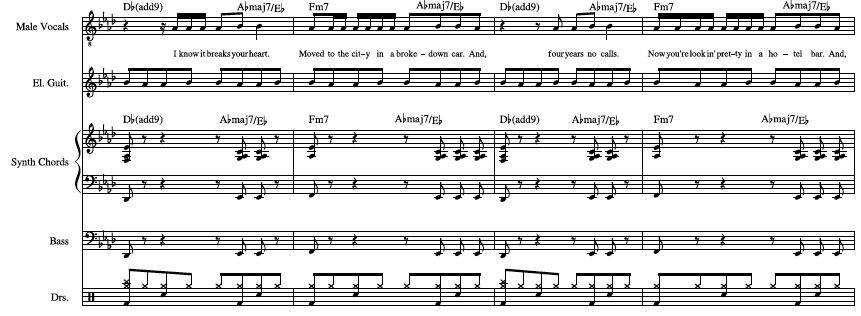
pre-chorus-1-x-accompaniment-closer

Part Y

New Elements

With the accompaniment from the first half/part X of the section remaining in effect, the following elements are added in the second half/part Y – both of which are recycled from the preceding verse:

  • Claps
  • Wobbly Synth

As they do in the second half/part Y of the verse, the syncopated claps provide the section with a heightened degree of momentum and texture, and the wobbly synth functions in both main hook and effect capacities.

Double Hook Punch

Note that at this point in the section both the wobbly synth and electric guitar are delivering the song’s primary hook simultaneously. As with the changeover from the wobbly synth to electric guitar (part Y verse to part X pre-chorus), the merging of the two in part Y of the pre-chorus keeps the hook fresh and engaging despite its repetitive characteristics.
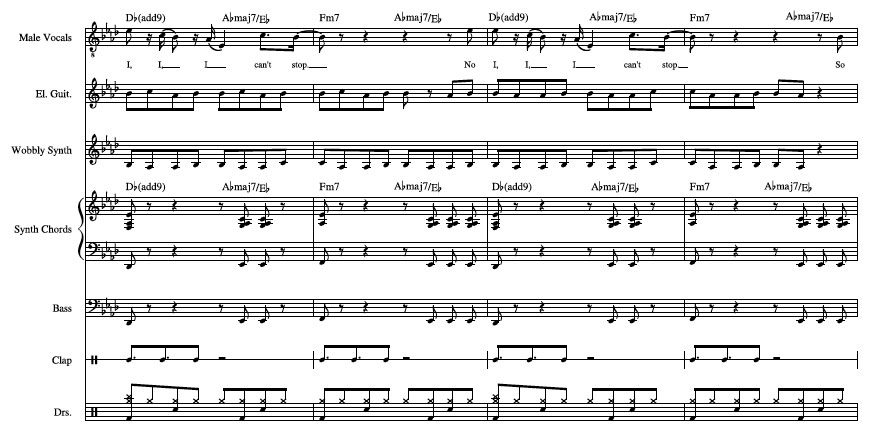
pre-chorus-1-y-accompaniment-closer

Transition Point (Pre-Chorus 1 into Chorus 1): Toward the end of the pre-chorus, synth swell and riser effects as well as a cymbal swell begin to transition the listener into the chorus that follows. The cymbal swell peaks at the transition point and decays into the chorus.

Chorus 1 (0:50 – 1:10)
Primary Instrumentation Featured In The Mix
  • *Acoustic Piano: (Not filtered, warm acoustic piano – Level: Mid) Primary placement in the mix: 12:00.
  • *Bass: (Legato sub bass, in conjunction with piano – Level: Mid) Primary placement in the mix: 12:00.
  • Electric Guitar – Hooks: (Main hook, low-pass filtered, opens up by the end of the section – Level: Low to Mid) Primary placement in the mix: 11:00.
  • **Synth 3a – High Lead – Bright: (Bright lead synth playing main hook, enters at end of section – Level: Mid) Primary placement in the mix: 1:00.
  • **Synth 6 – String Pad: (Legato synth string pad sounds Ab3 – Level: Mid) Primary placement in the mix: 12:00.
  • Synth 7 – Riser: (Subtle synth riser, low pitch – Level: Low Primary placement in the mix: 12:00.
  • Synth 8 – Swell: (Subtle synth swell at transition point – Level: Low Primary placement in the mix: 12:00.
  • Snare: (808 snare playing a drum fill – Level: Mid) Primary placement in the mix: 12:00.
  • *Wind Chimes: (Ethereal, mystical effect – Level: Low Primary placement in the mix: 12:00.

*Indicates a new or significantly changed up instrument in the mix compared to the preceding section
**Indicates the first appearance of an instrument in the mix

Chord Progression: Db(add9) – Eb – Fm7 – Eb (Ab: IVadd9 – V – vi7 - V)
Characteristics

Following the accompaniment build that transpires from the first verse through the first pre-chorus, the chorus does a 180 by heading into partial breakdown/sparse mode. As a result, the energy level of the song is brought down as opposed to thrusting the listener into a powerful chorus payoff. Delaying the payoff until after the chorus is popular with EDM influenced hits (of which Closer is a representative) as opposed to more straight-up Pop songs. EDM hits tend to favor the instrumental break providing the song’s primary payoff as opposed to the chorus.

Preceding Section Carryovers and Omissions

All of the accompaniment elements from the preceding pre-chorus save for one have been omitted from the mix in the chorus. The sole exception is the electric guitar, which continues to deliver the repetitive fragment of the song’s primary hook. Note that it doubles the lead vocal melody in the second stanza, which features the full “proper” hook, and accentuates the impact of the hook as a result.

New Instrumental Additions

Two key elements that were first introduced in the intro make a return appearance in the first chorus:

  • Acoustic piano
  • Wind chimes

Their addition, coupled with the legato synth string pad, provides the section with a warm, tender, romantic vibe that strongly jibes with and accentuates the hook up theme of the narrative. These elements, along with the electric guitar hook, are the primary accompaniment elements that remain in effect up until the last two bars of the section.

Bar 7 and 8 Changeups

In the last two bars of the section, two key accompaniment changeups occur:

  • The high lead bright synth enters the mix, doubling the vocal with an additional layer of the main hook.
  • An 808 snare delivers a drum fill.

Together, these two elements help to transition the listener from the warm, tender, romantic vibe that has defined the section up until this point into the full-on EDM instrumental break section that follows
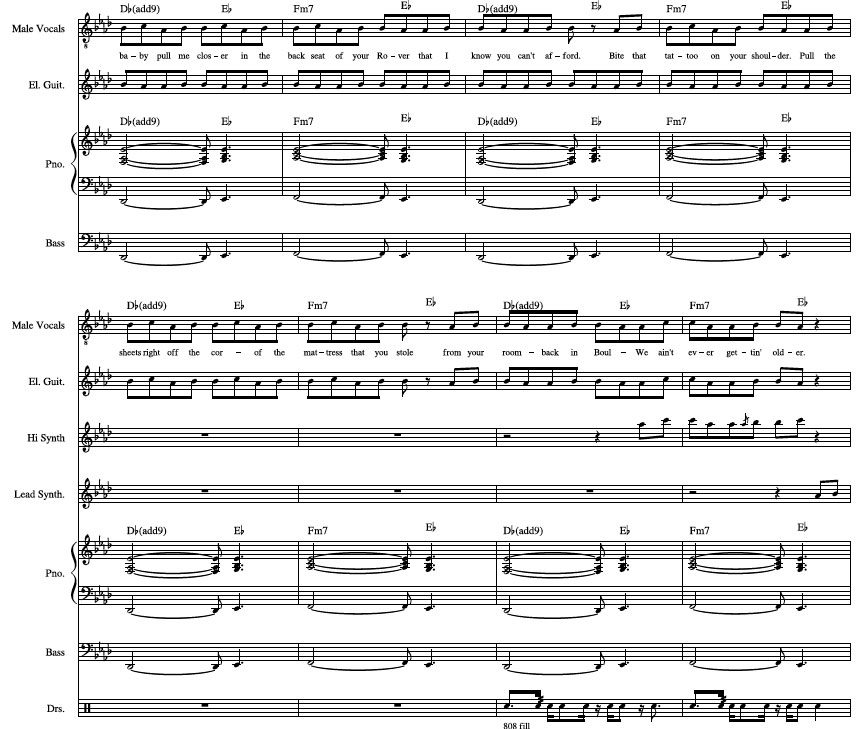
chorus-1-accompaniment-closer

Transition Point (Chorus 1 into Instrumental Break 1): A synth swell and riser effect enter the mix at the tail end of the chorus, coupled with a two-note pick up from the lead synth that defines the instrumental break that follows.

Instrumental Break 1 (1:10 – 1:30)
Primary Instrumentation Featured In The Mix
Part X (1:10 – 1:20)
  • *Synth 1 – Chords: (Staccato chord stabs – Level: Mid) Primary placement in the mix: 12:00.
  • *Bass: (Staccato sub bass – Level: Mid-low) Primary placement in the mix: 12:00.
  • **Synth 2a – Main Lead: (Raspy, full, plays main hook – Level: Mid) Primary placement in the mix: 1:00.
  • *Kick: (Punchy electronic kick, tight attack, works with the synth chords rhythmically – Level: Mid) Primary placement in the mix: 12:00.
  • *Snare: (Electronic snare with punchy attack – Level: Mid) Primary placement in the mix: 12:00.
  • *Crash Cymbal: (Sounds on downbeat every two bars – Level: Mid) Primary placement in the mix: 12:00.
  • *Hi Hat: (Eighth note pattern, emphasis on upbeats – Level: Mid) Primary placement in the mix: 12:00.
  • **Shaker: (Sixteenth note pattern – Level: Low-mid) Primary placement in the mix: 11:00.
Part Y (1:20 – 1:30)

Everything in Part X with the following addition:

  • Synth 3a – High Lead – Bright: (Bright lead synth doubling the main hook an octave higher, enters at end of section – Level: Mid) Primary placement in the mix: 1:00.
  • *Synth 4b – Wobbly – Effects: (Textural synth effects – Level: Low) Primary placement in the mix: 12:00.
  • Synth 7 – Riser: (Subtle synth riser, low pitch – Level: Low) Primary placement in the mix: 12:00.
  • Synth 8 – Swell: (Subtle synth swell at transition point – Level: Low) Primary placement in the mix: 12:00.
  • *Claps: (Syncopated acoustic claps – Level: Mid) Primary placement in the mix: 12:00.

*Indicates a new or significantly changed up instrument in the mix compared to the preceding section
**Indicates the first appearance of an instrument in the mix

Chord Progression: Db(add9) – AbM7/Eb – Fm7 – AbM7/Eb (Ab: IVadd9 – I6/5 – vi7 – I6/5)
Characteristics

The tension that had been accruing from the pre-chorus and chorus finally releases in the instrumental break. The section features a combination of recycled material from other sections in the song as well as new material.

Recycled Material

The staccato synth chord stabs, wobbly synth effects, synth bass, kick, snare, cymbals and syncopated claps (part Y) are all recycled from the pre-chorus. However, note that the timbre of the synth chord stabs not low-pass filtered and is more abrasive and piercing this time around. Additionally, the high bright lead synth which doubles the vocal in part Y of the chorus makes a return in the second half/part Y of the instrumental break – albeit secondary to the main lead synth (see below).

New Material

The song’s main hook, which was vocally front and center in the preceding chorus, is now instrumentally front and center in the instrumental break. Playing essentially the same pattern as the vocal, the synth that communicates the hook is abrasive, overdriven, bright, and somewhat nasal in timbre. As a result, it easily cuts through the mix and stands out. And as is the case in the other sections of the song, it’s changed up timbre keeps the hook fresh and engaging despite the in-section and cross-section repetitive characteristics.

The other new addition to the section is a shaker, which provides the section with a higher degree of momentum and intensity as well as color and texture.
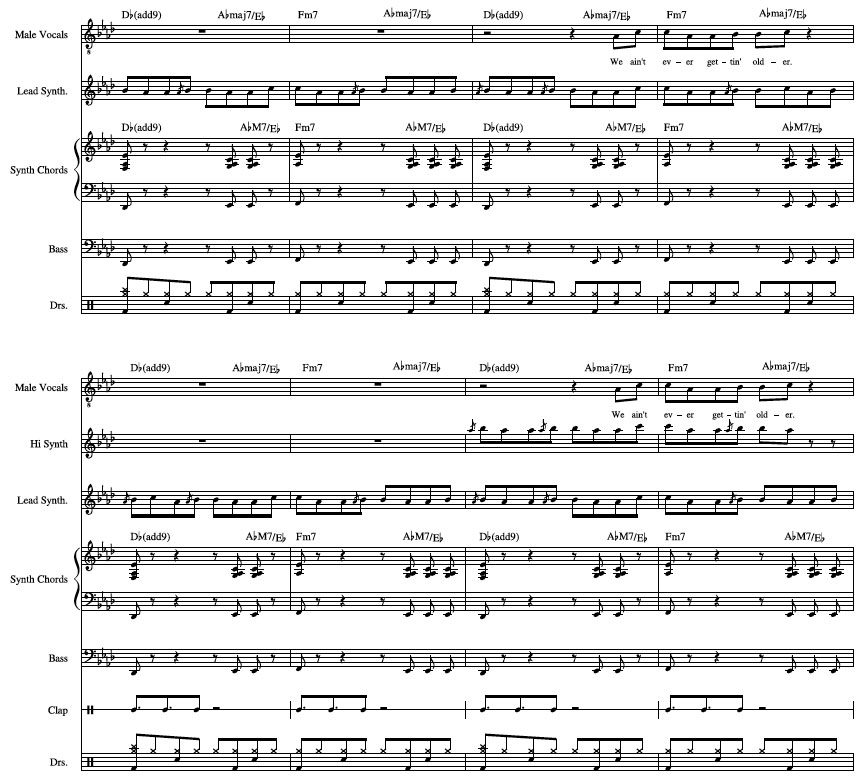
instrumental-break-1-accompaniment-closer

Transition Point (Instrumental Break 1 to Verse 2): A synth riser and swell effects enters the mix at the tail end of the chorus, cutting off abruptly at the onset of the second verse.

Verse 2 (1:30 – 1:50)
Primary Instrumentation Featured In The Mix
Part X (1:30 – 1:40)
  • Synth 1 – Chords: (Staccato chord stabs – Level: Mid) Primary placement in the mix: 12:00.
  • Bass: (Staccato sub bass – Level: Mid-low) Primary placement in the mix: 12:00.
  • Kick: (Punchy electronic kick, tight attack, works with the synth chords
    rhythmically – Level: Mid) Primary placement in the mix: 12:00.
  • *Snaps: (Acoustic snaps on beats 2 and 4 – Level: Mid) Primary placement in the mix: 12:00.
Part Y (1:40 – 1:50)

Everything in Part X with the following additions:

  • *Synth 4a – Wobbly – Lead: (Outlines the main hook – Level: Fades in throughout the section, peaks at end) Primary placement in the mix: 12:00.
  • Synth 4b – Wobbly – Effects: (Textural effects similar to the intro – Level: Low) Primary placement in the mix: 12:00.
  • Synth 7 – Riser: (Subtle synth riser, low pitch – Level: Low Primary placement in the mix: 12:00.
  • Claps: (Syncopated acoustic claps – Level: Mid) Primary placement in the mix: 12:00.

*Indicates a new or significantly changed up instrument in the mix compared to the preceding section
**Indicates the first appearance of an instrument in the mix

Chord Progression: Db(add9) – AbM7/Eb – Fm7 – AbM7/Eb (Ab: IVadd9 – I6/5 – vi7 – I6/5)
Characteristics

Following the full accompaniment of the preceding instrumental break, stringent cross-sectional contrast is imparted as the song reverts back to the minimal, sparse and spacious accompaniment characteristics of the first verse. Essentially, both verse sections feature the same accompaniment characteristics.

Transition Point (Verse 2 into Pre-Chorus 2): Essentially the same transition utilized between verse 1 and pre-chorus 1.

Pre-Chorus 2 (1:50–2:10)
Primary Instrumentation Featured In The Mix
Part X (1:50 – 2:00)
  • Synth 1 – Chords: (Staccato chord stabs – Level: Mid) Primary placement in the mix: 12:00.
  • Bass: (Staccato sub bass – Level: Mid-low) Primary placement in the mix: 12:00.
  • *Electric Guitar – Hooks: (Main hook, low-pass filtered, opens up by the end of the section – Level: Low to Mid) Primary placement in the mix: 11:00.
  • **Electric Guitar – Atmospheric: (Heavily effected with reverb and delay, repeats four-note melody – Level: Low to Mid) Primary placement in the mix: alternates 9:00 and 3:00.
  • Kick: (Punchy electronic kick, tight attack, works with the synth chords rhythmically – Level: Mid) Primary placement in the mix: 12:00.
  • *Snare: (Electronic snare with punchy attack – Level: Mid) Primary placement in the mix: 12:00.
  • *Crash Cymbal: (Sounds on downbeat every two bars – Level: Mid) Primary placement in the mix: 12:00.
  • *Hi Hat: (Eighth note pattern, emphasis on upbeats – Level: Mid) Primary placement in the mix: 12:00.
Part Y (2:00 – 2:10)

Everything in Part X with the following additions:

  • Synth 4a – Wobbly – Lead: (Outlines the main hook – Level: Fades in throughout the section, peaks at end) Primary placement in the mix: 12:00.
  • Synth 7 – Riser: (Subtle synth riser, low pitch – Level: Low) Primary placement in the mix: 12:00.
  • *Synth 8 – Swell: (Subtle synth swell at transition point – Level: Low) Primary placement in the mix: 12:00.
  • Claps: (Syncopated acoustic claps – Level: Mid) Primary placement in the mix: 12:00.
  • *Cymbal Swell/Decay: (Bright cymbal swell with ample decay – Level: Mid) Primary placement in the mix: 12:00.

*Indicates a new or significantly changed up instrument in the mix compared to the preceding section

Chord Progression: Db(add9) – AbM7/Eb – Fm7 – AbM7/Eb (Ab: IVadd9 – I6/5 – vi7 – I6/5)
Characteristics

The second pre-chorus features the same core accompaniment characteristics as the first pre-chorus. The primary difference is that a heavily effected, atmospheric guitar has been added into the mix. While it’s not playing the repetitive hook that the other guitar in the mix is playing, it plays sparse melodic fragments based on the main hook.

Essentially, it’s primary function is to provide the section with atmospherics and engaging “like” and cross-section contrast.

Transition Point (Pre-Chorus 2 into Chorus 2): Essentially the same transition utilized between pre-chorus 1 and chorus 1.

Chorus 2 (2:10 – 2:30)
Primary Instrumentation Featured In The Mix
  • *Acoustic Piano: (Not filtered, warm acoustic piano – Level: Mid) Primary placement in the mix: 12:00.
  • *Bass: (Legato sub bass, in conjunction with piano – Level: Mid) Primary placement in the mix: 12:00.
  • Electric Guitar – Hooks: (Main hook, low-pass filtered, opens up by the end of the section – Level: Low to Mid) Primary placement in the mix: 11:00.
  • *Synth 3a – High Lead – Bright: (Bright lead synth playing main hook, enters at end of section – Level: Mid) Primary placement in the mix: 1:00.
  • **Synth 5 – Voice: (Upbeat eighth notes, “eh” sounding vocal on Ab4 – Level: Mid) Primary placement in the mix: 12:00.
  • *Synth 6 – String Pad: (Legato synth string pad sounds Ab3, more complex timbre than first chorus – Level: Mid) Primary placement in the mix: 12:00.
  • Synth 7 – Riser: (Subtle synth riser, low pitch – Level: Low Primary placement in the mix: 12:00.
  • Synth 8 – Swell: (Subtle synth swell at transition point – Level: Low Primary placement in the mix: 12:00.
  • Snare: (808 snare playing a drum fill – Level: Mid) Primary placement in the mix: 12:00.
  • *Wind Chimes: (Ethereal, mystical effect – Level: Low) Primary placement in the mix: 12:00.

*Indicates a new or significantly changed up instrument/vocal in the mix compared to the preceding section

Chord Progression: Db(add9) – Eb – Fm7 – Eb (Ab: IVadd9 – V – vi7 - V)
Characteristics

The second chorus features the same core accompaniment characteristics as the first chorus, with the following new additions:

  • The synth pad has grown more complex in timbre, offering more breathy overtones and creating an overall more ethereal vibe.
  • The synth voice enters in the section half/part Y, playing upbeat eighth notes. This provides the section with additional color and texture, as well as a heightened degree of momentum.

Transition Point (Chorus 2 into the Instrumental Break 2): Essentially the same transition utilized between chorus 1 and instrumental break 1.

Instrumental Break 2 (2:30– 2:50)
Primary Instrumentation Featured In The Mix
Part X (2:30 – 2:40)
  • *Synth 1 – Chords: (Staccato chord stabs – Level: Mid) Primary placement in the mix: 12:00.
  • *Bass: (Staccato sub bass – Level: Mid-low) Primary placement in the mix: 12:00.
  • *Synth 2a – Main Lead: (Raspy, full, plays main hook – Level: Mid) Primary placement in the mix: 1:00.
  • *Kick: (Punchy electronic kick, tight attack, works with the synth chords rhythmically – Level: Mid) Primary placement in the mix: 12:00.
  • *Snare: (Electronic snare with punchy attack – Level: Mid) Primary placement in the mix: 12:00.
  • *Crash Cymbal: (Sounds on downbeat every two bars – Level: Mid) Primary placement in the mix: 12:00.
  • *Hi Hat: (Eighth note pattern, emphasis on upbeats – Level: Mid) Primary placement in the mix: 12:00.
  • *Shaker: (Sixteenth note pattern – Level: Low-mid) Primary placement in the mix: 11:00.
Part Y (2:40 – 2:50)

Everything in Part X with the following addition:

  • Synth 3a – High Lead – Bright: (Bright lead synth doubling the main hook an octave higher, enters at end of section – Level: Mid) Primary placement in the mix: 1:00.
  • Synth 7 – Riser: (Subtle synth riser, low pitch – Level: Low) Primary placement in the mix: 12:00.
  • Synth 8 – Swell: (Subtle synth swell at transition point – Level: Low) Primary placement in the mix: 12:00.
  • Claps: (Syncopated acoustic claps – Level: Mid) Primary placement in the mix: 12:00.
  • *Cymbal Swell/Decay: (Bright cymbal swell with ample decay – Level: Mid) Primary placement in the mix: 12:00.

*Indicates a new or significantly changed up instrument in the mix compared to the preceding section

Chord Progression: Db(add9) – AbM7/Eb – Fm7 – AbM7/Eb (Ab: IVadd9 – I6/5 – vi7 – I6/5)
Characteristics

The accompaniment in the second instrumental break is nearly identical to that of the first. The primary difference, as subtle as it is, is that the wobbly synth effects are not present this time around.

Transition Point (Instrumental Break 2 into Chorus 3): Essentially the same transition utilized between instrumental break 1 and verse 2.

Chorus 3 (2:50 – 3:10)
Primary Instrumentation Featured In The Mix
  • *Acoustic Piano: (Filtered, opens throughout section – Level: Mid) Primary placement in the mix: 12:00.
  • *Synth 6 – String Pad: (Legato synth string pad sounds Ab3, more ethereal than previous chorus – Level: Mid) Primary placement in the mix: 12:00.

*Indicates a new or significantly changed up instrument/vocal in the mix compared to the preceding section

Chord Progression: Db(add9) – Eb – Fm7 – Eb (Ab: IVadd9 – V – vi7 - V)
Characteristics

The third (and final) chorus in the song is also the sparsest from an accompaniment standpoint. While it features the pad and acoustic piano from the other chorus sections, it DOESN’T feature the bright synth, drum fill, or electric guitar hook. Note that this is the only section in the entire song that doesn’t feature an instrumental iteration of the hook.

Transition Point (Chorus 3 into the Vocal Break): The synths from the ensuing vocal break pick up at the tail end of the third chorus, followed by a crash cymbal hit on the first downbeat of the section.

Vocal Break (3:10 – 3:30)
Primary Instrumentation Featured In The Mix
  • *Acoustic Piano: (Filtered, opens throughout section – Level: Mid) Primary placement in the mix: 12:00.
  • *Bass: (Legato sub bass, in conjunction with piano – Level: Mid-low) Primary placement in the mix: 12:00.
  • *Synth 2b – Main Lead – Filtered: (Main lead from instrumental breaks low-pass filtered – Level: Mid) Primary placement in the mix: 12:00.
  • *Synth 5 – Voice: (Upbeat eighth notes, “eh” sounding vocal on Ab4 – Level: Mid) Primary placement in the mix: 12:00.
  • *Synth 6 – String Pad: (Legato synth string pad sounds Ab4, more complex timbre than first chorus – Level: Low) Primary placement in the mix: 12:00.
  • *Synth 7 – Riser: (Higher pitched than previous risers and sounds 16th triplets – Level: Low) Primary placement in the mix: 12:00.
  • *Synth 8 – Swell: (Prominent synth swell at transition point – Level: Low) Primary placement in the mix: 12:00.
  • *Kick: (Low-pass filtered, opens throughout; plays straight 8th notes in conjunction with the snare – Level: Mid) Primary placement in the mix: 12:00.
  • *Snare: (Low-pass filtered, opens throughout; plays straight 8th notes; additional 808 snare fill enters at end of section – Level: Mid) Primary placement in the mix: 12:00.
  • *Crash Cymbal: (Sounds on first downbeat of the section – Level: Mid) Primary placement in the mix: 12:00.
Characteristics

The vocal break post chorus functions as the song’s primary “bridge surrogate” section due to the pronounced departure that it provides in lieu of a bridge. While all of the instruments are featured in other sections, many appear in an altered state here.

Chorus Carryovers

The acoustic piano and its associated progression carries over from the preceding chorus. However, note that a low-pass filter effect has been applied, and begins to open up as the section progresses. The synth string pad carries over as well, albeit quite buried in the mix.

Other Recycled Instruments

  • Bass: Legato sub bass is featured in conjunction with the piano, providing the section with a deep bottom end.
  • Kick and snare: Both are low-pass filtered and play straight eighth notes throughout the majority of the section. The result is an intense, driving quality that does not transpire anywhere else in the song. Toward the end of the section, the 808 snare plays the same fill that transitions choruses 1 and 2 into the ensuing instrumental break sections.
  • Lead synth: The lead synth that plays a defining role in the instrumental break sections delivers the primary hook in the vocal break. However, its timbre is differentiated due to the low-pass filter effect that’s imparted.
  • Synth Voice: Initially featured in the second half of the second chorus, the synth voice makes a return appearance in the vocal break and remains in effect throughout the section.
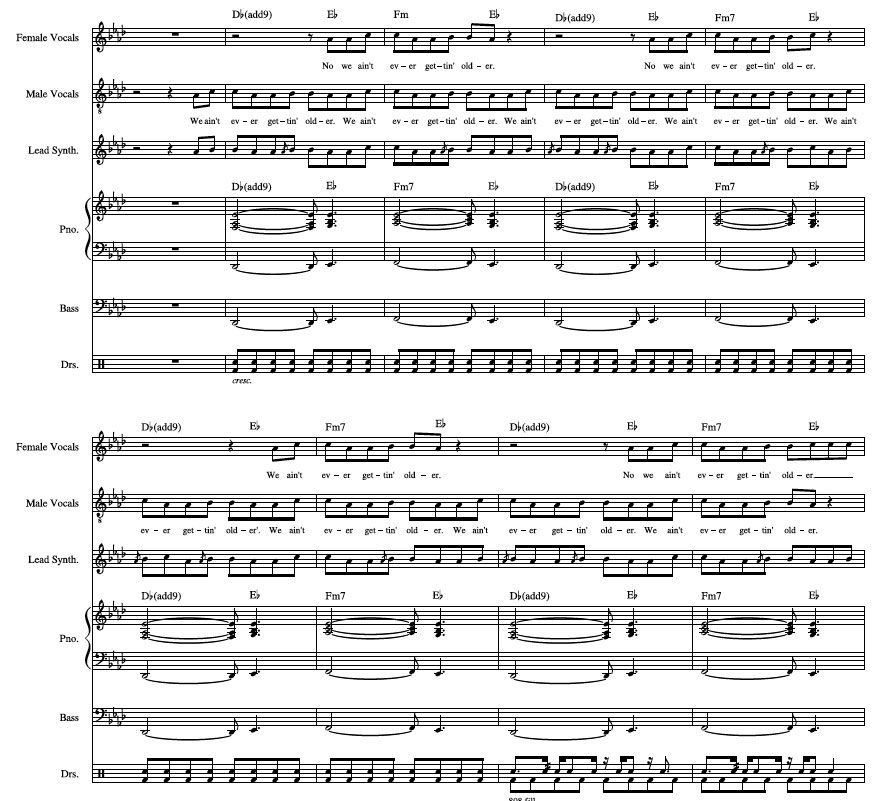
vocal-break-1-accompaniment-closer

Together, along with the vocals, the vocal break accompaniment takes the intensity and tension of the song to a feverish high, releasing in the final instrumental break section that follows.

Transition Point (Vocal Break into Instrumental Break 3): The drum fill that was utilized to transition choruses 1 and 2 into instrumental breaks 1 and 2 is put into play here to transition the vocal break into instrumental break 3. Additionally, Halsey’s prolonged “old-er-er-er,” which begins at the end of the vocal break, carries over right past the transition point into the instrumental break.

Instrumental Break 3 (3:30 – 3:50)
Primary Instrumentation Featured In The Mix
Part X (3:30 – 3:40)
  • *Acoustic Piano: (Not filtered, warm acoustic piano – Level: Mid) Primary placement in the mix: 12:00.
  • *Synth 1 – Chords: (Staccato chord stabs – Level: Mid) Primary placement in the mix: 12:00.
  • Bass: (Sustained sub bass – Level: Mid-low) Primary placement in the mix: 12:00.
  • *Synth 2a – Main Lead: (Raspy, full, plays main hook – Level: Mid) Primary placement in the mix: 1:00.
  • Synth 6 – String Pad: (Legato synth string pad sounds Ab4 – Level: Mid) Primary placement in the mix: 12:00.
  • Kick: (Punchy electronic kick, tight attack, works with the synth chords rhythmically – Level: Mid) Primary placement in the mix: 12:00.
  • *Snare: (Electronic snare with punchy attack – Level: Mid) Primary placement in the mix: 12:00.
  • *Crash Cymbal: (Sounds on downbeat every two bars – Level: Mid) Primary placement in the mix: 12:00.
  • *Hi Hat: (Eighth note pattern, emphasis on upbeats – Level: Mid) Primary placement in the mix: 12:00.
  • *Shaker: (Sixteenth note pattern – Level: Low-mid) Primary placement in the mix: 11:00.
Part Y (3:40 – 3:50)

Everything in Part X with the following addition:

  • Synth 7 – Riser: (Subtle synth riser, low pitch – Level: Low) Primary placement in the mix: 12:00.
  • Synth 8 – Swell: (Subtle synth swell at transition point – Level: Low) Primary placement in the mix: 12:00.
  • *Claps: (Syncopated acoustic claps – Level: Mid) Primary placement in the mix: 12:00.

*Indicates a new or significantly changed up instrument in the mix compared to the preceding section

Chord Progression: Db(add9) – AbM7/Eb – Fm7 – AbM7/Eb (Ab: IVadd9 – I6/5 – vi7 – I6/5)
Characteristics

The third (and last) instrumental break section in the song features the same core accompaniment characteristics as found in the instrumental break sections. The primary difference is that the synth pad from the vocal break remains in effect throughout the section, which along with the vocals provides it with a more intense vibe compared to the preceding two, as well as engaging “like” section contrast.

Transition Point (Instrumental Break 3 to Outro): Turns on a dime.

Outro (3:50 – 4:00)
Primary Instrumentation Featured In The Mix
  • *Acoustic Piano: (Low-pass filtered, does not change filter cutoff throughout – Level: Mid) Primary placement in the mix: 12:00.
  • *Synth 3b – Hi Lead – Filtered: (Low-pass filtered – Level: Begins low in mix and fades up to Mid-low) Primary placement in the mix: 12:00.

*Indicates a new or significantly changed up instrument in the mix compared to the preceding section

Chord Progression: Db(add9) – Eb – Fm7 – Eb (Ab: IVadd9 – V – vi7 - V)
Characteristics

The outro is essentially a reversion back to the accompaniment characteristics of the intro, minus the wobbly synth effects. As a result, the song is bookended by the filtered piano and synth hook, ending the song on a familiar note.

Consisting of low-pass filtered acoustic piano, low-pass filtered hi lead synth (once again playing fragments of the main hook), and a “static” sounding delay ring out that stems from the lead synth in the preceding section, the energy level of the song is brought all the way back down, putting the listener gently back down on the ground as the song comes to a conclusion.

Additionally, note that the last note in the synth hook pattern doesn’t conclude on the tonic, and leaves the listener hanging as a result (i.e. a “false” ending).


Harmonic Progressions

Closer employs two closely related chord progressions.

Primary Chord Progression

The primary chord progression is featured in the verse, pre-chorus, and instrumental break sections.

Characteristics

In Ab Major, this chord progression, Db(add9) – AbMaj7/Eb – Fm7 – AbMaj7/Eb can be displayed as IVadd9 – I6/5 – vi7 – I6/5. The inverted Abmaj7 chord allows for stepwise motion in the bass, from Db-Eb-F. Note that the only instance of the tonic chord (Ab) is in this progression, but is inverted.

Secondary Chord Progression

Harmonic-2

The secondary chord progression is featured in the intro, outro, chorus and vocal break sections.

Characteristics

In Ab Major, this chord progression, Db(add9) – Eb – Fm7 – Eb can be displayed as IV(add9) – V – vi7 – V or more simply, IV – V – vi – V. It’s worth noting that no tonic chord is included in this progression, and that only the IV, V and vi chords are used.

Key Takeaways
Extended Harmony

Both chord progressions employ tones beyond triadic harmony, the Db(add9), a Db Major Triad (Db-F-Ab) with a major ninth on top (Eb). The primary chord progression also employs major seventh chords, the AbMaj/Eb. The effect of these extended harmonies imparts a subtle Jazz/R&B/Soul vibe, and provides more engaging harmony than simple triads.

Unresolved Harmony

There are two key characteristics that make Closer’s chord progressions feel cyclic and unresolved:

No I Chord In Root Position

The tonic chord (I chord), Ab, never appears in root position in the song. It does appear on weak beats, the “&” of beats three and four in the primary progression, but as a major seventh chord in second inversion (Eb in the bass). This allows the chord progression to never feel quite settled.

No Resolution To The Tonic Harmony

As mentioned above, the tonic chord, Ab only appears on weak beats in the middle of phrases. This leaves a sense of uncertainty as to what the tonic chord is because it is never resolved to on a downbeat.

An example of a chord progression that begins away from the tonic but resolves to the tonic chord is The Who’s “Baba O’Riley” (V-IV-I). A song that doesn’t feature the tonic in its primary chord progression but does resolve to the tonic on the downbeat of the chorus is Taylor Swift’s “Style” (Verse: vi – IV and ii – iii – IV | Chorus: I – V and I – IV – vi – VI). Some other songs like Closer that feel unresolved are The Weeknd’s “Can’t Feel My Face” (V-IV-vi) and Pink’s “Just Like Fire” (vi – IV – I – ii).

Same Bass Movement

Both the primary and secondary chord progressions employ the same bass movement: Db – Eb – F. This is in effect for the entire song, providing continuity between sections. The primary difference between the two is that in the primary progression the bass is fragmented and staccato, like the synth chords, and in the secondary progression the bass is sustained and legato like the piano.


Vocals


Vocal Assignments/Characteristics


Closer features a host of different vocal characteristics throughout the song. Among them are solo male (Taggart), solo female (Halsey), harmonized lead, multi-tracking, and an assortment of effects including pitch-processing, reverb and delay. The manner in which these disparate characteristics interact throughout the song takes Closer’s overall impact to a heightened level.

vocal-chart-closer

Verse 1

Vocals featured in the mix:

  • Primary Lead: Taggart
Part X

Line 1: Hey, I was do-in’ just fine before I met you
Line 2: I drink too much and that’s an is-sue, but I’m o-kay

Part Y

Line 3: Hey, you tell your friends it was nice to meet them
Line 4: But I hope I ne-ver see them a-gain

The first verse features a solo male lead vocal from Taggart. It’s minimally processed with reverb and delay, which provides it with an up-front and intimate vibe. The most pronounced delay effect is audible on the lyric “o-kay” at the end of line 2.

Pre-Chorus 1

Vocals featured in the mix:

  • Primary Lead: Taggart
  • Lead Multi-Tracking 1: Taggart
  • Lead Harmony 1: Taggart
  • Independent Background: Low-pitch-processed vocal
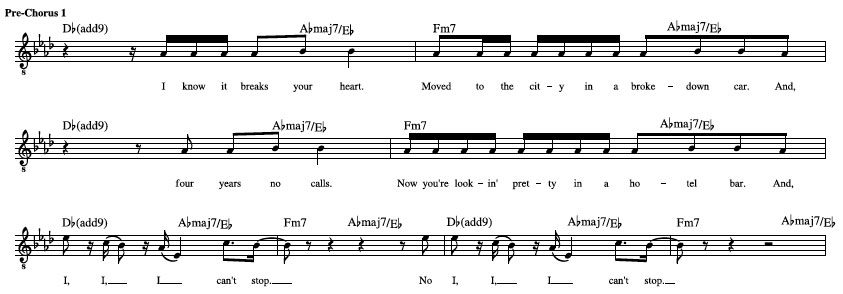
Part X

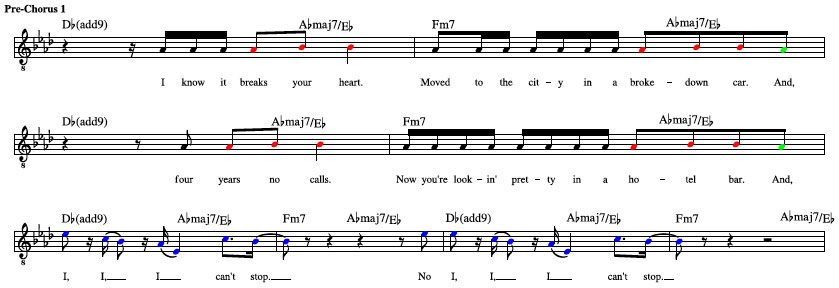
Line 1: I know it breaks your heart
Line 2: Moved to the cit-y in a broke down car (And)
Line 3: four years, no calls
Line 4: Now you’re look-in’ pret-ty in a ho-tel bar (And)

Part Y

Line 5: I, I, I can’t stop (plus very low-level unintelligible pitch-processed vocal)
Line 6: No, I, I, I can’t stop (plus very low-level pitch-processed “can’t sto-op”)

The first stanza/part X in the pre-chorus features a greater degree of effect processing compared to the first verse. In particular, there is more reverb and Taggart’s vocal is now multi-tracked as opposed to singular. As a result, it doesn’t possess the same upfront and intimate vibe as heard in the first verse.

The second stanza/part Y features a pronounced shift compared to part X. This is due to additional vocal layers that harmonize with Taggart’s lead, providing additional color, texture and contrast. However, note that the vocal remains all male – Halsey has not made an appearance thus far in the song.

Additionally, a very low-level, heavily pitch-processed male vocal enters the mix at the end of lines 5 and 6. The phrase at the end of line 5 is unintelligible, and the phrase at the end of line 6 is a repeat of the lyrics “can’t sto-op.”

Chorus 1

Vocals featured in the mix:

  • Primary Lead: Taggart
  • Lead Harmony 1: Taggart
  • Lead Harmony 2: High-Pitch-Processed
Part X

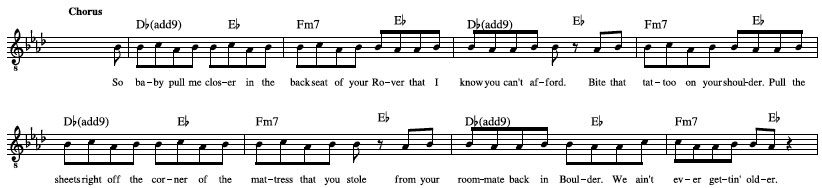
Line 1: So ba-by pull me clos-er
Line 2: In the back seat of your Ro-ver
Line 3: That I know you can’t af-ford
Line 4: Bite that tat-too on your shoul-der

Part Y

Line 5: Pull the sheets right off the cor-ner
Line 6: Of the mat-tress that you stole
Line 7: From your room-mate back in Boul-der
Line 8: We ain’t ev-er get-tin’ old-er

The entire chorus features Taggart’s harmonized lead vocal. As the section progresses, an increasing amount of reverb is applied, though it comes across only subtly in the final mix.

Additionally, a high-pitch-processed vocal doubles Taggart’s lead throughout, which provides increased color, texture, and contrast compared to the preceding sections. It also enables the chorus vocal to further stand out and connect with the listener.

Instrumental Break 1

Vocals featured in the mix:

  • Primary Lead: Taggart
  • Lead Harmony 1: Taggart
  • Lead Harmony 2: High-Pitch-Processed

Line 1: We ain’t ev-er get-tin’ old-er
Line 2: We ain’t ev-er get-tin’ old-er

The instrumental break post chorus features the same core lead vocal characteristics as the preceding chorus.

Verse 2

Vocals featured in the mix:

  • Primary Lead: Halsey
  • Lead Multi-Tracking: Halsey
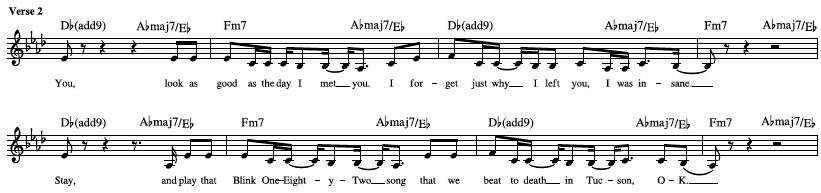
Part X

Line 1: You, look as good as the day I met you
Line 2: I for-get just why I left you, I was in-sane

Part Y

Line 3: Stay, and play that Blink One-Eight-y-Two song
Line 4: That we beat to death in Tuc-son, O-K

The second verse marks the first appearance by the song’s featured artist – Halsey – and a solo female vocal accordingly.

The first stanza/part X features a mostly singular (non-multi-tracked) vocal, which is processed with ample reverb and a delay effect that is most audible in the silence that follows the first lyric at the beginning of both stanzas (i.e. “you” and “stay”). Note that this is in contrast to Taggart’s singular lead in the first verse, which is less processed and more intimate.

Line 3 in the second stanza/part Y continues on in essentially the same manner, and line 4 adds multi-tracking to Halsey’s lead. This provides engaging contrast in the scope of the section in addition to enabling the line to further stand out in the mix.

Pre-Chorus 2

Vocals featured in the mix:

  • Primary Lead: Halsey
  • Lead Multi-Tracking: Halsey
  • Lead Harmony 1: Taggart (low level)
  • Independent Background: Low-pitch-processed vocal
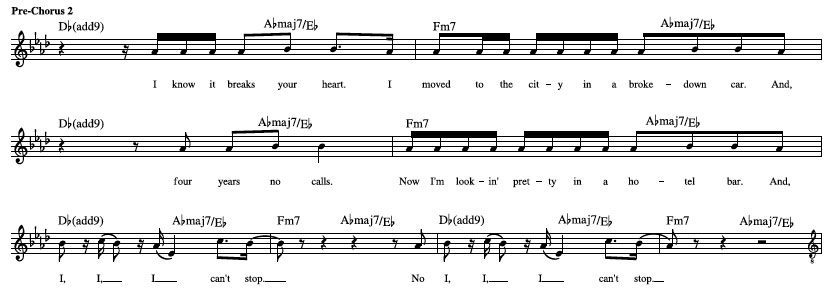
Part X

Line 1: I know it breaks your heart
Line 2: I moved to the cit-y in a broke down car and
Line 3: four years, no calls
Line 4: And now I’m look-in’ pret-ty in a ho-tel bar and

Part Y

Line 5: I, I, I can’t stop (plus pitch-processed “can’t sto-op”)
Line 6: No, I, I, I can’t stop (plus pitch-processed “can’t sto-op”)

The second pre-chorus essentially features the same vocal characteristics as the preceding verse, though their arrangement in the scope of the section differs. Lines 1 and 3 in the first stanza/part X feature pronounced multi-tracking, while lines 2 and 4 feature less pronounced multi-tracking. The contrast between lines 1 / 3 and 2 / 4 provide the stanza with an engaging flow.

In the second stanza/part Y, Taggart provides low-level harmony to Halsey’s lead. The result is and a fuller, richer, lead vocal that jumps out at the listener on a more pronounced level.

Additionally, a heavily processed pitch-shifted vocal sings “can’t stop” at the end of lines 5 and 6. This is the same vocal type that is found at the end of the same lines in the first pre-chorus, albeit more audible in the mix.

Chorus 2

Vocals featured in the mix:

  • Primary Lead: Taggart & Halsey
  • Lead Harmony 1: Taggart
  • Lead Harmony 2: High-Pitch-Processed
Part X

Line 1: So ba-by pull me clos-er
Line 2: In the back seat of your Ro-ver
Line 3: That I know you can’t af-ford
Line 4: Bite that tat-too on your shoul-der

Part Y

Line 5: Pull the sheets right off the cor-ner
Line 6: Of the mat-tress that you stole
Line 7: From your room-mate back in Boul-der
Line 8: We ain’t ev-er get-tin’ old-er

The second chorus features the same core vocal characteristics as the first with one primary difference – Taggart and Halsey are harmonizing at relatively equal prominence in the mix. This provides engaging contrast compared to the first chorus, as well as in the overall scope of the song (this is the first time that they harmonize with each other on a pronounced level).

Instrumental Break 2

Vocals featured in the mix:

  • Primary Lead: Taggart & Halsey (harmonized)
  • Lead Harmony 1: Taggart
  • Lead Harmony 2: High-Pitch-Processed

Line 1: We ain’t ev-er get-tin’ old-er
Line 2: We ain’t ev-er get-tin’ old-er

The second instrumental break post chorus features the same core characteristics as the first, with the exception being that the Taggart and Halsey continue harmonizing as in the preceding chorus.

Chorus 3

Vocals featured in the mix:

  • Primary Lead: Taggart
  • Lead Harmony 1: Taggart
  • Lead Harmony 2: High-Pitch-Processed
Part X

Line 1: So ba-by pull me clos-er
Line 2: In the back seat of your Ro-ver
Line 3: That I know you can’t af-ford
Line 4: Bite that tat-too on your shoul-der

Part Y

Line 5: Pull the sheets right off the cor-ner
Line 6: Of the mat-tress that you stole
Line 7: From your room-mate back in Boul-der
Line 8: We ain’t ev-er get-tin’ old-er

In contrast to the second chorus which features a harmonized Taggart/Halsey duet, the third chorus features only Taggart. The low harmony and high pitched-processed vocals are present in this chorus as well, at a very subtle level.

Vocal Break

Vocals featured in the mix:

  • Primary Lead: Taggart
  • Primary Lead: Taggart & Halsey (harmonized)
Part X

Line 1: We ain’t ev-er get-tin’ old-er
Line 2: No, we ain’t ev-er get-ting’ old-er
Line 3: We ain’t ev-er get-tin’ old-er
Line 4: No, we ain’t ev-er get-tin’ old-er

Part Y

Line 5: We ain’t ev-er get-tin’ old-er
Line 6: We ain’t ev-er get-tin’ old-er
Line 7: We ain’t ev-er get-tin’ old-er
Line 8: No, we ain’t ev-er get-tin’ old-er

The vocal break is the only section in the song that features alternating prominence of Taggart and Halsey on each successive line throughout the section. The odd numbered lines (1, 3, 5, 7) prominently feature Taggart. The even numbered lines (2, 4, 6, 8) feature Halsey at a prominent level in the mix, with Taggart harmonizing at a slightly lower level.

The alternating flow provides the vocal break post chorus with a highly infectious and engaging characteristic, and prevents the otherwise very repetitive essence of the section from becoming overly monotonous.

Instrumental Break 3

Vocals featured in the mix:

  • Primary Lead: Taggart & Halsey (harmonized)
  • Lead Harmony 1: Taggart
  • Lead Harmony 2: High-Pitch-Processed

Line 1: We ain’t ev-er get-tin’ old-er
Line 2: No, we ain’t ev-er get-tin’ old-er

The last instrumental break section in the song features a harmonized duet between Taggart and Halsey. Both are featured at a relatively equal level in the mix, though Halsey pierces through at a slightly higher level due to the timbre of her voice. Additional harmony vocals from Taggart are in the mix as well as the high-pitch-processed background vocals.


Vocal Melody


main-vocal-melody-closer

*The starting and ending points in the sections that feature both Taggart and Halsey reflect Taggart (i.e. the lower-register vocal).

Verse 1

Begins on Eb3 and ends a minor third lower on C3.

Pre-Chorus 1

Begins a minor sixth higher on Ab3 and ends a major second higher on Bb3.

Chorus 1

Begins on the same pitch, Bb3 and ends a step lower on Ab3.

Instrumental Break 1

Begins on the same pitch, Ab3, and ends a major third higher on C4.

Verse 2

Begins a minor third higher on Eb4 and ends a perfect fifth lower on Ab3.

Pre-Chorus 2

Begins an octave higher on Ab4 and ends on the same pitch.

Chorus 2

Begins a minor seventh lower on Bb3 and ends a major second lower on Ab3.

Instrumental Break 2

Begins on the same pitch and ends a major third higher on C4.

Chorus 3

Begins a major second lower on Bb3 and ends a major second lower on Ab3.

Vocal Break

Begins and ends on the same pitch, Ab3.

Instrumental Break 3

Begins on the same pitch, Ab3, and ends a major third higher on C4.

Verse 1
Part X

verse-1-1-main-closer

Part Y

verse-1-2-main-closer

verse-1-sheet-vocals-closer

Line Reference
Part X

Line 1: Hey, I was do-in’ just fine before I met you
Line 2: I drink too much and that’s an is-sue, but I’m o-kay

Part Y

Line 3: Hey, you tell your friends it was nice to meet them
Line 4: But I hope I ne-ver see them a-gain

Lead Vocal Range

High: Eb3
Low: Eb2

Overview

Key

Bold: Subtle phrase or line segmentation put into effect by a prolonged lyric or short rest (i.e. sixteenth note)
(/): Pronounced phrase or line segmentation put into effect by a rest that is an eighth note or longer
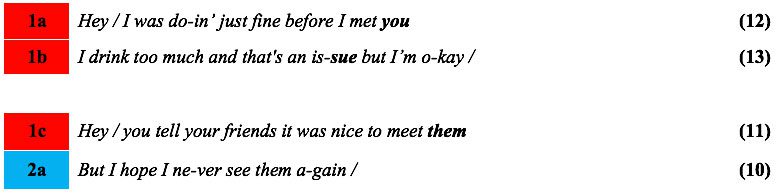
verse-1-parts-syllable-closer

Syllable Count

Each line is close in their respective syllable count, ranging from 10 to 13.

Segmentation

In-Line Segmentation:

  • Lines 1 & 3: The first lyric, “hey,” is segmented from the rest of the line via a half rest.
  • Line 2: The two eighth notes that comprise “is-sue” act in the manner of a comma, subtly segmenting the phrases on the line from one another.

Cross-Line Segmentation:

The lines in each stanza are subtly segmented from one another by prolonged lyrics (i.e. eighth note at the end of lines 1 and 3) and a short rest (i.e. the sixteenth rest at the end of line 3).

Cross-Stanza Segmentation:

Both stanzas (parts X and Y) are segmented from one another by a lengthy whole rest, which is implemented at the end of line 2.

Melodic Structure

The first verse features a 1-1-1-2 melodic structure. The first three lines all feature a part 1 classification due to their core similarities. However, each possesses differences as well, hence the part 1a, 1b and 1c distinctions. The last line in the section, line 4, deviates the most from the preceding three, and is provided with a part 2 classification accordingly. However, it too possesses certain similarities with the aforementioned part 1’s which reinforces the overall melody in the listener’s head.

Motives: Verse 1
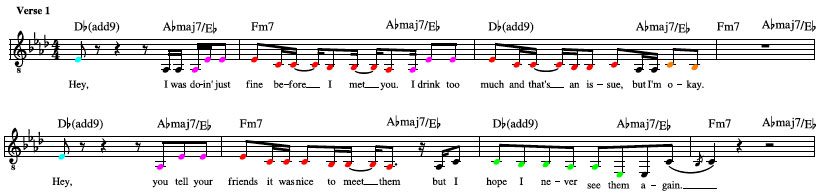
verse-1-motives-closer

Melodic Structure
PART X: LINES 1 & 2

Line 1: Hey, I was do-in’ just fine before I met you
Line 2: I drink too much and that’s an is-sue, but I’m o-kay

verse-1-1-vocal-melody-parts-closer

Line 1

Part 1a: “Hey, I was do-in’ just fine before I met you”

Line 1 is composed of part 1a. It begins in a very minimal manner, consisting of a single Eb sixteenth note on the lyric “hey,” and followed by a half rest. The space created between this single note/lyric and the balance of the line that follows provides the song with a very engaging and unexpected characteristic right at the onset of the song, which further pulls the listener in.

The balance of the line features an infectiously engaging combination of ascending and descending “platform” melodic progressions, which defines the other lines with the section as well. Platform 1 begins on Ab, which is a fifth lower than the lyric “hey” that precedes it:

  • Platform 1 (Ab-Ab-Ab) “I was do-”
  • Platform 2 (Eb-Eb-Eb) “-in’ just fine”: Up a fifth from platform 1
  • Platform 3 (C-C) “be-fore”: Down a minor-third from platform 2
  • Platform 4 (Bb-Bb) “I met”: Down a major second from platform 3
  • End of Line (Ab: Tonic) “you”: Down a major second from platform 4

Rhythmically, the first four syllables consist of short sixteenth notes, which essentially function as a pickup to the main descending platform progression that follows. The descent from Eb to Ab consists primarily of longer eighth notes, save for the syllable “be” in “be-fore,” which is a sixteenth note. Together, the combination of short and longer notes provides the full line with an engaging flow.

Line 2

Part 1b: “I drink too much and that’s an is-sue, but I’m o-kay”

Line 2 is composed of part 1b. It features the core melodic shape and a similar rhythm as line 1 that precedes it, which imparts familiarity and accentuates memorability as a result. However, there are key differences as well, which keeps things fresh and engaging.

Similarities with Line 1:

  • It begins on a Ab sixteenth note and then leaps up a fifth to Eb, where it embarks on a descending Eb-Eb / C-C / Bb-Bb platform progression.

Differences with Line 1:

  • It doesn’t begin with a single eighth note followed by a lengthy half-rest.
  • If features a shorter Ab sixteenth note pickup at the beginning (i.e. a single note as opposed to three).
  • It features a slightly differentiated rhythm.

The most pronounced difference occurs at the end of the line. Instead of concluding on C, which seemingly brings the phrase “I drink too much and that’s an is-sue” to a conclusion, an additional phrase is tacked on at the end, which is unique in the scope of the section:

“but I’m o-kay” (Ab-Ab-C-Bb / sixteenth-sixteenth-eighth-eight)

Note that the longer eighth notes that comprise the lyric “is-sue” act in the manner of a comma that segments the two phrases from one another. The effect is heightened due to the shorter sixteenth notes that directly precede and follow:

“I drink too much and that’s an is-sue, but I’m o-kay”

Line 1 ends on the tonic, Ab. Line 2 ends a step higher on Bb, which leaves the mood a bit less resolved.

PART Y: LINES 3 & 4

Line 3: Hey, you tell your friends it was nice to meet them
Line 4: But I hope I ne-ver see them a-gain

verse-1-2-vocal-melody-parts-closer

Line 3

Part 1c: “Hey, you tell your friends it was nice to meet them”

Line 3 is composed of part 1c. It features both core commonalities as well as differences with lines 1 and 2 that precede it:

Commonalities:

  • It begins in the same manner as line 1, with the Eb eighth note “hey,” followed by the prolonged half-note rest.
  • The balance of the line starts with a single Ab note (same as line 2), leaps up to Eb, and then follows a descending “platform” progression down to the tonic, Ab, which is the note that line 1 concludes on.

Differences:

  • In contrast to line 1, which begins with short sixteenth notes and concludes with longer eighth notes, line 3 begins with longer eighth notes and features a higher concentration of short sixteenth notes for the balance of the line.
  • The C note platform consists of three syllables as opposed to two.
Line 4

Part 2a: “But I hope I ne-ver see them a-gain”

Line 2 is composed of part 2b. While it features certain similarities with the part 1’s that compose lines 1 – 3, it is the most changed up in the scope of the section, and provided with a part 2 classification accordingly.

Part 1 Similarities:

  • It begins with a sixteenth note Ab pickup.
  • Following the pickup, there is a melodic leap, followed by a descending platform progression.

Part 1 Differences:

  • The leap at the beginning spans a major second as opposed to a fifth (Ab – C vs. Ab – Eb).
  • The platform descent consists of major seconds up until the final one, which descends a fourth down to, Eb. This is the lowest register in the entire section.
  • The last two-syllable lyric in the section, “a-gain,” features a pronounced leap from Eb to C. Ending on C rather than the tonic Ab leaves the melody unresolved heading into the next section.
  • Rhythmically, it consists mostly of eighth notes, and contains no syncopation. Every part 1 has some degree of syncopation.
Mood Enhancement

Notice that the smaller leap interval at the onset of line 4 coupled with descending to the lowest register in the entire section compared to line 3 that precedes it provides the line with a less excited vocal quality. This cleverly jibes with and accentuates the connotation of the lyrics:

More excited – positive connotation (leaps up a fifth): “Hey, you tell your friends it was nice to meet them”

Less excited – negative connotation (leaps up a major third): “But I hope I ne-ver see them a-gain”


Verse 2
Part X

verse-2-1-main-closer

Part Y

verse-2-2-main-closer

verse-2-sheet-vocals-closer

Line Reference
Part X

Line 1: You, look as good as the day I met you
Line 2: I for-get just why I left you, I was in-sane

Part Y

Line 3: Stay, and play that Blink One-Eight-y-Two song
Line 4: That we beat to death in Tuc-son, O-K

Lead Vocal Range

High: F4
Low: Ab3

Melodic Structure Overview

Key

Bold: Subtle phrase or line segmentation put into effect by a prolonged lyric or short rest (i.e. sixteenth note)
(/): Pronounced phrase or line segmentation put into effect by a rest that is an eighth note or longer.

verse-2-parts-syllable-closer

Syllable Count

As is the case in the first verse, each line is close in their respective syllable counts, ranging from 10 to 12.

Segmentation

The second verse features essentially the same core in-line, cross-line, and cross-stanza segmentation methods as utilized in the first verse.

Melodic Structure

The second verse features a 1-1-1-1 melodic structure. Each line possesses core similarities and differences with one another as well as with their verse 1 counterparts, hence the 1d, 1e, 1f, and 1g distinctions.

Note that the second verse is sung an octave above the first, as it features Halsey as opposed to Taggart.

Motives: Verse 2
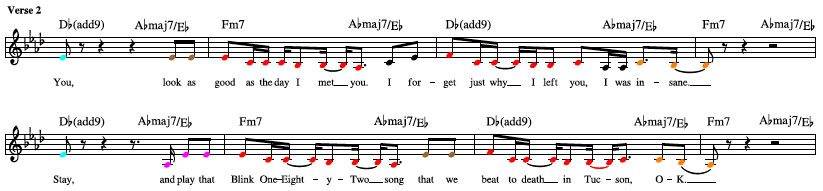
verse-2-motives-closer

Motives: Verse 1 Reference

verse-1-motives-closer

PART X: LINES 1 & 2

Line 1: You, look as good as the day I met you
Line 2: I for-get just why I left you, I was in-sane

verse-2-1-vocal-melody-parts-closerverse-1-1-vocal-melody-parts-closer

Line 1

Part 1d: “You, look as good as the day I met you”

Line 1 is composed of part 1d. It features key similarities to its verse 1 counterpart and other verse 1 lines as well, but also possesses noticeable differences.

Similarities:

  • It begins with a single Eb eighth note, followed by a prolonged rest.
  • It features a descending “platform” progression via Eb – C – Bb – Ab.

Differences:

  • In contrast to all of the lines in the first verse, line 1 in the second verse begins on Eb as opposed to Ab. As a result, there is no initial leap up to the highest point of the “platform” progression.
  • It features a differentiated rhythm compared to lines in the first verse. Of the 10 syllables on the line, the first 4 feature an eighth note value, the three that follow are shorter sixteenth notes, and the three that conclude are longer eighth notes. Note that the last lyric, “you” possesses the longest note value on the line – a dotted eighth. This this helps to segment line 1 from line 2 in lieu of a rest.
Line 2

Part 1e: “I for-get just why I left you, I was in-sane”

Line 2 is composed of part 1e. With the exception of the first three syllables (“I for-get”), line 2 in the second verse is virtually identical to its verse 1 counterpart.

The first three syllables possess an eighth note value and ascend via C-Eb-F. Note that this is the only point in both verse sections where a line begins on C and then climbs to F, which is the highest pitch in both verse sections, is unique to the second verse.

This changeup at the beginning provides the melody with increased color and excitement, as well as engaging contrast in the scope of the song. The rhythmic and melodic similarities for the duration heightens the memorability factor due to the familiarity imparted.

The line concludes on Bb rather than the tonic Ab, where all other lines of this verse end. Similar to line 2 in the first verse, this leaves the mood unresolved and the listener hanging going into the second stanza.

PART Y: LINES 3 & 4

Line 3: Stay, and play that Blink One-Eight-y-Two song
Line 4: That we beat to death in Tuc-son, O-K

verse-2-2-vocal-melody-parts-closer

Line 3

Part 1f: “Stay, and play that Blink One-Eight-y-Two song”

Line 3 is composed of part 1f. It’s essentially a hybrid of characteristics stemming from lines 1 and 3 in the first verse.

Verse 1 Similarities:

  • Line 3, Verse 1: The Eb – prolonged rest – Ab – Eb – Eb – Eb progression. Each Eb is an eighth note, though the Ab is a sixteenth, which differs from its verse 1 counterpart.
  • Line 1, Verse 1: The balance of the line features the same melody and almost the same rhythm as line 1 in the first verse (C-C-Bb-Bb-Ab / sixteenth-eighth-eighth-eighth-dotted eighth). Note that the last lyric in the first verse is an eighth as opposed to a dotted eighth.
Line 4

Part 1g: “That we beat to death in Tuc-son, O-K”

Line 4 is composed of part 1g. It features the most in common with its verse 2, line 2 counterpart as opposed to the lines in the first verse. Following the climb from Eb to F, which is pinnacle pitch #2 in the scope of verse sections, it drops a fourth and follows a descending C-C-Bb-Bb “platform” progression. However, it steps back up to another C platform, before progressing via Bb-Ab to conclude.

Note that the syllable “-son” in “Tuc-son” is the longest on the line – a dotted eighth. This acts in a manner of a comma, cleverly separating the city from the state:

“That we beat to death in Tuc-son, OK” (i.e. Tucson, Oklahoma).

Pre-Chorus 1
Part X

pre-chorus-1-1-main-closer
pre-chorus-1-2-main-closer

Part Y

pre-chorus-1-3-main-closer

pre-chorus-1-sheet-vocals-closer

Line Reference
Part X

Line 1: I know it breaks your heart
Line 2: Moved to the cit-y in a broke down car
Line 3: And four years, no calls
Line 4: Now you’re look-in’ pret-ty in a ho-tel bar

Part Y

Line 5: And I, I, I can’t stop
Line 6: No, I, I, I can’t stop

Lead Vocal Range

High: Eb4
Low: Ab3

Overview

Key

Bold: Subtle phrase or line segmentation put into effect by a prolonged lyric or short rest (i.e. sixteenth note)
(/): Pronounced phrase or line segmentation put into effect by a rest that is an eigth note or longer
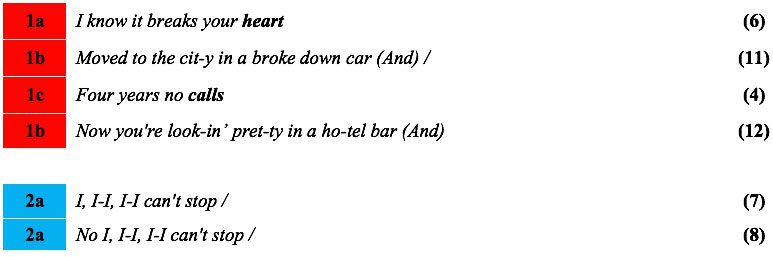
pre-chorus-1-parts-syllable-closer

Syllable Count

The first four line in the section alternate short/long, consisting of 6 -11- 4 -12 syllables, respectively. The last two lines feature an almost identical syllable count, consisting of 7 and 8, respectively.

Segmentation

In-Line Segmentation:

  • Each line flows straight through without a pause.

Cross-Line Segmentation:

  • In the first stanza/part X, lines 1 and 2 as well as 3 and 4 are subtly segmented from one another by a prolonged lyric at the end (quarter note). Line 2 is segmented from line 3 in a more pronounced manner, by a dotted quarter rest. Note that the rest follows the FIRST LYRIC of the line follows – line 3 – see below for details.
  • In the second stanza/part Y, lines 5 and 6 are segmented from one another by a dotted half rest.

Cross-Stanza Segmentation:

  • The first stanza/part X flows directly into the second stanza/part Y without a pause.
Melodic Structure

Pre-chorus 1 features a 1-1-1-1-2-2 melodic structure. The first four lines all possess core commonalities with one another, hence the part 1 classification. However, they feature differences as well, hence the 1a, 1b, and 1c distinctions. The last two lines in the section completely differ from the preceding four, and are provided with a part 2 classification accordingly. Both part 2 lines are almost identical to one another, and are provided with a 2a distinction.

Motives: Pre-Chorus 1
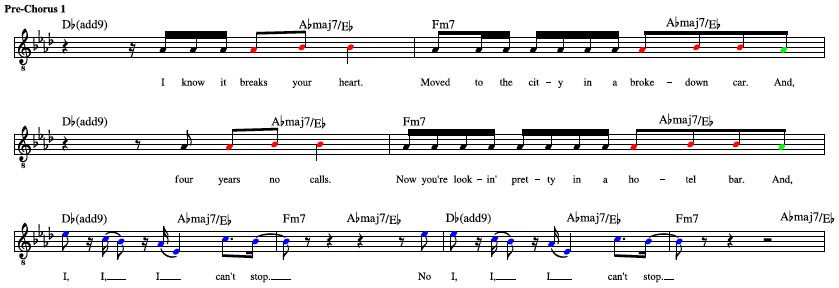
pre-chorus-1-motives-closer

PART X: LINES 1 & 2

Line 1: I know it breaks your heart
Line 2: Moved to the cit-y in a broke down car

pre-chorus-1-1-vocal-melody-parts-closer

Line 1

Part 1a: “I know it breaks your heart”

Line 1 is composed of part 1a.  Melodically, it features a monotone Ab run up until the last two lyrics/syllables, which are a step higher on Bb. Rhythmically, the first three lyrics/syllables are short sixteenth notes, and the last three consist of two eighth notes and a quarter note to conclude. Note that the quarter note functions in the manner of a period, segmenting line 1 from line 2 in lieu of a rest.

Line 2

Part 1b: “Moved to the cit-y in a broke down car. And”

Line 2 is composed of part 1b. It features the same core melodic shape and rhythmic structure as line 1, save for the additional lyrics and syllables and the eighth note at the beginning. The primary difference occurs at the end of the line, where instead of concluding on Bb, it drops a step down to the tonic Ab.

Atypical Phrasing

While the drop down to Ab at the end of line 2 isn’t that drastic, the manner in which it relates to the narrative is. Grammatically, the line should technically end on the lyric “car”:

“Moved to the cit-y in a broke down car” (“AND”)

However, the melodic run flows seamlessly up until the end on the lyric “and,” which begins line 3:

(“AND”) “four years, no calls”

The dotted quarter rest that follows “and” and precedes line 3, “four years no calls” provides the section with a clever twist, and heightens anticipation for subject matter that follows the aforementioned vocal silence following the lyric “and.”

PART X: LINES 3 & 4

Line 3: And four years, no calls
Line 4: Now you’re look-in’ pret-ty in a ho-tel bar. (And)

pre-chorus-1-2-vocal-melody-parts-closer

Line 3

Part 1c: “four years, no calls”

Line 3 features the same core Ab-Bb progression as found on lines 1 and 2. There are two primary differences, however:

  • It’s the shortest line in the section, consisting of just 4 syllables.
  • It features the longest successive note values in the section, consisting of three eighth notes followed by a quarter note to conclude.

Additionally, note that the quarter note value of the lyric “calls” acts in the manner of a period, segmenting line 3 from line 4 in lieu of a rest.

Line 4

Part 1b: “Now you’re look-in’ pret-ty in a ho-tel bar. And”

The last line in the first stanza is essentially a melodic and rhythmic carbon copy of line 2. The only differences are that it’s one syllable longer and doesn’t feature an eighth note on the first syllable (it’s a straight-through sixteenth note run up until the last four syllables on the line).

Additionally, notice the same “and” scenario that defines lines 2 and 3 happens again between lines 4 and 5. The only difference is that there isn’t a rest that follows this “and.” It instead flows directly into line 5.

PART Y: LINES 5 & 6

Line 5: And I, I, I can’t stop
Line 6: No, I, I, I can’t stop

pre-chorus-1-3-vocal-melody-parts-closer

Line 5

Part 2a: “I, I, I can’t stop”

Line 5, which is the first of two lines in the second stanza, features a pronounced departure compared to lines 1 – 4 that precede it. It possesses a fragmented structure centered on the lyric “I,” which starts on Eb and works its way down an octave before the changeup at the end. This provides the second half of the section with an infectious spin, which ultimately accentuates the engagement value for the listener:

  • Fragment 1: “I” (Eb/eighth) / Sixteenth rest
  • Fragment 2: “I, I” (C-Bb / sixteenth-eighth) / Sixteenth rest
  • Fragment 3: “I, I” (Ab-Eb / sixteenth-quarter)

Note that the quarter note value of the last “I” provides subtle segmentation against the “can’t stop” lyrics that follow.

The last two lyrics, “can’t stop,” begin a major sixth higher than the last “I,” followed by a step down to Bb to conclude. The pronounced melodic direction reversal coupled with the longer dotted eighth value of the lyrics compared to most of the other lyrics that precede it enables the lyrical crux of the section to jump out at the listener independently of the infectiously fragmented “I” descent that precedes it.

Line 6

Part 2a: “No, I, I, I can’t stop”

Line 6 is identical to line 5 except that it contains an additional Eb eighth note lyric/syllable at the beginning – “no.” Both lines end on Bb, building tension and leaving the mood and the melody unresolved heading into the chorus.


Pre-Chorus 2
Part X

pre-chorus-2-1-main-closer
pre-chorus-2-2-main-closer

Part Y

pre-chorus-2-3-main-closer

pre-chorus-2-sheet-vocals-closer

Line Reference
Part X

Line 1: I know it breaks your heart
Line 2: I moved to the cit-y in a broke down car (And)
Line 3: four years, no calls
Line 4: And now I’m look-in’ pret-ty in a ho-tel bar (And)

Part Y

Line 5: I, I, I can’t stop
Line 6: No I, I, I can’t stop

Lead Vocal Range

High: C5
Low: Eb4

Overview

pre-chorus-2-parts-syllable-closer

As is the case with pre-chorus 1, pre-chorus 2 features a 1-1-1-1-2-2 melodic structure. The first four lines are almost identical to their pre-chorus 1 counterparts. The last two lines, however, are subtly changed up, and are provided with a part 2b and 2c distinction as opposed to 2a in pre-chorus 1.

Note that the second pre-chorus is sung an octave above the first, as it features Halsey as opposed to Taggart.

Motives: Pre-Chorus 2
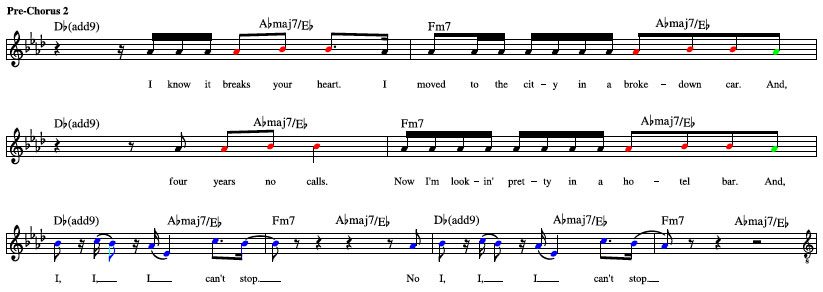
pre-chorus-2-motives-closer

Motives: Pre-Chorus 1 Reference

pre-chorus-1-motives-closer

PART X: LINES 1 & 2

Line 1: I know it breaks your heart
Line 2: I moved to the cit-y in a broke down car (And)

pre-chorus-2-1-vocal-melody-parts-closer

Line 1

Part 1a: “I know it breaks your heart”

Line 1 is composed of part 1a.  It features essentially the same melody and rhythm as its pre-chorus 1 counterpart. The only real difference is the dotted eighth note at the end vs. the quarter note at the end of line 1 in the first pre-chorus, which functions in the manner of a period in lieu of a rest, segmenting line 1 from line 2 albeit more subtly than in pre-chorus 1.

Line 2

Part 1b: “I moved to the cit-y in a broke down car. And”

Line 2 is almost identical to its pre-chorus 1 counterpart. The primary difference is that it’s one syllable longer (e.g. “I moved” as opposed to “moved”).

PART X: LINES 3 & 4

Line 3: four years, no calls
Line 4: And now I’m look-in’ pret-ty in a ho-tel bar (And)

pre-chorus-2-2-vocal-melody-parts-closer

Line 3

Part 1c: “four years, no calls”

Line 3 in pre-chorus 2 is identical to its pre-chorus 1 counterpart.

Line 4

Part 1b: “And now I’m look-in’ pret-ty in a ho-tel bar. And”

The last line in the first stanza is essentially a melodic and rhythmic carbon copy of line 2. The only differences are that it’s one syllable longer and doesn’t feature an eighth note on the second syllable (it’s comprised of sixteenth notes up until the last four syllables of the line).

Additionally, notice the same “and” scenario that defines lines 2 and 3 happens again between lines 4 and 5.

PART Y: LINES 5 & 6

Line 5: I, I, I can’t stop
Line 6: No, I, I, I can’t stop

pre-chorus-2-3-vocal-melody-parts-closer

Line 5

Part 2b: “I, I, I can’t stop”

Line 3 is composed of part 2b. It’s almost identical to its pre-chorus 1 counterpart, save for the first note being a Bb, which is a fourth lower relative to the Eb in the first pre-chorus.

Line 6

Part 2c: “No, I, I, I can’t stop”

Line 4 is composed of part 2c. It too is almost identical to its pre-chorus 1 counterpart, as well as line 3 that precedes it. The difference resides once again at the beginning, in this case an Ab-Bb eighth note ascent as opposed to a single Bb (line 5) or two Eb notes (pre-chorus 1 line 6).


Chorus

chorus-1-1-main-closer
chorus-1-2-main-closer

chorus-1-sheet-vocals-closer

Line Reference

Line 1: So ba-by pull me clos-er
Line 2: In the back seat of your Ro-ver
Line 3: That I know you can’t af-ford
Line 4: Bite that tat-too on your shoul-der
Line 5: Pull the sheets right off the cor-ner
Line 6: Of the mat-tress that you stole
Line 7: From your room-mate back in Boul-der
Line 8: We ain’t ev-er get-tin’ old-er

Lead Vocal Range

High: C4
Low: Ab3

Melodic Structure Overview

Key

Bold: Subtle phrase or line segmentation put into effect by a prolonged lyric or short rest (i.e. sixteenth note)
(/): Pronounced phrase or line segmentation put into effect by a rest that is an eigth note or longer
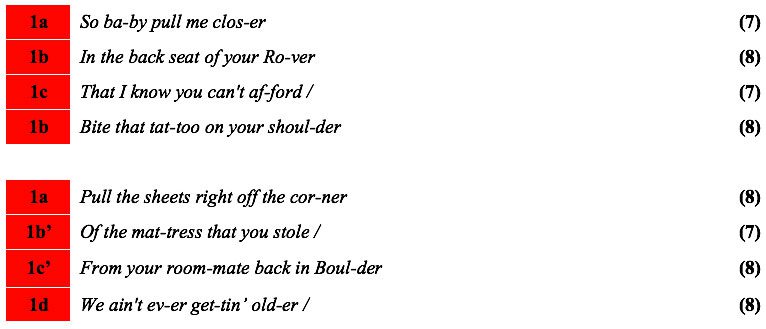
chorus-1-parts-syllable-closer

Syllable Count

Each line is very close in their respective syllable count at either 7 or 8.

Segmentation

In-Line Segmentation:

  • None.

Cross-Line Segmentation:

  • Lines 3 & 4 and 6 & 7 are segmented by an eighth rest.

Cross-Stanza Segmentation:

  • There is no segmentation between stanzas.
Melodic Structure

Each line in the chorus features a part 1 classification due to the similarities between them. However, there are four variations of the melodic core within the section, which are denoted as parts 1a, 1b, 1c, and 1d. Parts 1b and 1c recur in a slightly changed-up manner, and those instances are noted as 1b’ and 1c’.

Motives: Chorus
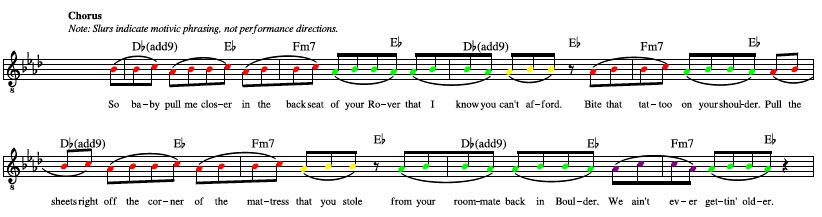
chorus-motives-closer

LINES 1 – 4

Line 1: So ba-by pull me clos-er
Line 2: In the back seat of your Ro-ver
Line 3: That I know you can’t af-ford
Line 4: Bite that tat-too on your shoul-der

chorus-1-1-vocal-melody-parts-closer

Line 1

Part 1a: “So ba-by pull me clos-er”

Line 1 is composed of part 1a. Like the other lines in the chorus, it possesses an all-eighth note delivery. It features two ascents to C by way of Bb-Bb-C and Ab-Bb-Bb-C. The Ab-Bb-Bb-C motive is one of the key recurring melodic elements utilized throughout the chorus.

Line 2

Part 1b: “In the back seat of your Ro-ver”

Line 2 is composed of part 1b. It begins with a repetition of Ab-Bb-Bb-C, then begins again with Ab-Bb-Bb but ends with a descent  to Ab. This Ab-Bb-Bb-Ab progression is another melodic motive that recurs throughout the chorus.

Line 3

Part 1c: “That I know you can’t af-ford”

Line 3 is composed of part 1c. It begins with the Ab-Bb-Bb-Ab motive introduced on the previous line, and then begins again with Ab-Bb-Bb, followed by an eighth rest. Note that this is the first instance of segmentation within the scope of the section.

Line 4

Part 1b: “Bite that tat-too on your shoul-der”

Line 4 features an exact repetition of part 1b as featured on line 2.

LINES 5 – 8

Line 5: Pull the sheets right off the cor-ner
Line 6: Of the mat-tress that you stole
Line 7: From your room-mate back in Boul-der
Line 8: We ain’t ev-er get-tin’ old-er

chorus-1-2-vocal-melody-parts-closer

Line 5

Part 1a: “Pull the sheets right off the cor-ner”

Line 5 is composed of an exact repeat of part 1a, which kicks off the section on line 1.

Line 6

Part 1b’: “Of the mat-tress that you stole”

Line 6 is composed of part 1b’. It shares much in common with its line 2 counterpart, except for that it stops on Bb rather than finishing on Ab, and replaces that Ab with a rest, implementing the second instance of segmentation in the section.

Line 7

Part 1c’: “From your room-mate back in Boul-der”

Line 7 is composed of part 1c’. It shares much in common with its line 3 counterpart (1c), but it is longer, finishing with a step down to Ab where part 1c implemented a rest. Foregoing the rest in this case keeps the momentum flowing into the last line.

Line 8

Part 1d: “We ain’t ev-er get-tin’ old-er”

Line 8 is composed of part 1d. It introduces the motive that plays the primary vocal role in the instrumental break that follows. It’s mainly comprised of a platform progression between C, Ab and Bb, following the progression Ab-C-C-Ab-Ab-Bb-Bb-Ab (concluding on the tonic).

There are two subtle but important characteristics that separate this part from all others in the section:

  • 1d is the only part of the chorus that leaps up a major third (Ab-C); all others ascend stepwise.
  • 1d is the only part that repeats C twice in a row; all others that contain C contain only one consecutive C.

Instrumental Break

instrumental-break-1-1-main-closer

instrumental-break-1-sheet-vocals-closer

Line Reference

Line 1: We ain’t ev-er get-tin’ old-er
Line 2: We ain’t ev-er get-tin’ old-er

Lead Vocal Range

High: C4
Low: A3

Overview

instrumental-break-1-parts-syllable-closer

Syllable Count

Each line in the instrumental break section consists of eight syllables.

Segmentation

In-Line Segmentation:

  • Each line flows straight through without a pause.

Cross-Line Segmentation:

  • Lines 1 and 2 are segmented from one another by three whole rests and a half rest.
Melodic Structure

Both lines in the instrumental break sections recycle the last line in the chorus, “We ain’t ev-er get-tin’ old-er.” As a result, the repetition of this isolated line transforms it into the song’s primary vocal hook, and is further reinforced in the vocal break section.

The sole difference compared to the chorus is that the last lyric goes up a step to C as opposed to down to Ab.

Instrumental Break – Vocal Hook
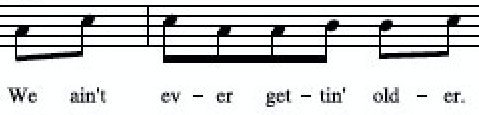
ib-hook-closer

Chorus – Vocal Hook

chorus-hook-closer

Additionally, the vocal hook melody interlocks with the lead synth hook melody when it’s in effect, thus accentuating the hook’s ability to stand out and resonate.

vocal-synth-hook-closer

Vocal Break

vocal-break-1-main-closer
vocal-break-2-main-closer

vocal-break-1-sheet-vocals-closer

Line Reference

Line 1: We ain’t ev-er get-tin’ old-er
Line 2: No we ain’t ev-er get-ting’ old-er
Line 3: We ain’t ev-er get-tin’ old-er
Line 4: No we ain’t ev-er get-tin’ old-er
Line 5: We ain’t ev-er get-tin’ old-er
Line 6: We ain’t ev-er get-tin’ old-er
Line 7: We ain’t ev-er get-tin’ old-er
Line 8: No we ain’t ev-er get-tin’ old-er-er-er

Lead Vocal Range

High: C5
Low: Ab3

Overview

vocal-break-1-parts-syllable-closer

Syllable Count

Each line in the vocal break section is very close in regard to their respective syllable count, ranging from 8 to 11. The first seven lines fluctuate between 8 and 9, and the last line contains two additional syllables due to the prolonged lyric, “old-er-er-er.”

Segmentation

Each line in the section that is sung by Taggart flows directly into one another without a pause. Each of Hasley’s higher register harmony lines are segmented from one another by a lengthy dotted half + eighth rest. She joins in with him on every other repetition.

Melodic Structure

As is the case with the instrumental break section, the vocal break post chorus section is based on the repetition of the “we ain’t ev-er get-tin’ old-er” line from the chorus. However, in contrast to the instrumental break section, there are two components involved:

  • Taggart repeats the phrase verbatim in each line throughout the section.
  • Halsey is featured only on the even numbered lines throughout the section (2, 4, 6, 8) singing the phrase an octave above Taggart. She sings the same core melody as Taggart on each line, though a subtle changeup occurs at the end of lines 4 and 8 (she concludes via a step up to C as opposed to a drop down to Ab), and an additional lyric, “no” is featured at the beginning of lines 2, 4 and 8.

The interaction between both artists provides the section with a highly infectious quality, and prevents the repetitive vocal and lyrical characteristics from becoming overly monotonous.


vocal-break-1-1-vocal-melody-parts-closer
vocal-break-1-2-vocal-melody-parts-closer


Lyrics & Title


Lyric Types


Detail Lyrics & Phrases
(These lyrics provide detail as to what’s happening in the story – literally, metaphorically, or both)

The entire song is rich in detail. What follows are a couple of examples from each section. Reference the Story Flow & Meaning section of the report for a full rundown on the narrative.

Verse 1
  • Hey, I was doin’ just fine before I met you
  • I drink too much and that’s an issue, but I’m okay
Verse 2
  • Stay, and play that Blink-182 song
  • That we beat to death in Tucson, OK
Pre-Chorus
  • Moved to the city in a broke down car
  • Now you’re lookin’ pretty in a hotel bar
Chorus
  • So baby pull me closer
  • In the back seat of your Rover
  • That I know you can’t afford
  • Mattress that you stole
  • From your roommate back in boulder

Imagery Lyrics & Phrases
(These lyrics “paint a picture” in the listener’s head in order to further engross them in the story (e.g. brown hair, red pickup truck, etc…)

Pre-Chorus
  • Moved to the city in a broke down car
  • Now you’re lookin’ pretty in a hotel bar
Chorus
  • In the back seat of your Rover
  • Bite that tattoo on your shoulder
  • Pull the sheets right off the corner
  • Of the mattress that you stole

Place & Time Lyrics & Phrases
(These lyrics reflect places and the timeline of the story – directly or indirectly)

Verse 1
  • Hey, I was doin’ just fine before I met you (non-specific time)
Verse 2
  • You, look as good as the day I met you
  • Stay, and play that Blink-182 song
  • That we beat to death in Tucson, OK
Pre-Chorus
  • Moved to the city in a broke down car
  • And four years, no calls
  • Now you’re lookin’ pretty in a hotel bar
Chorus
  • In the back seat of your Rover
  • From your roommate back in Boulder
  • We ain’t ever gettin’ older

Action Based Lyrics & Phrases
(These lyrics inform the listener of what the characters within the story have gone through, are going through, will go through, have done, are doing or will do – directly or indirectly, physically or mentally)

Verse 1
  • I drink too much and that’s an issue, but I’m okay
Verse 2
  • Stay, and play that Blink-182 song
Pre-Chorus
  • Moved to the city in a broke down car
  • And I, I, I can’t stop
Chorus
  • So baby pull me closer
  • Bite that tattoo on your shoulder
  • Pull the sheets right off the corner

Emotional/State Of Mind Based Lyrics and Phrases
(These lyrics and phrases shed light on the characters state of mind and/or convey emotion)

Verse 1
  • Hey, I was doin’ just fine before I met you
  • I drink too much and that’s an issue, but I’m okay
Verse 2
  • I forget just why I left you, I was insane
Pre-Chorus
  • I know it breaks your heart
  • And I, I, I can’t stop (Implied state in the context of the section)

Nonsense Lyrics
(Ohh’s, whoas, whoo’s, heys, mmm’s, sha-la’s, etc.) 

Instrumental Break 3
  • Ah-ah-ah-ah


Rhyme Schemes


Verse 1

verse-1-rhyming-closer

Lines 1 & 2

Line 1 and 2 are connected by two sets of rhymes – “ay” and “ou”:

Connection 1: “ay” rhyme

“Hey” and “o-kay”: “Hey” appears at the beginning of line 1 and is followed by a prolonged rest. As a result, it stands out independently in the scope of the section. “O-kay” appears at the end of line 2.

Connection 2: “ou” rhyme

“You” and “is-sue”: In between the aforementioned “ay” sounding rhymes, the lyric “you” appears at the end of line 1, which connects to the lyric “is-sue” toward the end of line 2. Note that the lyric “is-sue” is prolonged compared to the lyrics/syllables that directly precede and follow it (i.e. eighths vs sixteenths), which accentuates the connection factor.

Another way of looking at the scheme

Due to the phrasing, lines 1 and 2 can be broken up into four individual segments which provides it with an ABBA rhyme scheme:

  • Segment 1 (A): “Hey”
  • Segment 2 (B): “I was do-in’ just fine before I met you”
  • Segment 3 (B): “I drink too much and that’s an is-sue”
  • Segment 4 (A): “but I’m o-kay”
Lines 3 & 4

Line 3 / Line 1 Connection: “ay”

Line 3 begins in the same manner as line 1 with the lyric “hey,” and is followed by a prolonged rest. However, note that the “ay” rhyme does not return on line 4 as it does on line 2.

Line 3 & 4 Connection: “ee” and “ehm” rhymes

In contrast to lines 1 and 2 which are connected by the “ay” and “ou” rhymes, lines 3 and 4 are connected by the “ee” and “ehm” rhymes, which occur back-to-back at the end of each line:

  • Line 3: “meet them”
  • Line 4: “see them”

Additionally, note that the lyric “them” on line 4 is followed by another rhyme commonality, “a-gain,” which accentuates the connection.
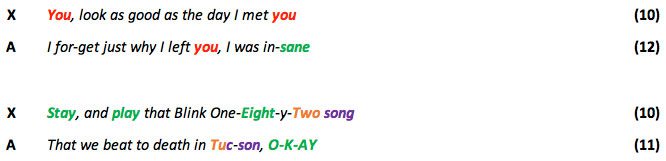
Verse 2

verse-2-rhyming-closer

Lines 1 & 2

Connection 1: “ou” rhyme

“You”: The lyric “you” appears at the beginning of line 1 and is followed by a prolonged rest, just as “hey” is in the first verse. As a result, it stands out independently in the scope of the section. Another “you” appears at the end of the line, as well as toward the end of line 2.

Non-Rhymer: “in-sane”

The last lyric on line 2, “in-sane,” doesn’t rhyme with the other lyrics on lines 1 and 2. However, it is connected to lines 3 and 4 that follow. See below.

Another way of looking at the scheme

As is the case with verse 1, due to the phrasing lines 1 and 2 can be broken into four individual segments, providing it with an AAAB scheme:

  • Segment 1 (A): “You”
  • Segment 2 (A): “look as good as the day I met you”
  • Segment 3 (A): “I for-get just why I left you”
  • Segment 4 (B): “I was in-sane”
Lines 3 & 4

Line 3 / Line 2 connection: “ay”

Line 3 features three iterations of the “ay” rhyme, which connects it to line 2 (“in-sane”).

As is the case with lines 1 and 2 in the first verse, lines 3 and 4 in the second verse are connected by two differentiated rhymes due to the clever manner in which they’re phrased.

Line 3 & 4 Connection: “ay” and “on” rhymes

Connection 1: “ay” rhyme

“Stay” and “o-kay”: “Stay” appears at the beginning of line 3 but is followed by a prolonged rest. As a result, it stands out independently in the scope of the section. “O-kay” appears at the end of line 4.  Note that both verse sections cleverly conclude with differentiated “o-kay” lyrics. Verse 1 features “o-kay,” while verse two features the state abbreviation, “O-K.”

Connection 2: “on” rhyme

“Song” and “Tuc-son”: In between the aforementioned “ay” sounding rhymes, the lyric “song” appears at the end of line 3, which connects it to the lyric “Tuc-son” toward the end of line 4. Note that the lyric “Tuc-son” is prolonged compared to the lyrics/syllables that directly precede and follow it (i.e. eighths vs sixteenths), which accentuates the connection factor.
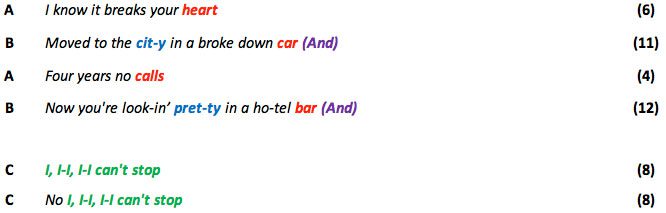
Pre-Chorus

pre-chorus-rhyming-closer

*Note: The lyrics above represent pre-chorus 1. Pre-chorus 2 features a couple of changed up lyrics due to the P.O.V. shift that takes place, but does not affect the core rhyme scheme.

Lines 1 – 4

Primary connection: “ahr” rhyme

Lines 1 – 4 are connected by the “ahr” sounding rhyme at/near the end:

  • Line 1: “heart”
  • Line 2: “car”
  • *Line 3: “calls”
  • Line 4: “bar”

*Note that the lyric “calls” is loosely connected to the other rhymers due to the manner in which it’s sung.

Clever phrasing connection: “and”

From a lyrical standpoint, the lyric “and” should technically appear at the beginning of lines 3 and 5. However, due to the manner in which lines are phrased, they’re tied in with lines 2 and 4. As a result, they put an A’ scheme into effect on these lines.

Secondary connection: “itty”

Lines 2 and 4 are further connected by the “itty” sounding commonality that appears midway through each in the lyrics “cit-y” and “pret-ty.”

Lines 5 & 6

Lines 5 and 6 feature a BB scheme as opposed to the AA’AA’ scheme that defines lines 1 – 4. Lines 5 and 6 are almost identical, save for the lyric “no” that appears at the beginning of line 6.
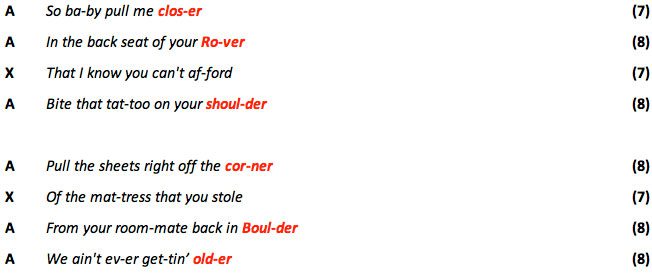
Chorus

chorus-rhyming-closer

Overview

The chorus features an AAXA / AXAA rhyme scheme. Note that the line breakdown above technically reflects individual phrases, but are classified as individual lines for analysis purposes. The “proper” lyric structure would consist of 4 lines as opposed to 8 as follows:

Line 1: “So ba-by pull me clos-er in the back seat of your Ro-ver that I know you can’t af-ford.”
Line 2: “Bite that tat-too on your shoul-der”
Line 3: “Pull the sheets right off the cor-ner of the mat-tress that you stole from your room-mate back in Boul-der.”
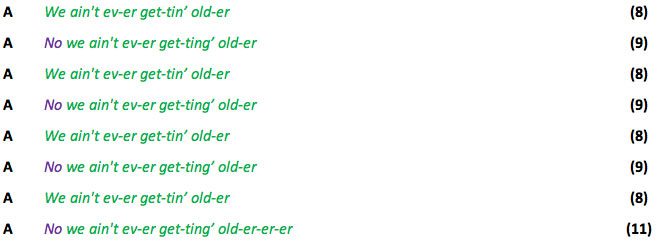
Line 4: “We ain’t ev-er get-tin’ old-er”

Lines 1, 2, 4, 5, 7, 8

Primary connection: “er” rhyme

Each line within the chorus save for lines 3 and 6 are connected by “er” rhyme at the end. Notice that certain lyrics feature other rhyme commonalities as well, and all consist of two syllables.

  • Line 1: “Clos-er”
  • Line 2: “Ro-ver”
  • Line 4: “Shoul-der”
  • Line 5: “Cor-ner”
  • Line 7: “Boul-der”
  • Line 8: “Old-er”

Non-rhymers

“Af-ford”:

Along with the eighth rest that follows, the break in the scheme due to the lyric “af-ford” brings the interrelated first three-phrase run to a conclusion:

“So ba-by pull me clos-er in the back seat of your Ro-ver that I know you can’t af-ford.”

“Stole”:

The non-rhymer, “stole,” is also followed by an eighth rest. However, in contrast to the lyric “af-ford,” it doesn’t bring the three-phrase run to a conclusion.

“Pull the sheets right off the cor-ner of the mat-tress that you stole from your room-mate back in Boul-der.”

Vocal Break

vocal-break-rhyming-closer

Overview

The vocal break section simply features the repetition of the lyrics “we ain’t ever getting’ older.” The primary difference between the odd and even lines is the addition of the lyric “no” at the beginning of the even lines. Additionally, the syllable “er” in “old-er” is repeated an additional two times at the end of line 8.

Song Title

Clever/Powerful or Universal/Generic

Song titles fall within one of two categories – those that are unique, clever, attention grabbing and/or possess a powerful nature (e.g. “7 Years”, “Cake By The Ocean,” “I Took A Pill In Ibiza”), and those that possess more of a universal/generic characteristic (e.g. “Can’t Stop The Feeling”, “Like I’m Gonna Lose You”).

Closer is on the generic end of the spectrum.

Song Title Appearances and Placement

Closer appears only three times in the entire song. It’s featured as the last lyric in the first line/phrase of each chorus section:

Chorus

Line 1: So baby pull me closer
Line 2: In the back seat of your Rover
Line 3: That I know you can’t afford
Line 4: Bite that tattoo on your shoulder
Line 5: Pull the sheets right off the corner
Line 6: Of the mattress that you stole
Line 7: From your roommate back in Boulder
Line 8: We ain’t ever gettin’ older

Song Title Impact Accentuators

In contrast to many other Top 10 hits that have one or more characteristics that accentuate the impact of the song title (i.e. placement, repetition, standout melody, etc.), Closer has none. Furthermore, the title gets lost in the mix, considering that there is nothing that sets it apart from the other lyrics in the section:
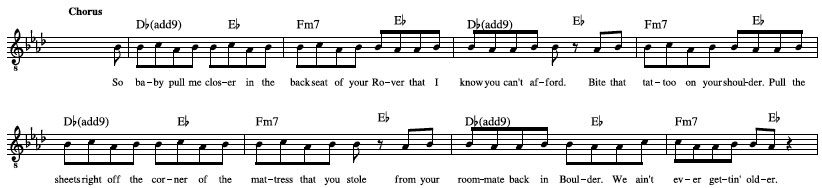
chorus-1-sheet-vocals-closer

Without having prior knowledge of the song title, one might be more apt to think after a first listen that the title is We Ain’t Ever Getting’ Older or something to that effect due to the following reasons:

It appears as the very last phrase in each chorus section.

It’s the only phrase that’s repeated in the instrumental break sections:
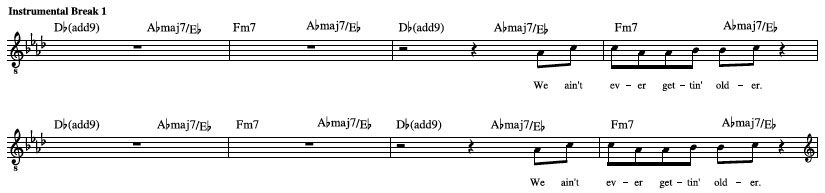
instrumental-break-1-sheet-vocals-closer

With the exception of the lyric “no,” it’s the only phrase that’s repeated in the vocal break section:
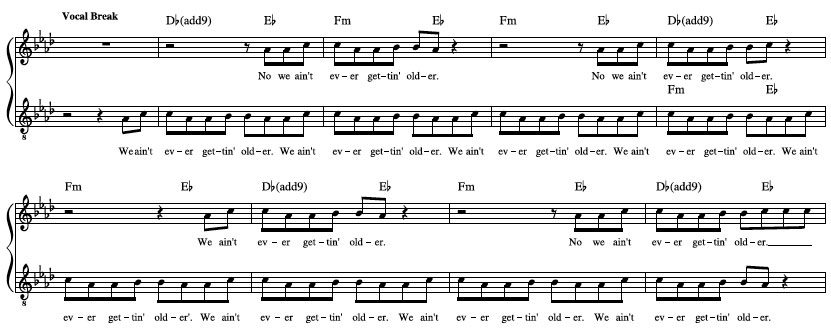
vocal-break-1-sheet-vocals-closer

Word Cloud


word-cloud-2-closer

Story Flow & Meaning


Overview

Closer is a love/relationship and hooking up-themed song about two exes who were involved in a relationship, broke up, and ran into one another after a four-year hiatus. Despite the issues that led to their breakup, the attraction between the two of them is still mutual, and culminates with them hooking up in the chorus.

Per a tweet from The Chainsmokers:
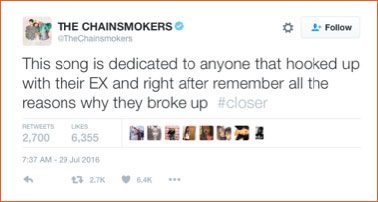
tweet-closer

Narrative Structure: At-A-Glance

Key

Green Font: The protagonist is communicating
Red Font: The antagonist is communicating
Blue Font: The protagonist and antagonist are communicating concurrently

narrative-chart-revised-closer

Verse 1

Line 1: Hey, I was doin’ just fine before I met you
Line 2: I drink too much and that’s an issue, but I’m okay

Line 3: Hey, you tell your friends it was nice to meet them
Line 4: But I hope I never see them again

Stage in the Narrative

Stage 1: Pre-hook up

  • Encounter between the protagonist and antagonist
  • The state of the protagonist (lines 1, 2)
  • Protagonist and antagonist being left alone (lines 3, 4)

Scene

  • Hotel Bar (established in the pre-chorus). The protagonist is hanging out with the antagonist and her friends.

P.O.V.

  • Protagonist

Communication Direction

  • The protagonist is communicating to the antagonist and being introspective

Premise

The first verse depicts two exes – the protagonist and antagonist – and their first encounter after a four-year hiatus, as brought to light later in the song. The first two lines pertain to the state of the protagonist, where the listener can deduce the following:

Lines 1 & 2

Line 1: The first line in the song has two possible interpretations:

  • Interpretation 1: The protagonist had moved on following the breakup with the antagonist (established later in the song), and was doing “just fine” in his life. However, seeing the antagonist again has quite possibly stirred up some of those old emotions, and he’s not doing so “fine” anymore (i.e. “Hey, I was doin’ just fine BEFORE I met you.”)
  • Interpretation 2: The line provides detail about the protagonist PRIOR to them getting involved in a relationship.

Line 2: The protagonist “drinks too much” – knows it’s an “issue” – but he’s “ok” with it. Note that this development has two possible implications in the scope of the narrative – that he still copes with their breakup by “drinking too much,” and/or that his drinking possibly led to her breaking up with him.

Lines 3 & 4

The last two lines in the section are also connected. They advance the narrative to the end of the first stage of the encounter, where the protagonist is hanging out with the antagonist and her friends in a hotel bar. The listener can deduce:

  • The antagonist’s friends have just left, leaving the protagonist and antagonist by themselves. The protagonist is being polite by stating, “tell your friends it was nice to meet them,” though he’s really be sarcastic as depicted on the line that follows, “but I hope I never see them again.”
Pre-Chorus 1

Line 1: I know it breaks your heart
Line 2: Moved to the city in a broke down car
Line 3: And four years, no calls

Line 4: Now you’re lookin’ pretty in a hotel bar
Line 5: And I, I, I can’t stop
Line 6: No, I, I, I can’t stop

Stage in the Narrative

Stage 2: Pre-hook up

  • Protagonist relationship breakup review (lines 1, 2, 3)
  • Protagonist’s attraction toward and desire to hook up with the antagonist (lines 4, 5, 6)

Scene

  • Hotel Bar. The protagonist is alone with the antagonist (i.e. her friends have left)

P.O.V.

  • Protagonist

Communication Direction

  • The protagonist is communicating to the antagonist and being introspective

Premise

Following the first verse, the first pre-chorus advances the narrative by depicting the protagonist and antagonist being alone with one another in the hotel bar (remember – her friends left at the end of the first verse). The first three lines find the protagonist revisiting their breakup, where the listener learns:

  • Line 1: The protagonist assumes that the antagonist’s “heart was broken” due to the breakup coupled with the prolonged period of silence between them.
  • Line 2: One of them left the other and “moved to the city in a broke down car.” However, the listener won’t know who left who until later in the song.
  • Line 3: The protagonist and antagonist haven’t been in touch for a lengthy period of time – four years.

The three lines that follow (lines 4, 5, 6) further advance the narrative by prepping the hookup summation that follows in the chorus.

  • Line 4: Despite the breakup and long period of not being in touch, the protagonist is still attracted to the antagonist.
  • Lines 5 & 6: The protagonist is unable to resist the urge to hook up with the protagonist.
Chorus

Segment 1

Line 1: So baby pull me closer
Line 2: In the back seat of your Rover
Line 3: That I know you can’t afford

Segment 2

Line 4: Bite that tattoo on your shoulder

Segment 3

Line 5: Pull the sheets right off the corner
Line 6: Of the mattress that you stole
Line 7: From your roommate back in Boulder

Segment 4

Line 8: We ain’t ever gettin’ older

Stage in the Narrative

Stage 3: Hook up

  • Hookup-Setup (lines 1, 2, 3)
  • Hookup-Foreplay (line 4)
  • Hookup-Sex and reminiscing (lines 5, 6, 7)

Scene

  • Backseat of the antagonist’s Range Rover (lines 1, 2, 3, 4)
  • In the antagonist’s bed (assumed – lines 5, 6, 7)

P.O.V.

  • Protagonist (chorus 1, 3)
  • Protagonist and antagonist (chorus 2)

Communication Direction

The protagonist is communicating to the antagonist based on the lyrical content. However, note that in the second chorus the vocal is a harmonized duet between the protagonist and antagonist, so the core feeling between them is mutual.

Premise

Following the “I can’t stop” hook up lead-in at the end of the pre-chorus, the summation of the narrative is reached in the chorus (i.e. the hook up is achieved). It is essentially composed of four narrative segments, each of which consists of one or more lines. Each segment cleverly traverses a different stage of the hookup, followed by the lyrical payoff at the end (which in this case ISN’T the song title as one would typically expect).

Segment 1

Since the protagonist and antagonist “can’t stop” as depicted in pre-choruses 1 and 2, respectively (i.e. contain themselves from wanting to hook up), the hookup is set in motion in the first segment of the chorus:

Line 1: So baby pull me closer
Line 2: In the back seat of your Rover
Line 3: That I know you can’t afford

Note that each line is lyrically intertwined and melodically flows from one into the next without a pause (technically they’re three phrases of one complete line – reference the Vocal Melody section of the report for melodic details). The following is established:

Hook up initiation:

  • Setting: The “back seat of the Rover.”
  • Action: “pull me closer”

Note that while the title lyric, “closer,” doesn’t function as a hook or provide the same type of summation/payoff that “we ain’t ever gettin’ older” does, it does sum up the overall mutual feelings between the protagonist and antagonist – they want to be “closer” with one another – at least one more time.

The pretentiousness of the antagonist as perceived by the protagonist:

  • “…of your Rover (i.e. Range Rover) that I know you can’t afford.”

This line cleverly takes a jab at the antagonist, and might be evidence of one of the underlying issues that led to the downfall of the relationship still remaining today. Additionally, it provides the section with a clever twist that heightens its depth and engagement value.

Segment 2

This segment, which is composed of line 4, puts the hookup into action via the foreplay in the back seat of the “Rover”:

Line 4: Bite that tattoo on your shoulder

Segment 3

In the third segment, the listener can deduce that the protagonist and antagonist decided to take the tryst that began in the back seat of the antagonist’s Rover to the next level in the antagonist’s house or apartment.

Line 5: Pull the sheets right off the corner
Line 6: Of the mattress that you stole
Line 7: From your roommate back in Boulder

The hookup has now progressed from initiation – “moving closer” (segment 1), to foreplay – “biting the tattoo” (segment 2), to sex (segment 3). Notice that sex is only inferred and never outright stated via “pull the sheets right off the corner of the mattress…”

Additionally, more detailed information about the antagonist is cleverly intertwined within the narrative via “of the mattress that you stole from your roommate back in Boulder.” This establishes a specific place (i.e. Boulder, CO), infers a time (i.e. youth – living with a roommate). As a result, the listener’s connection with the character is heightened, as is the overall narrative.

Segment 4

The last line in the chorus functions as the section’s, and the song’s, primary lyrical hook, summation, and payoff:

Line 8: We ain’t ever gettin’ older

Communicated at times by both the protagonist and antagonist, it highlights their desire to relive the good times from years past, and remain in that time for as long as they can.

Verse 2

Line 1: You, look as good as the day I met you
Line 2: I forget just why I left you, I was insane

Line 3: Stay, and play that Blink-182 song
Line 4: That we beat to death in Tucson, OK

Stage in the Narrative

Stage 4 – Post-hook up

  • The antagonist’s attraction to the protagonist (line 1)
  • Breakup introspection (line 2)
  • Desire to continue the tryst and reminiscing about old times with the protagonist (lines 3 and 4)

Scene

  • In the antagonist’s house or apartment

P.O.V.

  • Antagonist

Communication

  • The antagonist is communicating to the protagonist and being introspective

Premise

In contrast to the first verse which features the protagonist communicating PRE-HOOK UP, the second verse features the antagonist communicating POST-HOOK UP, considering that the hook up has already taken place in the preceding chorus.

The first two lines depict the antagonist’s attraction to the protagonist, and her forgetfulness as to the reason WHY she left the protagonist. The listener can deduce that his looks and the hookup that just occurred outweigh the issues that caused their relationship to come to an end – at least for her (accentuated by the lyrics “I was insane”). Additionally, note that this is the first time in the song where the listener finds out that it was the antagonist who left the protagonist.

The last two lines in the section expound on the premise that was established on the first two lines:

  • The antagonist wants the protagonist to “stay.”
  • The antagonist wants to relive their old times together, hence the statement to the protagonist “play that Blink 182 song that we beat to death in Tucson, OK.” This additional insight into the backstory of the characters heightens the engagement value for the listener due to the additional depth it provides.
Pre-Chorus 2

Line 1: I know it breaks your heart
Line 2: I moved to the city in a broke down car
Line 3: And four years, no calls
Line 4: And now I’m lookin’ pretty in a hotel bar

Line 5: And I, I, I can’t stop
Line 6: No, I, I, I can’t stop

*The bold/red lyrics depict additional or changed up lyrics in the section that shift the narrative from Taggart to Halsey.

Stage in the Narrative

Stage 2 – Pre-hook up

  • Antagonist relationship breakup review (lines 1, 2, 3)
  • Self-attraction realization and desire to hook up with the protagonist (lines 4, 5, 6)

Scene

  • Hotel Bar (The antagonist is hanging out with just the protagonist).

P.O.V.

  • Antagonist

Communication

  • The antagonist is communicating to the protagonist and being introspective.

Premise

The second pre-chorus is lyrically almost identical to the first pre-chorus, and harkens back to the initial encounter between the protagonist and antagonist following a four-year hiatus. There are two key differences between the two pre-chorus sections:

  • The second pre-chorus is communicated from the antagonist’s P.O.V.
  • The second pre-chorus features two minor, albeit important, lyrical changeups on lines 2 and 4.

Lyrical Changeups

Line 2: I moved to the city in a broke down car

In the first pre-chorus, the protagonist states, “moved to the city in a broke down car.” However, there is no indication of who actually moved. In the second pre-chorus it’s brought to light that it was the ANTAGONIST due to the inclusion of the lyric “I.” This one lyric provides an important development in the narrative, and further engrosses the listener in the storyline as a result.

Additionally, note the importance of the lyrics “broke down car.” This cleverly provides additional contrast between the way that the antagonist USED TO BE (i.e. being “real” with her life situation), and HOW SHE CURRENTLY IS (i.e. being pretentious by driving the “Rover that she can’t afford”).

Line 4: And now I’m lookin’ pretty in a hotel bar

In the first pre-chorus, the protagonist states, “now you’re lookin’ pretty in a hotel bar,” which is one of the key factors that leads to the hookup in the chorus. In the second pre-chorus, the antagonist substantiates this fact about herself by changing up the first three lyrics to “and now I’m,” demonstrating her self-assuredness.

Additionally, note that the antagonist doesn’t change up the lyrics to something of the effect of “now you’re lookin’ handsome in a hotel bar,” to compliment the protagonist’s statement about her in the first pre-chorus. However, she ALREADY communicated that sentiment in the second verse via “you, look as good as the day I met you.” If she stated it again here, it could have been redundant.

Together, these subtle lyrical changeups on lines 2 and 4 adjust the narrative to fit the antagonist’s P.O.V. (as well as Halsey’s featured vocal in the song), provide an important development in the narrative, and essentially further engross the listener in the song.

Additional views from the antagonist’s side

In addition to the aforementioned lyrical changeups, the fact that the same lyrics from the first pre-chorus (the protagonist’s P.O.V.) are being communicated by the antagonist in the second pre-chorus provide the following additional insight:

  • Line 1: In the first pre-chorus, it’s the protagonist who tells the antagonist “I know it breaks your heart.” In the second pre-chorus, it’s the antagonist conveying to the antagonist that she knows that she broke HIS heart. Ultimately, they both acknowledge that they broke each other’s hearts.
  • Line 3: Here the antagonist substantiates that she hasn’t been in touch with the protagonist for four years, as initially conveyed by the protagonist in the first pre-chorus. This general statement keeps the blame assigned to both of them – either one of them might have been expecting the other to call, but it never happened.
  • Lines 5 & 6: The antagonist is unable to resist the urge to hook up with the protagonist. Note that this was initially communicated by the protagonist in the first pre-chorus.

Ultimately, both pre-chorus sections show that the protagonist and antagonist are on the same page with one another:

  • They both had their hearts broken.
  • They both didn’t pick up the phone to reconnect for four years
  • They both still want to hook up
Instrumental Break & Vocal Break

(No) We ain’t ever gettin’ older
Line 2: We ain’t ever gettin’ older

Both the instrumental break and vocal break sections simply reiterate the “we ain’t ever gettin’ older” phrase from the chorus. Communicated at times by both the protagonist and antagonist, it highlights their desire to relive the good times from year’s past, and remain in that time for as long as they can.

Benchmark

This section compares Closer to the 17 songs that landed in the Billboard Hot 100 Top10 during Q3-2016
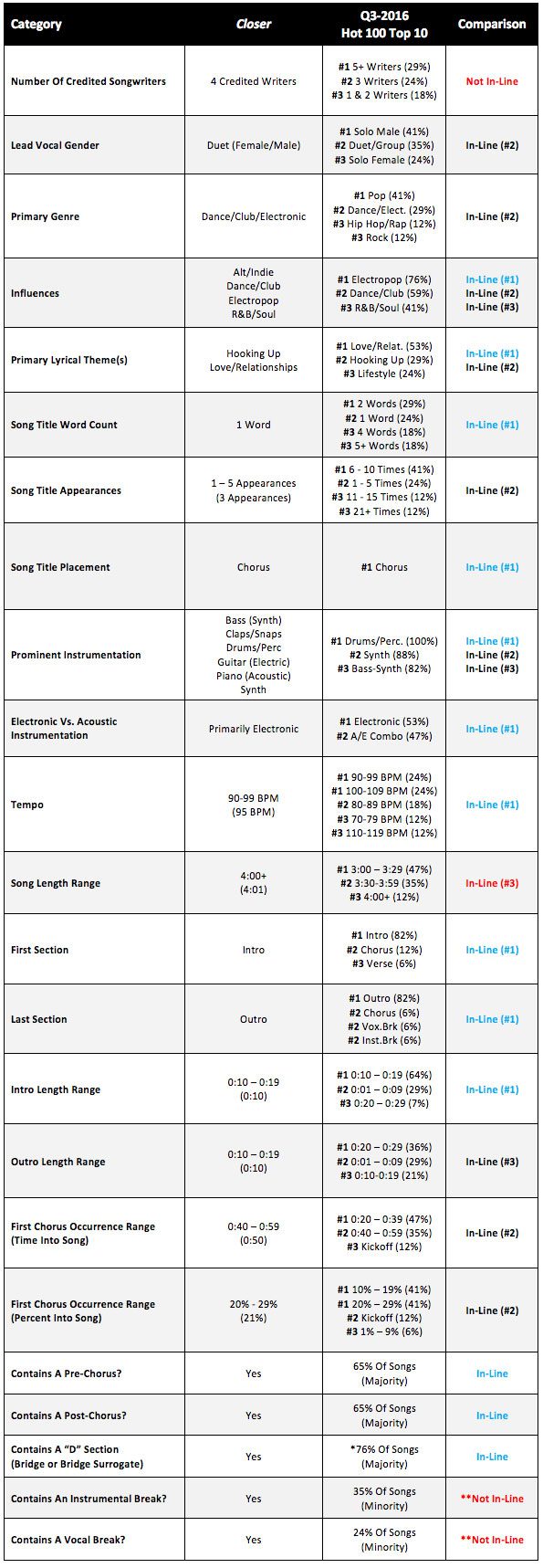
benchmark-chart-closer

*“D” Section: The sum of bridge and bridge surrogates – sections that provide a pronounced departure around two-thirds of the way into a song.

**60% (majority) of songs in the Dance/Club/Electronic primary genre contain an instrumental break or vocal break in their framework

Familiarity Factors

Closer shares the following compositional characteristics that were most popular among the 17 songs that charted in the Hot 100 Top 10 during Q3-2016. The commonalities make it easier for a mainstream audience to connect with the song, especially in an airplay environment due to the familiarity they impart (i.e. the song isn’t coming out of left field which would cause the listener to have to work at connecting with the song).

Top Characteristics

Closer being in-line with the most popular (#1) characteristics of Q3-2016’s Top 10 charting hits:

  • Influences: Electropop
  • Lyrical Themes: Love/Relationships
  • Song Title Word Count: One word
  • Song Title Placement: Chorus
  • Prominent Instrumentation: Drums/Perc
  • Electronic Vs. Acoustic Instrumentation: Primarily Electronic
  • Tempo: 90 – 99 BPM Range (95 BPM)
  • First Section: Intro
  • Intro Length: 0:10 – 0:19 range (0:10)
  • Contains a Pre-Chorus: Yes
  • Contains a Post Chorus: Yes
  • Contains a “D” Section: Yes
  • Last Section: Outro
Runners Up (#2 most popular characteristics)
  • Lead Vocal: Duet/Group (Female/Male)
  • Primary Genre: Dance/Club/Electronic
  • Influences: Dance/Club
  • Lyrical Themes: Hooking Up (in addition to Love/Relationships)
  • Song Title Appearances: 1 – 5 Appearances (3)
  • Prominent Instrumentation: Synth
  • First Chorus Occurrence – Time into Song: 0:40 – 0:59 range (0:50)
  • First Chorus Occurrence – Percent into Song: 20% – 29% range (21%)
  • Non-Popular Characteristics
  • Credited Songwriters: Four writers (12% of songs)
  • Song Length: 4:00+ range (12% of songs)
Standing Out
  • Alt/Indie: While not exceptionally popular, Alt/Indie has been an influence on the rise in the Hot 100 Top 10. The charge has been led by The Chainsmokers and Twenty One Pilots, with other representative hits such as Don’t Let Me Down, Ride, and Heathens.
  • Instrumental & Vocal Breaks: While not exceptionally popular in the overall Top 10 (accounting for 35% and 24% of songs, respectively), the infectious instrumental break and vocal break post chorus sections provide Closer with additional stand-out characteristics compared to the majority of its mainstream contemporaries. However, note that these characteristics are in the MAJORITY in the Dance/Club/Electronic primary genre, of which Closer is a representative of.
  • Hook Recycling: Most Top 10 hits DO NOT recycle the same hook nearly verbatim in each section of the song. However, this is one of the key standout factors of Closer. As a result, the hook, and the song, gets completely ingrained in the listener’s head. However, the shift in timbre and instrumental/vocal delivery throughout keeps it fresh and engaging despite the copious repetition.
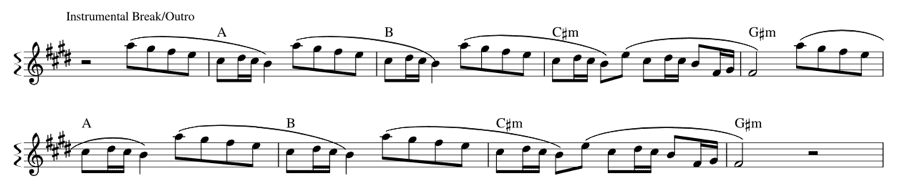
...
[ssba]
Back to Top

We Don’t Talk Anymore Deconstructed

To read this report, please log in.

Log in

If you don't have an active subscription, please fill out the form below to receive one-week complimentary access to Hit Songs Deconstructed Reports and the
IMMERSION database.

Click here to print


We Don’t Talk Anymore is the third single released from Charlie Puth’s debut studio album, Nine Track Mind. It was written by Puth, Jacob Kasher, and the song’s featured artist, Selena Gomez.

This meticulously well-crafted song is a playbook of hit songwriting techniques. It features an outro that is a clever hybrid of the song’s three most infectious sections – the pre-chorus, chorus, and instrumental break. The engaging duet structure between Puth and Gomez accentuates the impact of the narrative, and its effective genre/influencer blend capitalizes on some of the hottest trends in today’s mainstream music scene.

In this report we dive into all of these hit songwriting techniques and much more.

Back to Top
Skip to:


At a Glance


Artist: Charlie Puth featuring Selena Gomez
Song: We Don’t Talk Anymore
Songwriters: Charlie Puth, Jacob Hindlin, Selena Gomez
Producer: Charlie Puth
Record Label: Atlantic

Genre: Pop
Sub Genres/Influencers: Dance/Club, Electropop, World (Reggae/Tropical/Dancehall), Singer/Songwriter, R&B/Soul, Trap/Snap/Crunk
Length: 3:03
Structure (Core Form): B-A-B-A-B-IB-B
Key: C# Minor

Tempo: 100 BPM
First Chorus: Kickoff (0:00)
Intro Length: N/A
Electronic vs. Acoustic: Electronic/Acoustic Combo
Prominent Instrumentation: Bass (Synth), Claps, Guitar (Acoustic), Drums/Perc, Synth, Mallets, Electric Guitar
Primary Lyrical Theme(s): Love/Relationships
Title Appearances: We Don’t Talk Anymore appears 19 times in the song
Lyrical P.O.V: 1st and 2nd 

Overview, Highlights & Takeaways


Hooks & Payoffs
Primary Instrumental Hook

The lead synth featured in the instrumental break post chorus and outro delivers We Don’t Talk Anymore’s primary instrumental hook. It possesses a vocal characteristic, similar in timbre to the synths found in other recent Top 10 hits such as Major Lazer’s Lean On featuring MØ, and Seeb’s remix of Mike Posner’s I Took a Pill in Ibiza. It has an exotic, “snaking” vibe, recalling sounds of flutes in the Middle East, which provides the song with an additional World influence.

Its repetitive A-A-A-B phrase structure coupled with the simplicity of the progression and unique timbre in the song enables this hook to easily stand out, connect, and get ingrained in the listener’s head.

synth 4

Primary Vocal/Lyrical Hook

The song title We Don’t Talk Anymore functions as both the song’s primary lyrical hook and vocal hook.

Song Title Vocal Hook Impact Accentuators
Chorus Vocal Repetition/Contrast and Non-Title Vocal Melody Reinforcement

In the first stanza/part X of the chorus, the song title hook is repeated three consecutive times in a very similar manner. This, coupled with the half rest that follows the first two occurrences enables the title hook to easily connect and resonate with the listener.

chorus-1-1-parts-wdta

The second stanza/part Y features an almost identical melodic structure as part X, save for the “oo-ooh” vocal that follows line 2. However, note that the lyrics are different on lines 1 and 2. Despite the lyrical differences, the song title hook melody is further reinforced with the listener.

chorus-1-2-parts-wdta

Vocal Delivery / Assignments

The song title hook vocal duties are changed up throughout the song, which helps to keep it fresh and engaging despite its repetitive characteristics:

  • Chorus 1: Puth
  • Chorus 2: Puth
  • Chorus 3: Puth and Gomez (Gomez is at the forefront of the mix)
  • Chorus 4: Puth and Gomez
  • Outro: Puth and Gomez (Puth is at the forefront of the mix. Gomez enters on the very last line)
Outro Reinforcement

The song title hook is conveyed by Puth in both a similar and infectiously changed up manner in the outro compared to the chorus sections. As a result, the similarity reinforces the hook with the listener, while the differences helps keep it fresh and engaging – in addition to providing Puth with another opportunity to show off his vocal chops.

Outro-1-1-parts-wdta

Additionally, the final “we don’t talk anymore” statement in the song is conveyed by both Puth and Gomez concurrently. Gomez’s vocal is spoken, heavily effected, and possesses a telephone / answering machine effect, which is unique in the scope of the song.

Sectional Payoffs

The chorus functions as the song’s primary sectional payoff, as it is arguably the most infectious, engaging, and memorable section of the song, and provides the summation of the narrative. However, the instrumental break post chorus and outro are exceptionally infectious and satisfying as well, and serve as secondary payoffs in the scope of the song.

Structure: Overview

Form: At its core, We Don’t Talk Anymore follows a B-A-B-A-B-IB-B form (chorus – verse – chorus – verse – chorus – instrumental break – chorus). It contains pre-chorus and outro sections in its framework as well. What it DOESN’T contain is an intro or narrative-advancing bridge. Additionally, the instrumental break section that follows the second chorus serves as an infectious post chorus due to the additional hook that it houses. Full Form: B / A-PC-B / A-PC-B / IB-PC-B-O

Section Length: Each full section in the song is ~20 seconds/8 bars long, and broken into two ~10 second/4-bar parts/stanzas.

Sectional Time Allocation: As is typically the case in mainstream hits, the chorus is allocated the greatest amount of time relative to all of the other sections, comprising 36% of We Don’t Talk Anymore’s total composition. The pre-chorus follows at 27% (9% less than the chorus), the verse at 18% (9% less than the pre-chorus), and the instrumental break and outro both at 9% (9% less than the verse).

First Chorus Appearance: We Don’t Talk Anymore kicks off with the chorus. As a result, the listener is immediately introduced to the song’s primary sectional payoff and vocal/lyrical hooks.

Sectional Segmentation: Many Top 10 hits break longer-length sections into shorter segments (i.e. parts/stanzas) to help keep the engagement factor at a high through the introduction of changed up or new material. In We Don’t Talk Anymore, this is put into effect in each section of the song. Each part/stanza pair possesses both similar and contrasting characteristics relative to one another, which ensures that the memorability factor of the full section is kept at a high, while at the same time preventing things from becoming overly monotonous.

Atypical Third Pre-Chorus / Sectional Departure

The majority of songs that land in the Hot 100 Top 10 contain two pre-chorus sections in their framework. We Don’t Talk Anymore goes against the grain with three. The only other Top 10 hits since the beginning of 2016 that contain three pre-chorus sections in their framework are Don’t Mind, No, and Send My Love (To Your New Lover). In the case of We Don’t Talk Anymore, its unique full breakdown characteristic compared to the other pre-chorus sections provides an important departure where one would typically expect to find a bridge, along with the preceding instrumental break.

Clever/Engaging Sectional Hybrid: Outro

Of all the sections in the song, the outro is arguably the cleverest, and one of most engaging. It is essentially a hybrid of the song’s three most infectious sections – the pre-chorus, chorus, and instrumental break. As a result, the listener is left with some of the song’s most infectious and memorable elements resonating in their head at the conclusion.

Outro Accompaniment

  • Chorus: Main backing music
  • Instrumental Break: Primary instrumental hook

Outro Vocals/Lyrics

  • Pre-Chorus: The bulk of lyrics from pre-chorus 1 are sung with a heavy vocoder effect a la Daft Punk’s Get Lucky. The exception occurs at the end of each stanza, which features Selena Gomez minus the effected vocals.
  • Chorus: Puth sings the title lyrics at the beginning of the first and second stanzas, and joins together with Gomez on the last iteration of the title in the section. Additionally, the background vocal “hey” shouts from the chorus are featured as well.
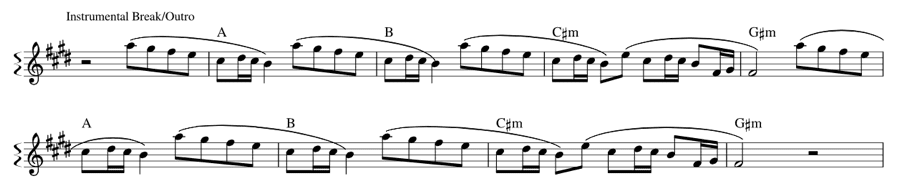
  • New Vocal/Lyrical Elements: Puth sings nonsense “oh-oh” and “whoa-oh” lyrics at the end of lines 2 and 3 in part X, and 6 and 7 in part Y.
MTI/Energy: Overview

We Don’t Talk Anymore features a high degree of dynamic variety – from low-energy breakdowns and transitional lulls to multi-sectional periods of sustained intensity. Together, they provide the listener with a highly dynamic and engaging listening experience.

The song progresses through three MTI/Energy level “waves.” Each wave begins with a relatively low energy level, and concludes with an energy level peak.

  • Wave 1: Chorus 1 – Chorus 2
  • Wave 2: Verse 2 – Instrumental Break
  • Wave 3: Pre-Chorus 3 – Outro
MTI/Energy Levels & Waveform – Section by Section

Key

A=Verse, PC=Pre-Chorus, B=Chorus, IB=Instrumental Break, O=Outro
X/Y: First Stanza/Second Stanza

mti-wdta

Multi-Sectional Sustained Intensity / Intensity Respite

In the second half of the song, the listener is kept in the high-energy/full Dance groove for two consecutive sections:

  • Chorus 3 through the Instrumental Break
  • Chorus 4 through the Outro

These two energy level peaks are broken up by pre-chorus 3, which is a breakdown (i.e. possesses a very sparse characteristic relative to other sections). Note that pre-chorus 3 is the only pre-chorus in the entire song that remains in breakdown mode throughout the entire section, as opposed to only the second half. This sustained breakdown is fitting because it is surrounded by multiple high energy sections.

Chorus Impact Accentuators

Each chorus in the song is preceded by a synth swell/lull/drum fill transition. The lull and thinned out accompaniment heightens the impact of the powerful full-accompaniment chorus that follows.
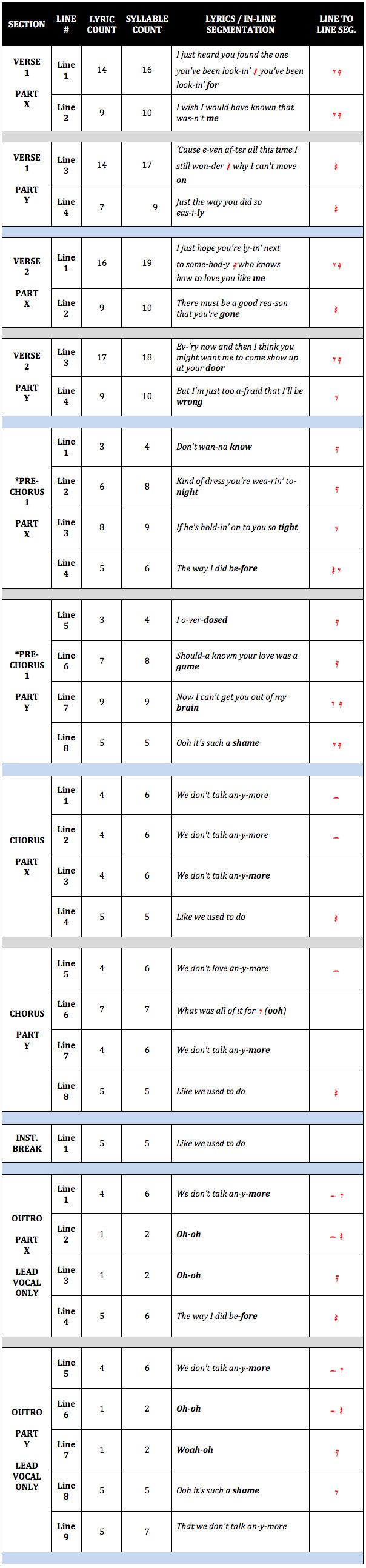
Genre, Sub-Genre & Vibe: Overview

We Don’t Talk Anymore is a Pop song with Dance/Club, Electropop, R&B/Soul, Singer/Songwriter, Trap, and World (Tropical and Middle-Eastern) influences. These influences are present in the characteristics of the vocals, backing music, or both, in specific sections and in varying degrees of prominence throughout the song.

Capitalizing on Current Trends

We Don’t Talk Anymore capitalizes on some of the hottest trends in today’s mainstream music scene, which accentuates the song’s ability to easily connect with a wide audience.

They include:

Folk, Singer/Songwriter: Put in to effect by acoustic guitar qualities similar to those found in found in Treat You Better and Stitches (Shawn Mendes), and more.

R&B/Soul: Particularly put into effect by the passionate, soulful vocals similar to those heard songs such as Pillowtalk (ZAYN), and 7 Years (Lukas Graham).

Trap: The sub bass and rapid-fire hi hats are also heard in recent hits including Don’t Let Me Down, Pillowtalk, and Work From Home.

Tropical and Dance/Club: Dance/Club-natured Tropical grooves and sounds are heard in diverse hits including Cheap Thrills, One Dance, Cold Water and Treat You Better.

Vocal Synths: Synths with a heavily pitch-processed vocal quality have been featured in big summer hits in both 2015 and 2016 including I Took A Pill In Ibiza (Mike Posner – Seeb Remix), Lean On (DJ Snake, Major Lazer, MØ), Sorry & What Do You Mean (Justin Bieber), and Where Are U Now (Jack U).

Engaging Groove Shifts

We Don’t Talk Anymore traverses through three groove levels – lite, moderate, and full, creating a dynamic and engaging ride for the listener. The level of groove is affected by the sparseness or fullness of the accompaniment in specific sections throughout the song.

Key

A=Verse, PC=Pre-Chorus, B=Chorus, IB=Instrumental Break, O=Outro
X/Y (In the header): First Stanza/Second Stanza

groove-chart-wdta-revised

The song begins with a lite groove in the first chorus, and moves into a moderate groove in the first verse and the first half (part X) of the pre-chorus once the four-on-the-floor kick is added into the mix. The groove scales back to lite in the second half of the pre-chorus, which provides the full groove chorus that follows with a greater degree of perceived impact.

The pattern then repeats in the second verse, pre-chorus, and third chorus.

Groove repetition

The instrumental break that follows the third chorus keeps the listener locked in full-groove mode, and then scales back to lite once again in the third pre-chorus, which provides engaging contrast. The song then launches back into full-groove mode once again in the fourth chorus, and remains in effect throughout the outro.

Lyrics & Title: Overview
Narrative

We Don’t Talk Anymore is a downtrodden love/relationship-themed song about two people who were involved in a relationship, broke up, still care for one another, and are trying to remain as friends or acquaintances. However, neither wants to know of the other’s new relationship exploits, hence the wrench in them still talking.

It’s communicated primarily in the past and present tense from a first and second person P.O.V. The narrative makes good use of detail and emotion, and the P.O.V. shifts between the protagonist and antagonist throughout the song makes for a highly engaging listen. Additionally, The narrative is communicated in a universal manner, which enables it to easily connect and resonate with a wide audience.

Engaging P.O.V. Shifts / Effective Duet

The impact of the narrative (and the song as a whole) is accentuated by the clever and effective structuring of the Puth (protagonist) / Gomez (antagonist) duet:

Chorus

  • Chorus 1: Protagonist
  • Chorus 2: Protagonist
  • Chorus 3: Antagonist
  • Chorus 4: Protagonist and Antagonist

Verse

  • Verse 1: Protagonist
  • Verse 2: Antagonist

Pre-Chorus

  • Pre-Chorus 1: Protagonist
  • Pre-Chorus 2: Antagonist
  • Pre-Chorus 3: Protagonist and Antagonist

Outro

  • Protagonist and Antagonist
Atypical (but effective) Pre-Chorus Narrative Development

Most Top 10 hit pre-choruses typically feature the same lyrics from occurrence to occurrence. However, that is only partially the case with We Don’t Talk Anymore. Consisting of two parts/stanzas, each pre-chorus features core lyrical similarities, but also contains changeups depending on whether the lyrics are being delivered by the protagonist or antagonist.

Pre-Chorus Commonalities

First Stanza/Part X: Each begins and ends with the same lyrics, which relate to both the protagonist and antagonist:

  • Line 1: Don’t wanna know
  • Line 4: The way I did before

Second Stanza/Part Y: Features the same lyrics from occurrence to occurrence, relating to both the protagonist and antagonist:

  • Line 5: I overdosed
  • Line 6: Shoulda known your love was a game
  • Line 7: Now I can’t get you out of my brain
  • Line 8: Ooh it’s such a shame

Pre-Chorus Differences

Lines 2 and 3 in part X of each pre-chorus relate specifically to the protagonist or antagonist:

Pre-Chorus 1 (Protagonist)

  • Line 2: Kinda dress you’re wearin’ tonight
  • Line 3: If he’s holdin’ on to you so tight

Pre-Chorus 2 (Antagonist)

  • Line 2: If you’re lookin’ into her eyes
  • Line 3: If she’s holdin’ on to you so tight

Pre-Chorus 3 (Protagonist)

  • Line 2: Kinda dress you’re wearin’ tonight
  • Line 3: If he’s givin’ it to you just right
Universal Lyrics / Easy Connectabilty

The narrative is communicated in a universal manner, which enables it to easily connect and resonate with a wide audience. Since there is no mention of specific details that relate to both the protagonist and antagonist (i.e. the specific reason for their breakup, or the specifics regarding their relationship), the listener can adapt the story to fit their own life’s circumstances.

Underlying Soap Opera Factor

Puth’s decision to feature Selema Gomez on the track was a good one beyond just what she could contribute vocally. Gomez’s fans are well aware of her relationship history with Justin Bieber, and as a result would be more intrigued to check out the song and get engrossed in the narrative to see how it possibly relates. Ultimately this will lead to increased exposure and sales of Puth’s song.

Song Title

As a title, We Don’t Talk Anymore is on the generic end of the spectrum. However, its powerful connotation coupled with the “soap opera factor” (i.e. since Selena Gomez is featured on the track, can it possibly pertain to her ex Justin Bieber?) will further pique the curiosity of the listener to check out the song.

We Don’t Talk Anymore is featured 19 times throughout the song. It appears four times in each of the song’s four chorus sections – the first three in a back-to-back manner in the first stanza/part X, and once on the second to last line in the second stanza/part Z.

Its featured three times in the outro as well – at the beginning of each stanza as well as the last line in the entire song.

Vocals: Overview
Characteristics/Processing

We Don’t Talk Anymore features a host of different vocal characteristics throughout the song. Among them are solo male (Charlie Puth), solo female (Selena Gomez), harmonized lead (Puth and Gomez), harmonized background in conjunction with the lead, and harmonized background independent of the lead. Multiple effects are employed as well, including varying degrees of reverb and delay, a vocoder effect, and a telephone / answering machine type effect. The manner in which these disparate characteristics interact throughout the song takes We Don’t Talk Anymore’s overall impact to a heightened level.

Key

A=Verse, PC=Pre-Chorus, B=Chorus, IB=Instrumental Break, O=Outro
X/Y (In the header): First Stanza/Second Stanza

Vocal-chart-wdta

Melody

The vocal melody in We Don’t Talk Anymore spans B3 to C#5. It adheres to the K.I.S.S. principal (keep it simple and singable) and features a strong blend of repetitive and contrasting characteristics, which keeps the melodies fresh, engaging and memorable throughout the song.

The chorus, as is typically the case in Top 10 hits, features the most straight-forward and repetitive melodic structure in the scope of the song. As a result, this is the section that most easily connects and resonates with the listener.

What follows is a breakdown of the melodic structure for each section in the song. As you will see, each stanza in each full section of the song possesses a very similar structure. As a result, the melody is reinforced with the listener on a pronounced level.

Key

Numbers: Each number in its respective section represents a particular motive. These motives possess either the same, or a very similar melodic structure.
(-): Divides each motive in a particular line
(/): Divides each line

Verse 1

  • First Stanza (two lines): 122 / 23
  • Second Stanza (two lines): 122 / 23

Verse 2

  • First Stanza (two lines): 122 / 23
  • Second Stanza (two lines): 142 / 23

Pre-Chorus

  • First Stanza (four lines): 1 / 2 / 2 / 3
  • Second Stanza (four lines):  1 / 2 / 2 / 3

Chorus

  • First Stanza (four lines): 1 / 1 / 1 / 2
  • Second Stanza (four lines):  1 / 1 / 31 / 2

Outro

The section is a hybrid of chorus and pre-chorus vocals. See the Vocal Melody section of the report for details.

vocal-melody-graph-full-wdta

Rhyme Schemes: Overview

We Don’t Talk Anymore features a combination of in-line, cross-line, and cross-stanza rhyme schemes, as well as repetitive lyrics – especially in the chorus. Together, they do a great job of bolstering the song’s memorability factor and engagement value.

Key

(/): Separates the first stanza from the second stanza.

  • Verse 1: XAXA
  • Verse 2: XAXA
  • Pre-Chorus: ABBX / ACCC (each pre-chorus features the same rhyme scheme despite some changed up lyrics)
  • Chorus: AAAB / AAAB
  • Outro: ABBA / ACCC
Instrumentation & Arrangement: Overview
Instrumentation

We Don’t Talk Anymore features four primary instrument types in the mix that shape its sound and vibe – guitars, bass, synths, and drums/percussion.

Bass: The bass featured in We Don’t Talk Anymore is a deep sub bass. It has a very prominent low end and hardly any top end or attack.

Drums/Perc: An assortment of drums and percussion elements are featured throughout the song. They include:

  • Cymbal (electronic)
  • Claps (acoustic)
  • Hi hats (electronic)
  • Kick (electronic) – provides the song with its driving four-on-the-floor Dance/Club rhythm.
  • Shaker (acoustic)
  • Snare (acoustic/electric hybrid)
  • Tom (acoustic)

Guitar: A fingerpicked acoustic guitar playing 16th note arpeggios is present in every section of the song. It is most prominent in the mix in the sections that feature the sparsest arrangement – the intro and the third pre-chorus. Electric guitar is featured in choruses 2, 3, & 4, the instrumental break, and the outro. It is palm muted, slightly overdriven, and plays a syncopated pattern that adds momentum to the sections in which it is featured.

Synths: A plethora of synths are used in We Don’t Talk Anymore. They include vocal-based synths, leads, keyboards, mallets and more. They provide the song with its Electropop influence and their respective qualities are in tune with the current state of the mainstream music scene.

WDTA - Arrangement

Song Structure


Timeline

Timeline-wdta

Form

At its core, We Don’t Talk Anymore follows a B-A-B-A-B-IB-B form (chorus – verse – chorus – verse – chorus – instrumental break – chorus). It contains pre-chorus and outro sections in its framework as well. What it DOESN’T contain is an intro or narrative-advancing bridge.

Full Form: B / A-PC-B / A-PC-B / IB-PC-B-O

Post Chorus & Bridge Surrogates

The instrumental break that directly follows the second chorus serves as an infectious post chorus due to the additional hook that it houses. Additionally, the instrumental break and ensuing breakdown third pre-chorus function as “bridge surrogates” due to the departure they provide where one would typically expect to find a narrative-advancing bridge.

Structural Flow/Grouping

We Don’t Talk Anymore kicks off with the chorus and is directly followed by a 2x repeat of a verse – pre-chorus – chorus sectional progression. Following the third chorus, a differentiated sectional progression consisting of instrumental break – pre-chorus – chorus – outro ensues, followed by the song coming to its conclusion.

Section Length & Count

Section Length-wdta

Section Count

We Don’t Talk Anymore contains 11 sections in its framework. Each is composed of two parts/stanzas, which are denoted as part X and Y throughout the report.

Sections
  • Two verse sections
  • *Three pre-chorus sections
  • Four chorus sections
  • One instrumental break (post chorus) section
  • One outro

*We Don’t Talk Anymore is one of only four Top 10 hits since the beginning of the year that contain three pre-chorus sections in their framework. The others are Don’t Mind, No, and Send My Love (To Your New Lover).

Section Length

Each full section in the song is ~20 seconds/8 bars, broken into two ~10-second/4-bar parts/stanzas.

Accentuating Engagement Through Contrast & Segmentation

Many Top 10 hits break longer-length sections into shorter segments (i.e. parts/stanzas) to help keep the engagement factor at a high through the introduction of changed up or new material. In We Don’t Talk Anymore, this is put into effect in each section of the song. Each part/stanza pair possesses both similar and contrasting characteristics relative to one another, which ensures that the memorability factor of the full section is kept at a high, while at the same time preventing things from becoming overly monotonous.

Reference the Vocal and Music sections of the report for details.

Total Section Breakdown
total section-wdta

As is typically the case in mainstream hits, the chorus is allocated the greatest amount of time relative to all of the other sections, comprising 36% of We Don’t Talk Anymore’s total composition. The pre-chorus follows at 27% (9% less than the chorus), the verse at 18% (9% less than the pre-chorus), and the instrumental break and outro both at 9% (9% less than the verse).


MTI (Momentum/Tension/Intensity)/Energy


mti-wdta

This section of the report focuses on the MTI/Energy (momentum, tension, intensity) and sonic levels in each section of the song.

We Don’t Talk Anymore features a high degree of dynamic variety – from low-energy breakdowns and transitional lulls to multi-sectional periods of sustained intensity. Together, they provide the listener with a highly dynamic and engaging listening experience.

The song progresses through three MTI/Energy level “waves.” Each wave begins with a relatively low energy level, and concludes with an energy level peak.

  • Wave 1: Chorus 1 – Chorus 2
  • Wave 2: Verse 2 – Instrumental Break
  • Wave 3: Pre-Chorus 3 – Outro
Multi-Sectional Sustained Intensity

In the second half of the song, the listener is kept in the high-energy/full Dance groove for two consecutive sections:

  • Chorus 3 – Instrumental Break
  • Chorus 4 – Outro

These two energy level peaks are broken up by pre-chorus 3, which is a breakdown (i.e. possesses a very sparse characteristic relative to other sections). Note that pre-chorus 3 is the only pre-chorus in the entire song that remains in breakdown mode throughout the entire section, as opposed to only the second half. This sustained breakdown is fitting because it is surrounded by multiple high energy sections.

Chorus Impact Accentuators

Each chorus in the song is preceded by a synth swell/lull/drum fill transition. The lull and thinned out accompaniment heightens the impact of the powerful full-accompaniment chorus that follows.

Wave 1: Chorus 1 (B-1) – Chorus 2 (B-2)
Chorus 1

We Don’t Talk Anymore’s first chorus features the lowest overall energy level in the entire song. This is due to the sparse arrangement, consisting of Puth’s tender, fragile vocal, claps, and a few synths that play a subtle role in the mix. However, note that the downtrodden lyrics (i.e. “we don’t talk anymore”) coupled with Puth’s delivery provides the section with an underlying tense of tension.

chorus-1-waveform-wdta

Verse 1

The MTI/Energy level is kicked up in the first verse due in part to the addition of the four-on-the-floor kick, sub bass, and the more animated quality of Puth’s lead vocals compared to the preceding chorus. Together they provide a heightened degree of momentum, power and intensity.

verse-1-waveform-wdta

Pre-Chorus 1

The MTI/Energy level in the first half of the pre-chorus (part X) is slightly above that of the preceding verse primarily due to the changeups in the vocal (e.g. ascending melody and background vocal additions). The characteristics of the accompaniment remain relatively on par. However, the MTI /energy level drops off significantly in the second half of the section (part Y) due to the removal of the four-on-the-floor kick and bass, which puts the song into breakdown mode. This results in less intensity and momentum compared to the first half of the section and the preceding verse.).

pre-chorus-1-waveform-wdta

Chorus Impact Accentuator #1

Toward the end of the pre-chorus, an airy synth swell and reverse cymbal swell effect enter the mix. They abruptly cut off at the end of beat 2 in the last measure, followed by the full accompaniment being pulled on beat 3. This creates a brief transitional lull under Puth’s “we don’t” vocal, followed by a snare/tom fill on beat 4. The thinned out accompaniment enables the full chorus to hit with increased perceived impact at the onset of the section.

Chorus 2

The MTI/Energy level of the song is thrust up to its first peak in a pronounced manner in the second chorus due to the changeups in the accompaniment. The section features the fullest arrangement in the song thus far, and features the most pronounced, driving groove as well.

chorus-2-waveform-wdta

Wave 2: Verse 2 (A-2) – Instrumental Break (IB)
Verse 2

Following the chorus, the MTI/Energy level is brought down in the first half of the second verse (part X) due to the thinned out characteristic of the accompaniment (e.g. the bass and snare among other elements have been removed from the mix). However, note that the four-on-the-floor kick remains in effect, which keeps the Dance/Club influenced momentum in effect.

In the second half of the section the bass and snare return to the mix, which results in a higher intensity level compared to part X. Compared to its verse 1 counterpart, the MTI/Energy level is relatively on par.

verse-2-waveform-wdta

Pre-Chorus 2

The MTI/Energy level progression in the second pre-chorus is essentially the same as the first pre-chorus in the song. It begins at a slightly higher level than the preceding verse due to the changeup in the vocal (e.g. higher pitch, background vocal additions), and then drops off in the second half due to the thinned out accompaniment.

pre-chorus-2-waveform-wdta

Chorus Impact Accentuator #2

Essentially the same swell/lull/fill technique that was used to transition the first pre-chorus into the first chorus is utilized here as well.

Chorus 3

The MTI/Energy level reaches its highest level thus far in the song in the third chorus. Its subtly higher than that of the second chorus primary due to the changeups in the vocal – in particular Puth harmonizing with Gomez’s lead and the addition of the “we don’t, we don’t” background vocals.

chorus-3-waveform-wdta

Instrumental Break

Following the third chorus, the MTI/Energy level remains relatively constant in the instrumental break primarily due to the accompaniment similarities between sections. The primary difference is that the lead synth has been substituted for the chorus vocals.

Wave 3: Pre-Chorus 3 (PC-3) – Outro (O)
Intensity Respite
Pre-Chorus 3

Following two back-to-back sections of sustained intensity, the MTI/Energy level is brought way back down in the first stanza/part X of the third pre-chorus due to its breakdown/sparse characteristics (i.e. vocal, guitar, synth plucks).

The level is kicked up a notch in the second half of the section due to the addition of the claps, synth vocal pad, electric piano synth, and mallets into the mix.

pre-chorus-3-waveform-wdta

Chorus Impact Accentuator #2

Essentially the same as the two previous chorus impact accentuators featured in the song.

Chorus 4

Following the respite in the pre-chorus, the MTI/Energy level is thrust up to its peak in the fourth and final chorus. While the accompaniment characteristics are on par with the third chorus, the additional vocals and subtly higher levels provide for a higher degree of intensity.

chorus-4-waveform-wdta

Outro

The MTI/Energy level in the outro remains on par with that of the preceding chorus. As a result, the listener is kept at an excited high for two-straight sections, followed by the song abruptly cutting off at the end.

outro-waveform-wdta

Genres, Sub-Genres, & Vibes


Many of today’s hits feature a fusion of different genres, sub-genres and influences that helps to achieve the following:

  • Provide the song with a unique nature that enables it to stand out from its mainstream contemporaries via interesting and at times unconventional pairings.
  • Increase the fan base and sales potential of the artist and song by traversing multiple genres.

We Don’t Talk Anymore is a Pop song with Dance/Club, Electropop, R&B/Soul, Singer/Songwriter, Trap, and World (Tropical and Middle-Eastern) influences. These influences are present in the characteristics of the vocals, backing music, or both, in specific sections and in varying degrees of prominence throughout the song.

Note that these influences are some of the hottest trends heard in current mainstream hits, which accentuates the song’s ability to easily connect with a wide audience.

Additionally, We Don’t Talk Anymore traverses through three groove levels, which maximizes its impact with the listener.

Key

x: The influence is heard in a specific section
X: The influence is prominent in a specific section

Sub-Genres & Influencers

sub-genre-chart-wdta

Singer/Songwriter

The entire song features a Singer/Songwriter influence, which is primarily put into effect by the characteristics of the acoustic guitar. Its most prominent in the first chorus and third pre-chorus where the guitar plays the central role in the mix, and takes more of a backseat in the other sections when the other accompaniment elements are in effect.

R&B/Soul

Each vocal section of the song save for the instrumental break features an R&B/Soul influence. Its most evident in the soulful, passionate characteristics of Puth’s delivery, and to a lesser extent Gomez’s, which leans more toward the Pop end of the spectrum.

Electropop

Electropop plays a role in at least one part/stanza in each section of the song and is put into effect by the synths featured in the mix. The exceptions are:

  • Chorus 1: Part X
  • Pre-Chorus 1 & 2: Part Y
  • Pre-Chorus 3: Part X
  • Verse 2: Part X

The above parts/stanzas all feature a relatively sparse arrangement and do not contain any synths in the mix.

Dance/Club

Each section of the song save for the first chorus and first part/stanza of the third pre-chorus possesses a Dance/Club influence, in varying levels of prominence.

The influence is most pronounced in the sections that feature the full drum groove and synth bass in the mix:

  • Choruses 2, 3 & 4: Full section
  • Instrumental Break: Full section
  • Outro: Full section

The influence is less pronounced in the sections that feature a sparser accompaniment, but is kept in effect primarily by the four-on-the-floor kick, and to a lesser extent the claps:

  • Verse 1: Full section
  • Pre-Chorus 1: Full section (the kick is removed in the second stanza but the claps remain)
  • Pre-Chorus 2: Full section (the kick and snare are removed in the second stanza but the claps remain)
  • Verse 2: Full section (accentuated by the addition of the snare in the second part/stanza)
  • Chorus 1: Full section (Claps only)

Additionally, a Daft Punk influence is put into effect by the harmonized/vocoder vocals in chorus 3 and the outro.

Trap

Trap plays a minimal role in the following sections:

  • Pre-Chorus 1: Part X
  • Pre-Chorus 2: Part X
  • Verse 2
  • Chorus 2, 3 & 4
  • Instrumental Break
  • Outro

The sub bass, rapid-fire hi hats, and claps provide a subtle Trap influence, which accentuates the song’s relevance in today’s mainstream music scene since Trap plays a significant role in various genres.

World

There are two World influences featured in specific sections – Tropical and Middle Eastern.

Tropical

Tropical played a major role during the summer of 2016. Its influence was present in diverse hits including Cheap Thrills, Cold Water, Treat You Better, among others. We Don’t Talk Anymore capitalized on this trend, and is put into effect by the Reggae-influenced rhythms, light synths, and breezy grooves in the following sections:

  • Chorus 2, 3 & 4
  • Instrumental Break
  • Outro
Middle-Eastern

The instrumental break and outro sections feature a Middle Eastern influence, which is put into effect by the “snaking” qualities of the lead synth. It shares this characteristic in common with the lead synth featured in The Chainsmoker’s recent hit, Don’t Let Me Down.

Capitalizing On Current Trends

We Don’t Talk Anymore capitalizes on some of the hottest trends in the mainstream music scene which accentuates its connection with a mainstream audience. They include:

  • Folk, Singer/Songwriter: Put in to effect by acoustic guitar qualities similar to those found in found in Treat You Better, Stitches (Shawn Mendes), and more.
  • R&B/Soul: Particularly put into effect by the passionate, soulful vocals similar to those heard songs such as Pillowtalk (ZAYN), and 7 Years (Lukas Graham).
  • Trap: The sub bass, rapid-fire hi hats are also heard in recent hits including Don’t Let Me Down, Pillowtalk, and Work From Home.
  • Tropical and Dance/Club: Dance/Club natured Tropical grooves and sounds are heard in diverse hits including Cheap Thrills, One Dance, Cold Water and Treat You Better.
  • Vocal Synths: Synths with a heavily pitch-processed vocal quality have been featured in big summer hits in both 2015 and 2016 including I Took A Pill In Ibiza (Mike Posner – Seeb Remix), Lean On (DJ Snake, Major Lazer, MØ), Sorry & What Do You Mean (Justin Bieber), and Where Are U Now (Jack U).
Groove

groove-chart-wdta-revised

We Don’t Talk Anymore traverses through three groove levels – lite, moderate, and full, creating a dynamic and engaging ride for the listener. The level of groove is affected by the sparseness or fullness of the accompaniment in specific sections throughout the song.

The song begins with a lite groove in the first chorus, and moves into a moderate groove in the first verse and the first half (part X) of the pre-chorus once the four-on-the-floor kick is added into the mix. The groove scales back to lite in the second half of the pre-chorus, which provides the full groove chorus that follows with a greater degree of perceived impact.

The pattern then repeats in the second verse, pre-chorus, and third chorus.

Groove repetition

The instrumental break that follows the third chorus keeps the listener locked in full-groove mode, and then scales back to lite once again in the third pre-chorus, which provides engaging contrast. The song then launches back into full-groove mode once again in the fourth chorus, and remains in effect throughout the outro.

Primary Instrumentation


We Don’t Talk Anymore features four primary instrument types in the mix that shape its sound and vibe – guitars, bass, synths, and drums/percussion.


Guitars

Acoustic Guitar

A fingerpicked acoustic guitar playing 16th note arpeggios is present in every section of the song. It is most prominent in the mix in the sections that feature the sparsest arrangement – the intro and the third pre-chorus. It imparts a Singer/Songwriter influence and is a prominent aspect of the song’s Pop vibe.

Electric Guitar

Electric guitar is featured in choruses 2, 3, & 4, the instrumental break, and the outro. It is palm muted, slightly overdriven, and plays a syncopated pattern that adds momentum to the sections in which it is featured. It also helps to put the Reggae/Tropical influence into effect.

Acoustic Guitar: Chorus 1, Pre-Chorus 1, 2 & 3

acoustic guitar

Electric Guitar: All Other Sections

electric guitar

Bass

The bass featured in We Don’t Talk Anymore is a remarkably deep sub bass. It has a very prominent low end and hardly any top end or attack. Despite being so present in the low end, it is never overbearing in the mix. It helps to put the Electropop and Dance/Club influences into effect, and is featured in the following sections:

  • Verse 1 (X&Y)
  • Pre-Chorus 1 (X&Y)
  • Chorus 2, 3 & 4 (X&Y)
  • Verse 2 (Y only)
  • Pre-Chorus 2 (X only)
  • Instrumental Break (X&Y)
  • Outro (X&Y)
Bass

bass

Synths

A plethora of synths are used in We Don’t Talk Anymore. They include vocal-based synths, leads, keyboards, mallets and more. They provide the song with its Electropop influence and their respective qualities are in tune with the current state of the mainstream music scene.

Synth 1 – Vocal Pad

This synth has a vocal “ooh” texture, and is heavily processed with delay and reverb. It pops in and out of the mix in each section throughout the song, providing additional color and texture. Its character and timber are very much in line with today’s mainstream music scene.

Synth 2 – Keyboard

The synth keyboard has a timbre similar to that of an electric piano, but more rounded and synthesized sounding. It plays block chords, which are sustained whole notes except in the third pre-chorus, where it plays a syncopated dotted quarter pattern. It appears in the following sections:

  • Pre-chorus 1, 2 (X&Y)
  • Pre-chorus 3 (Y only)
  • Chorus 2 & 3 (Y only)
  • Chorus 4 (X&Y)
  • Instrumental break (X&Y)
  • Outro (X&Y)
Synth 3 – Mallets

The mallets synth has a timbre like a marimba struck with hard mallets. It plays two distinct roles throughout the song:

Rolled chords

The rolled chords are played in the nature of a keyboard instrument, rolling up from the lowest note of the chord to the highest. The rolled chords appear in:

  • Chorus 2 & 3 (Y only)
  • Chorus 4 (X&Y)
  • Pre-Chorus 2 (X only)
  • Pre-Chorus 3 (Y only)
  • Instrumental Break (X&Y)
  • Outro (X&Y)

Syncopated, percussive groove

This part sounds like a more conventional, single-note marimba part playing a rhythmic, Reggae/Tropical influenced groove. It can be heard in:

  • Chorus 2 & 3 (Y only)
  • Chorus 4 (X&Y)
  • Instrumental Break (X&Y)
  • Outro (X&Y)
Synth 4 – Lead

This lead synth has a vocal characteristic, similar in timbre to the synths found in other recent Top 10 hits such as Major Lazer’s “Lean On” featuring MO, and Seeb’s remix of Mike Posner’s “I Took a Pill in Ibiza.” It has an exotic, “snaking” vibe, recalling sounds of flutes in the Middle East, which provides the song with an additional World influence. It is featured only in the instrumental break and outro.

Synth 5 – String Pluck

The string pluck has a timbre similar to that of a pizzicato violin, and is processed with reverb and a hint of vibrato. It is low in the mix and works rhythmically in conjunction with the synth clave. It is in effect in every section of the song, beginning with the second half of chorus 1.

Synth 6 – Synth Clave

The synth clave has a very percussive timbre, similar in timbre to a clave sound found on drum machines. It is processed with delay (with an apparent delay tail) and reverb. It works in conjunction with the string pluck in every section of the song beginning in the second half of chorus 1 except for the first half of pre-chorus 3 where it is pulled out.

Synth 7 – Swell

Airy synth swells are implemented as transitional elements in the following sections:

  • Chorus 1, 2, 3 & 4 (Part Y)
  • Pre-Chorus 1, 2 & 3 (Part Y)
  • Instrumental Break (Part Y)
Synth 8 – Airy Hit

This airy hit has a similar effect to that of a cymbal hit, but with much longer decay. It is heard in the following sections:

  • Chorus 2, 3 & 4 (X&Y)
  • Instrumental Break (X&Y)
  • Outro (X&Y)
Synth 2: Keyboard

synth-2-1
synth-2-2
synth-2-3
synth-2-4
synth-2-5
synth-2-6
synth-2-7

Synth 4: Lead

synth 4

Drums/Percussion
Electronic Kick

The electronic kick used in We Don’t Talk Anymore is thick and punchy, and plays a four-on-the-floor beat, which provides the song with a Dance/Club influence. It is featured in the following sections:

  • Verse 1 & 2 (X&Y)
  • Pre-Chorus 1 (X only)
  • Chorus 2, 3 & 4 (X&Y)
  • Instrumental Break (X&Y)
  • Outro (X&Y)
Snare

The snare has a hybrid acoustic/electronic quality, with ample hi-end “snare” sound, but not a lot of midrange body. It accentuates the groove and functions in the manner of a transitional element as well, playing a fill sometimes along with the tom. It can be heard as part of the groove in the following sections:

  • Chorus 2, 3 & 4 (X&Y)
  • Verse 2 (Y only)
  • Pre-Chorus 2 (X only)
  • Instrumental Break (X&Y)
  • Outro (X&Y)

It’s heard as a fill at the end of each pre-chorus section.

Tom

A low-pitched, relatively dry acoustic tom is heard in conjunction with the snare in the following cross-section transitional fills:

  • Pre-Chorus – Chorus
  • Verse 2 – Pre-Chorus 2
  • Chorus 3 – Instrumental Break
  • Chorus 4 – Outro
Claps

Dry, relatively subtle acoustic claps are featured throughout the song. They are present in every section of the song save for the third pre-chorus, mainly playing on beats 2 & 4.

Hi Hats

The electronic hi hats play a glitchy pattern, which provides the song with a subtle Trap influence. This further accentuates the song’s relevance in the current mainstream music scene. Electronic hi hats are featured in the following sections:

  • Pre-Chorus 1 & 2 (X only)
  • Chorus 2, 3 & 4 (X&Y)
  • Verse 1 (X&Y)
  • Instrumental Break (X&Y)
  • Outro (X&Y)
Shaker

A low-level, small shaker similar in timbre to an egg shaker provides additional texture and ups the momentum in the following sections:

  • Chorus 3 & 4 (X&Y)
  • Instrumental Break (X&Y)
  • Outro (X&Y)
Reverse Cymbal

A reverse cymbal sound is utilized as a transitional element throughout the song. It is heard on its own in the following sections:

  • Pre-Chorus 1, 2 & 3 (X only)
  • Chorus 4 (X only)

And in conjunction with the synth swell in:

  • Chorus 1, 2, 3 & 4 (Part Y)
  • Pre-Chorus 1, 2 & 3 (Part Y)
  • Instrumental Break (Part Y)
Cymbal

An electronic cymbal with medium-short decay is heard punctuating the following sections on its own:

  • Pre-Chorus 1, 2 & 3 (X&Y)

And in conjunction with the “airy” synth hit in:

  • Chorus 2, 3 & 4 (X&Y)
  • Instrumental Break (X&Y)
  • Outro (X&Y)

Music & Instrumentation: Section By Section


Chorus 1 (0:00 – 0:20)
Part X (0:00 – 0:10)
  • Acoustic Guitar: (Finger picked arpeggiated chords – Level: Mid) Primary placement in the mix: 12:00.
  • Drums + Perc: (Claps – Level: Mid-Low) Primary placement in the mix: 12:00.
  • Synth 1 – Vocal Pad: (Modulated, vocal-sounding synth; processed with reverb and delay – Level: Mid) Primary placement in the mix: 12:00.
Part Y (0:10 – 0:20)
  • Acoustic Guitar: (Same as part X – Level: Mid) Primary placement in the mix: 12:00.
  • Drums + Perc: (Same as part X – Level: Mid-Low) Primary placement in the mix: 12:00.
  • Synth 1 – Vocal Pad: (Same as part X – Level: Mid) Primary placement in the mix: 12:00.
  • **Synth 2 – Keyboard: (Subtle, filtered block chords – Level: Low) Primary placement in the mix: 12:00.
  • **Synth 5 – String Pluck: (Single-note pluck on beat 1 every other bar – Level: Low) Primary placement in the mix: 12:00.
  • **Synth 6 – Synth Clave: (Single note synth clave effected with delay – Level: Mid-Low) Primary placement in the mix: 12:00.
  • **Synth 7 – Swell: (Airy synth swell – Level: Low) Primary placement in the mix: 12:00.
  • **Reverse Cymbal: (Subtle swell during first two beats of last bar – Level: Low) Primary placement in the mix: 12:00.

*Indicates a new or significantly changed up instrument in the mix compared to the preceding section
**Indicates the first appearance of an instrument in the mix

Chord Progression: A – B – C#m (C#m: VI – VII – i)

From Q1-2016 to Q3-2016 (January – September), only two of the songs that landed in the Top 10 of the Hot 100 immediately kicked off with the chorus – This Is What You Came For (Calvin Harris featuring Rihanna) and We Don’t Talk Anymore.

Characteristics

The first chorus is 8 bars long and consists of two 4-bar parts/stanzas, which are denoted as parts X and Y. It is the most differentiated of all four of the song’s choruses due to its sparse characteristics.

Part X

Following the two-beat “we don’t talk anymore” solo vocal lead-in from Puth, finger-picked arpeggiated acoustic guitar enters the mix coupled with acoustic claps that sound on beats 2 and 4 throughout the majority of the section. The guitar, along with the tender, fragile characteristics of Puth’s delivery, jibes with and accentuates the downtrodden “we don’t talk anymore” lyrics. Additionally, the characteristics of the guitar provides the song with a Singer/Songwriter type vibe.

In the fourth bar, the Synth 1 Vocal Pad enters the mix, sounding twice in a consecutive manner. Its modulating, breathy vocal characteristics provide additional color and texture, as well as accentuate the tender, somber vibe of the section.

Part Y

In the second half of the section, part Y, the core accompaniment from part X remains in effect coupled with the addition of a warm synth keyboard playing sustained whole-notes, synth string plucks, and a synth clave hit. These new elements provide additional subtle color and texture while remaining in tune with the somber, tender vibe of the section.

Transition Point (Intro into Verse 1): In bar 7, an airy synth swell effect enters the mix coupled with a reverse cymbal effect on the last two beats that effectively “sucks” the listener into the verse that follows. Note that the claps are pulled during the last two beats, which thins out the accompaniment. Although it’s subtle, it helps to provide the verse that follows with greater impact when it hits. Also, during the last two beats Puth’s “I just heard you” vocal lead-in to the ensuing verse enters the mix, with the verse commencing on the lyric “found.”

Verse 1 (0:20 – 0:40)
Part X (0:20 – 0:30)
  • Acoustic Guitar: (Same as intro – Level: Mid) Primary placement in the mix: 12:00.
  • **Bass: (Warm sub bass – Level: Mid) Primary placement in the mix: 12:00.
  • *Drums + Perc: (Kick, four-on-the-floor – Level: Mid) Primary placement in the mix: 12:00.
  • Synth 5 – String Pluck: (Single-note pluck on beat 1 every other bar – Level: Low) Primary placement in the mix: 12:00.
  • Synth 6 – Synth Clave: (Single note synth clave effected with delay – Level: Low) Primary placement in the mix: 12:00.
Part Y (0:30 – 0:40)

Everything in Part X with the following additions:

  • *Drums + Perc: (Claps added on beats 2 & 4 – Level: Mid) Primary placement in the mix: 12:00.
  • *Synth 1 – Vocal Pad: (Same as intro – Level: Mid) Primary placement in the mix: 12:00.

*Indicates a new or significantly changed up instrument in the mix compared to the preceding section
**Indicates the first appearance of an instrument in the mix

Chord Progression: A – B – C#m – G#m (C#m: VI – VII – i – v)
Characteristics

Verse 1 is 8 bars long and consists of two 4-bar parts/stanzas, which are denoted as parts X and Y.

Cross-Section Repetition & Contrast
Remains in effect

The acoustic guitar from the preceding chorus remains in effect in the first verse, which provides both instrumental and influencer (Singer/Songwriter) cross-section continuity. The synth string pluck and synth clave remain in effect as well, which provide subtle color and texture.

Pulled from the mix

The claps, vocal pad synth, and keyboard synth from the preceding chorus are NOT in effect in the first half of the verse section. This provides subtle, but noticeable cross-section contrast.

New instrumental additions

The biggest changeup compared to the preceding chorus is the addition of the four-on-the-floor kick and sub bass. Both instruments ramp up the momentum and intensity of the song, and put its Dance/Club and Electropop influences into effect as well.

In-Section Repetition & Contrast
Remains in effect

The core instrumental elements of part X remain in effect in the second half of the section, part Y, which provides in-section continuity.

New instrumental additions

The claps and the vocal pad synth, both of which play a role in the preceding chorus but were omitted from the mix in the first half of the verse, make a return appearance in the second half of the section. Their addition provides color, texture, and subtle in-section contrast, which ultimately accentuates the engagement value of the section.

Transition Point (Verse 1 into Pre-Chorus 1): The accompaniment from the verse carries over into the pre-chorus in a seamless manner, save for the cymbal hit that signals the transition point between the two sections.

Pre-Chorus 1 (0:40– 0:59)
Part X (0:40 – 0:50)
  • Acoustic Guitar: (Same as the verse – Level: Mid) Primary placement in the mix: 12:00.
  • Bass: (Warm sub bass – Level: Mid) Primary placement in the mix: 12:00.
  • *Drums + Perc: (Kick & claps carry over, hi hat added) – Level: Mid) Primary placement in the mix: 12:00.
  • Synth 5 – String Pluck: (Same as verse – Level: Low) Primary placement in the mix: 12:00.
  • Synth 6 – Synth Clave: (Same as verse – Level: Low) Primary placement in the mix: 12:00.
  • Synth 1 – Vocal Pad: (Same as verse – Level: Mid) Primary placement in the mix: 12:00.
  • *Synth 2 – Keyboard: (Subtle round chords – Level: Low) Primary placement in the mix: 12:00.
  • **Cymbal Hit: (Onset of section, airy, medium-short decay – Level: Mid-Low) Primary placement in the mix: 12:00.
  • *Reverse Cymbal: (Subtle swell during last two beats of last bar – Level: Low) Primary placement in the mix: 12:00.
Part Y (0:50 – 0:59)
  • Acoustic Guitar: (Same as the part X, drops out for drum fill – Level: Mid) Primary placement in the mix: 12:00.
  • *Drums + Perc: (Kick & hi hat removed, claps remain, snare/tom fill at end of section) – Level: Mid) Primary placement in the mix: 12:00.
  • Synth 5 – String Pluck: (Same as part X – Level: Low) Primary placement in the mix: 12:00.
  • Synth 6 – Synth Clave: (Same as part X – Level: Low) Primary placement in the mix: 12:00.
  • Cymbal Hit: (Onset of section, airy, medium-short decay – Level: Mid-Low) Primary placement in the mix: 12:00.
  • Synth 2 – Keyboard: (Same as part X – Level: Low) Primary placement in the mix: 12:00.
  • *Synth 7 –Swell: (Begins half way through section, cuts off 2 beats before chorus – Level: Low) Primary placement in the mix: 12:00.
  • Reverse Cymbal: (Subtle swell during first two beats of last bar – Level: Low) Primary placement in the mix: 12:00.

*Indicates a new or significantly changed up instrument in the mix compared to the preceding section
**Indicates the first appearance of an instrument in the mix

Chord Progression: A – B – C#m (C#m: VI – VII – i)
Characteristics

Pre-chorus 1 is 8 bars long and consists of two 4-bar parts/stanzas, which are denoted as parts X and Y. The first half of the section features similar accompaniment characteristics to the preceding verse. However, the second half of the section features a breakdown/sparse characteristic, which is similar to that of the first chorus.

Cross-Section Repetition & Contrast
Remains in effect

The core accompaniment from the preceding verse remains in effect in part X of the pre-chorus, which provides cross-section continuity.

New instrumental additions

There are few changeups in part X which provide subtle cross-section contrast:

Rapid-fire hi hats: Sound on beat 4 of measures 1 and 2. In addition to providing subtle increased color and texture, it, along with the sub bass, provides the section with an underlying, subtle Trap vibe. This further puts the song in-tune with the current state of the mainstream music scene.

Low-level keyboard: Provides the section with additional subtle texture and fills out the chord progression.

Vocal Pad: While the vocal pad from the verse remains in effect, it now sounds toward the end of beat 1 in measures 1 – 4 as opposed to beat 4 as in the verse. The new placement helps to accentuate the overall tension of the section, and also accentuates the impact of the background vocal at the end of each line, which it sounds in tandem with.

Line 1: Don’t wan-na know
Line 2: Kind-a dress you’re wea-rin’ to-night
Line 3: If he’s hold-in’ on to you so tight
Line 4: The way I did be-fore

In-Section Repetition & Contrast

A major shift takes place in the accompaniment in the second half of the section, part Y. Ushered in by a reverse cymbal swell/cymbal hit, part Y features a breakdown characteristic, reverting back to the sparse characteristics of part Y of the first chorus. This shift achieves the following:

  • It provides engaging in-section (and cross-section) accompaniment contrast.
  • It provides engaging in-section (and cross-section) dynamic contrast.
  • The breakdown/sparse characteristic accentuates the impact of the high-energy, full accompaniment chorus that follows.
Remains in effect

The acoustic guitar, claps, synth string pluck, synth clave and keyboard. Note that all of these elements are featured in part Y of the first chorus.

Pulled from the mix

The kick, sub bass and hi hats are all removed from the mix in part Y. As a result, the Dance/Club vibe is diminished, and the Trap influence is completely done away with.

New instrumental additions

An “airy” synth swell effect enters on the third beat of the third measure. It increases in prominence as the section progresses and then abruptly cuts off 2 beats before the onset of the chorus. It acts in the manner of a transitional effect, and also provides the section with its sole Electropop influence (remember – the sub bass in part X is not effect in part Y).

A reverse cymbal swell enters the mix as well, working in tandem with the synth swell during the first two beats of the last measure to put the transition into motion.

Transition Point (Pre-Chorus 1 into Chorus 2): Following the aforementioned swells, the full accompaniment is pulled during the third beat of the last measure, which puts a brief transitional lull effect at the onset of Puth’s “we don’t talk anymore” vocal lead-in to the chorus. This is followed by a simple snare/tom fill, which ushers in the chorus coupled with an “airy” synth hit at the onset of the section, which decays in the first two measures.

Chorus 2 (0:59 – 1:18)
Primary Instrumentation Featured In The Mix
Part X (0:59 – 1:08)
  • Acoustic Guitar: (Same as the pre-chorus – Level: Mid) Primary placement in the mix: 12:00.
  • **Electric Guitar: (Palm-muted, syncopated, slightly overdriven – Level: Low) Primary placement in the mix: 12:00.
  • Bass: (Warm sub bass – Level: Mid) Primary placement in the mix: 12:00.
  • *Drums + Perc: (Kick, snare, clap & hi hat) – Level: Mid) Primary placement in the mix: 12:00.
  • Cymbal Hit: (Onset of section, airy, medium-short decay – Level: Mid-Low) Primary placement in the mix: 12:00.
  • **Synth 8 – Airy Hit: (Single hit at onset of section airy, long decay – Level: Mid-Low) Primary placement in the mix: 12:00.
  • Synth 1 – Vocal Pad: (Same as pre-chorus  – Level: Mid) Primary placement in the mix: 12:00.
  • Synth 5 – String Pluck: (Same as pre-chorus – Level: Low) Primary placement in the mix: 12:00.
  • Synth 6 – Synth Clave: (Same as pre-chorus – Level: Low) Primary placement in the mix: 12:00.
Part Y (1:08 – 1:18)

Everything in Part X with the following additions:

  • Synth 2 – Keyboard: (Subtle round chords – Level: Low) Primary placement in the mix: 12:00.
  • **Synth 3 – Mallets: (Rolled chords and syncopated pattern – Level: Mid) Primary placement in the mix: 12:00.

*Indicates a new or significantly changed up instrument in the mix compared to the preceding section
**Indicates the first appearance of an instrument in the mix

Chord Progression: A – B – C#m – G#m (C#m: VI – VII – i – v)
Characteristics

The second chorus is 8 bars long and consists of two 4-bar parts/stanzas, which are denoted as parts X and Y. In contrast to the sparse characteristics of the first chorus and the preceding second half of the pre-chorus, this chorus features the fullest accompaniment in the song thus far, and the highest overall energy level.

Cross-Section Repetition & Contrast
Remains in effect

The core instruments from the breakdown second half of the preceding pre-chorus – acoustic guitar arpeggio, claps, synth pluck and clave – remain in effect in the second chorus. However, note that these instruments are lower in the mix compared to the preceding chorus due to the new instrumental additions (see below).

New instrumental additions

The second chorus reintroduces the following instrumental elements that were featured in the first half of the preceding pre-chorus but omitted from the second half:

  • Four-on-the-floor kick
  • Sub bass
  • Rapid-fire hi hats
  • Vocal pad synth

Additionally, electric guitar and snare are added into the mix for the first time in the song – sounding on beats 2 and 4. The addition of these instruments and pattern changeups compared to the preceding sections puts the song’s Tropical/Dance groove into effect, coupled with the underlying Singer/Songwriter, Electropop and Trap influences. The switch to more heavily syncopated rhythms, more filled out instrumentation, and the snare back beat create a stronger, heavier groove with more momentum.

In-Section Repetition & Contrast

With the accompaniment from the first half of the section (part X) remaining in effect, the following two instruments are added into the mix in the second half (part Y):

Airy Synth Hit/Cymbal Hit: These two elements sound on beat 1 of part Y, signaling the beginning of the second stanza.

Synth Keyboard: Although at a relatively low level in the mix, the keyboard further fills out the sonic landscape and adds additional subtle texture.

Synth Mallets: Rolled synth mallets with a marimba timbre sound on the first beat of each measure. The provide the section both with additional color and a subtle tenderness vibe.

Transition Point (Chorus 2 into Verse 2): An airy synth swell effect enters the mix in the third bar which puts the transition into the verse that follows into effect. The accompaniment thins out during beats 2 and 3 of the chorus due to the drums/percussion and bass being pulled from the mix, and the bass reenters on beat 4 coupled with a snare/tom fill that ushers in the second verse.

Verse 2 (1:18 – 1:37)
Part X (1:18 – 1:28)
  • Acoustic Guitar: (Same as the chorus – Level: Mid) Primary placement in the mix: 12:00.
  • *Drums/Perc: (Kick, Hi hat – Level: Mid) Primary placement in the mix: 12:00.
  • Synth 5 – String Pluck: (Same as chorus – Level: Low) Primary placement in the mix: 12:00.
  • Synth 6 – Synth Clave: (Same as chorus – Level: Low) Primary placement in the mix: 12:00.
Part Y (1:28 – 1:37)

Everything in Part X with the following additions:

  • Bass: (Warm sub bass – Level: Mid) Primary placement in the mix: 12:00.
  • *Drums/Perc: (Part X plus claps and snare; snare/tom fill at end – Level: Mid) Primary placement in the mix: 12:00.
  • Synth 1 – Vocal Pad: (Same as chorus  – Level: Mid) Primary placement in the mix: 12:00.

*Indicates a new or significantly changed up instrument in the mix compared to the preceding section

Chord Progression: A – B – C#m – G#m (C#m: VI – VII – i – v)
Characteristics

Verse 2 is 8 bars long and consists of two 4 bar parts/stanzas, which are denoted as parts X and Y. It features both similarities and differences with the chorus that precedes it, as well as the first verse in the song.

Part X: Like & Cross-Section Commonalities and Differences

The first half of the second verse features the same driving four-on-the-floor kick as the first verse and the preceding chorus, as well as the synth pluck and synth clave. As a result, the song remains in motion, and the Dance vibe is kept in effect.  However, there are two notable omissions and additions:

Omission: The synth bass has been omitted from the mix. As a result, the section features a slightly lower intensity level, and the thinned out accompaniment along with the lead vocal switching to Gomez as opposed to Puth provides engaging like-section contrast. Compared to the preceding chorus, the thinned out accompaniment heightens the engagement factor of the song due to the contrast imparted.

Addition/Carryover: The first half of the second verse features the rapid-fire hi hat, which was in effect in the preceding chorus but NOT the first verse. As a result, it’s addition provides additional, albeit subtle, like-section contrast. Note that the hats also keep the song’s subtle Trap influence in play as well.

Part Y: Like & Cross-Section Commonalities and Differences

The second half of the section features the same core characteristics as the second half of the first verse, with one notable addition. Snare has been added to the mix, sounding on beats 2 and 4. This both provides engaging like-section contrast, as well as ups the intensity factor of the song.

Transition Point (Verse 2 into Pre-Chorus 2): The same type of snare/tom fill that was used to transition the first pre-chorus into the first chorus is utilized to transition the second verse into the second pre-chorus. Note that this fill was NOT utilized to transition the first verse into the first pre-chorus due to the snare not being featured in the mix in either section.

Pre-Chorus 2 (1:37–1:56)
Part X (1:37 – 1:47)
  • Acoustic Guitar: (Same as the preceding section – Level: Mid) Primary placement in the mix: 12:00.
  • Bass: (Warm sub bass – Level: Mid) Primary placement in the mix: 12:00.
  • Drums + Perc: (Same as the verse part Y – Level: Mid) Primary placement in the mix: 12:00.
  • *Cymbal Hit: (Onset of section, airy, medium-short decay – Level: Mid-Low) Primary placement in the mix: 12:00.
  • Synth 1 – Vocal Pad: (Same as chorus – Level: Mid) Primary placement in the mix: 12:00.
  • *Synth 2 – Keyboard: (Sustained, syncopated chords – Level: Low ) Primary placement in the mix: 12:00.
  • *Synth 3 – Mallets: (Brittle, thin, rolled chords – Level: Mid) Primary placement in the mix: 12:00.
  • Synth 5 – String Pluck: (Same as verse – Level: Low) Primary placement in the mix: 12:00.
  • Synth 6 – Synth Clave: (Same as verse – Level: Low) Primary placement in the mix: 12:00.
  • Reverse Cymbal: (Subtle swell during first two beats of last bar – Level: Low) Primary placement in the mix: 12:00.
Part Y (1:47 – 1:56)
  • Acoustic Guitar: (Same as part X, drops out for drum fill  – Level: Mid) Primary placement in the mix: 12:00.
  • Drums + Perc: (Only claps until snare/tom fill at end of section – Level: Mid) Primary placement in the mix: 12:00.
  • Synth 2 – Keyboard: (Same as part X – Level: Low) Primary placement in the mix: 12:00.
  • Cymbal Hit: (Onset of section, airy, medium-short decay – Level: Mid-Low) Primary placement in the mix: 12:00.
  • Synth 5 – String Pluck: (Same as part X – Level: Low) Primary placement in the mix: 12:00.
  • Synth 6 – Synth Clave: (Same as part X – Level: Low) Primary placement in the mix: 12:00.
  • *Synth 7 – Swell: (Airy synth swell for last two bars; cuts off for drum fill– Level: Low) Primary placement in the mix: 12:00.
  • Reverse Cymbal: (Subtle swell during first two beats of last bar – Level: Low) Primary placement in the mix: 12:00.

*Indicates a new or significantly changed up instrument in the mix compared to the preceding section

Chord Progression: A – B – C# (C#m: VI – VII – i)
Characteristics

Pre-chorus 2 is 8 bars long and consists of two 4-bar parts/stanzas, which are denoted as parts X and Y. As is the case between pre-chorus 1 and verse 1, the first half of the second pre-chorus retains the same core accompaniment elements as the preceding verse plus a couple of new additions. The second half features a thinned out accompaniment, which provides engaging in-section contrast.

Part X: New instrumental additions

Mallets: The rolled mallets, which were previously only featured in the second chorus, are featured on beat 1 in each measure in part X.

Keyboard: The electric piano-sounding keyboard is added into the mix.

In-Section Repetition & Contrast

The second half of the section (part Y) is in breakdown mode just as is the case with the second half of the first pre-chorus. However, there is one notable difference between the two. In the second pre-chorus, the electric piano-sounding keyboard is featured at a higher level in the mix. Although subtle, it provides additional color and texture as well as engaging like-section contrast.

Transition Point (Pre-Chorus 2 into Chorus 3): Essentially the same “chorus impact accentuator” swell/lull/fill technique that was used to transition the first pre-chorus into the first chorus is utilized here as well.

Chorus 3 (1:56 – 2:15)
Primary Instrumentation Featured In The Mix
Part X (1:56 – 2:06)
  • Acoustic Guitar: (Same as the pre-chorus – Level: Mid) Primary placement in the mix: 12:00.
  • *Electric Guitar: (Palm-muted, syncopated, slightly overdriven – Level: Low) Primary placement in the mix: 12:00.
  • Bass: (Warm sub bass – Level: Mid) Primary placement in the mix: 12:00.
  • *Drums + Perc: (Kick, snare, clap, hi hat, and shaker; snare/tom fill at end of part Y) – Level: Mid) Primary placement in the mix: 12:00.
  • Cymbal Hit: (Onset of section, airy, medium-short decay – Level: Mid-Low) Primary placement in the mix: 12:00.
  • Synth 2 – Keyboard: (Smooth, syncopated chords – Level: Low) Primary placement in the mix: 12:00.
  • *Synth 8 – Airy Hit: (Single hit at onset of section airy, long decay – Level: Mid-Low) Primary placement in the mix: 12:00.
  • Synth 1 – Vocal Pad: (Same as the preceding pre-chorus  – Level: Mid) Primary placement in the mix: 12:00.
  • Synth 5 – String Pluck: (Same as the preceding pre-chorus – Level: Low) Primary placement in the mix: 12:00.
  • Synth 6 – Synth Clave: (Same as pre-chorus – Level: Low) Primary placement in the mix: 12:00.

Part Y (2:06 – 2:15)

Everything in Part X with the following additions:

  • *Synth 3 – Mallets: (Rolled chords and syncopated pattern – Level: Mid) Primary placement in the mix: 12:00.
  • Synth 7 – Swell: (Airy synth swell for last two bars; cuts off for drum fill– Level: Low) Primary placement in the mix: 12:00.

*Indicates a new or significantly changed up instrument/vocal in the mix compared to the preceding section

Chord Progression: A – B – C#m – G#m (C#m: VI – VII – i – v)
Characteristics

The third chorus features essentially the same accompaniment characteristics as the second chorus.

Transition Point (Chorus 3 into the Instrumental Break): Essentially the same synth swell and snare/tom fill that was used to transition the second chorus into the second verse is utilized here as well. The primary difference is that the accompaniment doesn’t thin out – the driving groove remains in effect right into the ensuing instrumental break, which keeps the Dance/Club vibe in effect at a heightened level.

Instrumental Break (2:15 – 2:34)
Part X (2:15 – 2:25)
  • Acoustic Guitar: (Same as the preceding chorus – Level: Mid) Primary placement in the mix: 12:00.
  • Electric Guitar: (Same as the preceding chorus – Level: Low) Primary placement in the mix: 12:00.
  • Bass: (Same as the chorus – Level: Mid) Primary placement in the mix: 12:00.
  • Drums + Perc: (Same as the chorus) – Level: Mid) Primary placement in the mix: 12:00.
  • Cymbal Hit: (Onset of section, airy, medium-short decay – Level: Mid-Low) Primary placement in the mix: 12:00.
  • Synth 8 – Airy Hit: (Single hit at onset of section airy, long decay – Level: Mid-Low) Primary placement in the mix: 12:00.
  • Synth 1 – Vocal Pad: (Same as the preceding chorus – Level: Mid) Primary placement in the mix: 12:00.
  • Synth 2 – Keyboard: (Smooth, syncopated chords – Level: Low) Primary placement in the mix: 12:00.
  • Synth 3 – Mallets: (Syncopated pattern – Level: Mid) Primary placement in the mix: 12:00.
  • Synth 5 – String Pluck: (Same as the preceding chorus – Level: Low) Primary placement in the mix: 12:00.
  • Synth 6 – Synth Clave: (Same as the preceding chorus – Level: Low) Primary placement in the mix: 12:00.
  • **Synth 4 – Lead: (Snaking, “ooh” sounding synth lead – Level: Mid-High) Primary placement in the mix: 12:00.
Part Y (2:15 – 2:34)

Everything in Part X with the following addition:

  • Reverse Cymbal: (Subtle swell at the very end of the section – Level: Low) Primary placement in the mix: 12:00.
  • Synth 7 – Swell: (Airy synth swell at end of the section– Level: Low) Primary placement in the mix: 12:00.

*Indicates a new or significantly changed up instrument in the mix compared to the preceding section

Chord Progression: A – B – C#m – G#m (C#m: VI – VII – i – v)
Characteristics

In lieu of a bridge, the instrumental break “bridge surrogate” section provides the most pronounced sectional departure in the scope of the song. With the backing music of the preceding chorus serving as the accompaniment, a new lead synth is featured, which possesses an “ooh” vocal quality that is similar in timbre to the synths found in other recent Top 10 hits such as Major Lazer’s “Lean On” featuring MO, and Seeb’s remix of Mike Posner’s “I Took a Pill in Ibiza.” It has an exotic, “snaking” vibe, recalling sounds of flutes in the middle east, which provides the song with an additional World influence.

It features a repetitive A-A-A-B phrase structure in both parts/stanzas in the section. This, coupled with the simplicity of the progression and unique timbre thus far in the song, enables this hook to easily connect with the listener and get ingrained in their head.

synth 4

Transition Point (Bridge to Pre-Chorus 3): The same snare/tom fill that is featured throughout the song is utilized to transition the instrumental break into the third pre-chorus.

Pre-Chorus 3 (2:34–2:53)
Part X (2:34 – 2:44)
  • Acoustic Guitar: (Same as the preceding instrumental break, pulled out for drum fill at end of part Y – Level: Mid) Primary placement in the mix: 12:00.
  • Cymbal Hit: (Onset of section, airy, medium-short decay – Level: Mid-Low) Primary placement in the mix: 12:00.
  • Synth 8 – Airy Hit: (Single hit at onset of section airy, long decay – Level: Mid-Low) Primary placement in the mix: 12:00.
  • Synth 5 – String Pluck: (Same as the preceding instrumental break – Level: Low) Primary placement in the mix: 12:00.
Part Y (2:44 – 2:53)

Everything in Part X with the following addition:

  • Synth 1 – Vocal Pad: (Same as the preceding instrumental break  – Level: Mid) Primary placement in the mix: 12:00.
  • Synth 2 – Keyboard: (Smooth, syncopated chords – Level: Low) Primary placement in the mix: 12:00.
  • Synth 6 – Synth Clave: (Same as the preceding chorus – Level: Low) Primary placement in the mix: 12:00.
  • Synth 7 – Swell: (Airy synth swell for last two bars; cuts off for drum fill– Level: Low) Primary placement in the mix: 12:00.
  • Reverse Cymbal: (Subtle swell during first two beats of last bar – Level: Low) Primary placement in the mix: 12:00.
  • Drums + Perc: (Claps, snare/tom fill at end of section – Level: Mid) Primary placement in the mix: 12:00.

*Indicates a new or significantly changed up instrument in the mix compared to the preceding section

Chord Progression: A – B – C#m (C#m: VI – VII – i)
Characteristics

Following the full accompaniment and sustained intensity of the back-to-back chorus 3 and instrumental break sections, the listener is provided with a pronounced respite in the third pre-chorus. This provides an additional departure in addition to the preceding instrumental break.

In contrast to the other pre-chorus sections which only feature a breakdown in the second half of the section (part Y), here in the third pre-chorus the breakdown is instituted from the get-go.

Part X

Part X features the sparsest arrangement in the entire song, consisting solely of acoustic guitar arpeggio, synth plucks, and Puth’s vocal. The pronounced contrast compared to the preceding instrumental break and chorus takes the engagement factor of the song to a heightened level as a result.

Part Y

In the second half of the section the reverse of what transpires in the other pre-choruses takes place. Here, the accompaniment fills out due to the addition of the vocal synth, electric piano synth and mallets into the mix. However, note that the overall section remains in breakdown mode compared to the full sections of the song.

Transition Point (Pre-Chorus 3 into Chorus 4): Essentially the same “chorus impact accentuator” swell/lull/fill technique that was used to transition the first two pre-choruses into choruses 2 and 3. The primary difference is that the vocal pad synth is sustained during the lull.

Chorus 4 (2:53 – 3:13)
Primary Instrumentation Featured In The Mix
Part X (2:53 – 3:03)
  • Acoustic Guitar: (Same as the instrumental break – Level: Mid) Primary placement in the mix: 12:00.
  • *Bass: (Same as the instrumental break – Level: Mid) Primary placement in the mix: 12:00.
  • *Electric Guitar: (Same as the instrumental break – Level: Low) Primary placement in the mix: 12:00.
  • *Drums + Perc: (Same as the instrumental break, snare/tom fill at end of part Y) – Level: Mid) Primary placement in the mix: 12:00.
  • Cymbal Hit: (Single hit at onset of section, airy, medium-short decay – Level: Mid-Low) Primary placement in the mix: 12:00.
  • *Synth 8 – Airy Hit: (Single hit at onset of section airy, long decay – Level: Mid-Low) Primary placement in the mix: 12:00.
  • Synth 1 – Vocal Pad: (Same as the instrumental break – Level: Mid) Primary placement in the mix: 12:00.
  • Synth 2 – Keyboard: (Smooth, syncopated chords – Level: Low) Primary placement in the mix: 12:00.
  • Synth 3 – Mallets: (Rolled chords and  syncopated pattern – Level: Mid) Primary placement in the mix: 12:00.
  • Synth 5 – String Pluck: (Same as the preceding pre-chorus – Level: Low) Primary placement in the mix: 12:00.
  • Synth 6 – Synth Clave: (Same as the preceding pre-chorus – Level: Low) Primary placement in the mix: 12:00.
  • Reverse Cymbal: (Subtle swell at the end of the section – Level: Low) Primary placement in the mix: 12:00.
Part Y (3:03 – 3:13)

Everything in Part X with the following addition:

  • Synth 7 – Swell: (Airy synth swell at end of the section– Level: Low) Primary placement in the mix: 12:00.

*Indicates a new or significantly changed up instrument/vocal in the mix compared to the preceding section

Chord Progression: A – B – C#m – G#m (C#m: VI – VII – i – v)
Characteristics

The fourth (and last) chorus in the song features essentially the same accompaniment characteristics as the third chorus, with the primary difference being that the rolled mallets are in effect right from the get-go as opposed to entering only in the second half of the section.

Transition Point (Chorus 4 into the Outro): The same transition as the third chorus into the instrumental break.

Outro (3:13 – 3:32)
Primary Instrumentation Featured In The Mix
Part X (3:13 – 3:23)
  • Acoustic Guitar: (Same as the instrumental break – Level: Mid) Primary placement in the mix: 12:00.
  • Bass: (Same as the instrumental break – Level: Mid) Primary placement in the mix: 12:00.
  • Electric Guitar: (Same as the instrumental break – Level: Low) Primary placement in the mix: 12:00.
  • Drums + Perc: (Same as the preceding chorus) – Level: Mid) Primary placement in the mix: 12:00.
  • Cymbal Hit: (Single hit every four bars, airy, medium-short decay – Level: Mid-Low) Primary placement in the mix: 12:00.
  • Synth 8 – Airy Hit: (Single hit at onset of section airy, long decay – Level: Mid-Low) Primary placement in the mix: 12:00.
  • Synth 1 – Vocal Pad: (Same as the instrumental break – Level: Mid) Primary placement in the mix: 12:00.
  • Synth 2 – Keyboard: (Smooth, syncopated chords – Level: Low) Primary placement in the mix: 12:00.
  • Synth 3 – Mallets: (Rolled chords and  syncopated pattern – Level: Mid) Primary placement in the mix: 12:00.
  • Synth 5 – String Pluck: (Same as the preceding pre-chorus – Level: Low) Primary placement in the mix: 12:00.
  • Synth 6 – Synth Clave: (Same as the preceding pre-chorus – Level: Low) Primary placement in the mix: 12:00.
  • Reverse Cymbal: (Subtle swell at the end of the section – Level: Low) Primary placement in the mix: 12:00.
  • *Synth 4 – Lead: (Snaking, “ooh”-sounding synth lead – Level: Mid-High) Primary placement in the mix: 12:00.
Part Y (3:23 – 3:32)

Everything in Part X

*Indicates a new or significantly changed up instrument/vocal in the mix compared to the preceding section

Chord Progression: A – B – C#m – G#m (C#m: VI – VII – i – v)
Characteristics

The outro features essentially the same accompaniment characteristics as the instrumental break section, including the lead synth.

Ending

At the end of the outro, a snare/tom fills enters the mix, which infers that the section might continue on. Instead, the accompaniment cuts off abruptly in conjunction with the lyric “more,” with the last delay processed perc hit ringing out and decaying over the course of a bar. As a result, this “false ending” leaves the listener hanging, and hopefully wanting more.

Word & Syllable Count


word-and-syllable-chart-wdta

*Pre-chorus 1 only. Pre-chorus 2 and pre-chorus 3 possess the same word and syllable count as pre-chorus 1.

Vocals


Vocal Assignments/Characteristics


We Don’t Talk Anymore features a host of different vocal characteristics throughout the song. Among them are solo male (Charlie Puth), solo female (Selena Gomez),  harmonized lead (Puth and Gomez), harmonized background in conjunction with the lead, and harmonized background independent of the lead. Multiple effects are employed as well, including varying degrees of reverb and delay, a vocoder effect, and a telephone / answering machine type effect. The manner in which these disparate characteristics interact throughout the song takes We Don’t Talk Anymore’s overall impact to a heightened level.

Solo & Harmonized Lead Vocals
  • Solo Lead 1: Solo Male – Minimally Processed
  • Solo Lead 1: Solo Male – Effected with a heavier degree of reverb and delay
  • Solo Lead 2: Solo Female – Effected with a moderate amount of reverb and delay
  • Harmonized Lead: Gomez is the primary vocal in the mix, Puth is secondary
  • Harmonized Lead: Gomez and Puth are near equal in the mix
  • *Harmonized Lead: Puth is the primary vocal in the mix, Gomez speaks the title line with an “answering machine” processed type effect.
Harmonized Background Vocals - In Conjunction with the Lead
  • Background Harmony 1: Heavily effected with reverb and delay – Moderate in the mix in conjunction with the lead
  • Background Harmony 1: Heavily effected with reverb and delay – Prominent in the mix in conjunction with the lead
  • Background Harmony 2: Low-level, minimally processed
Harmonized Background Vocals - Independent of the Lead
  • Independent Background: Harmonized vocoder effect
  • Independent Background: “Hey” shouts – processed with ample reverb

Vocal-chart-wdta

Chorus 1
Part X

Line 1: We don’t talk an-y-more
Line 2: We don’t talk an-y-more
Line 3: We don’t talk an-y-more
Line 4: Like we used to do

Part Y

Line 5: We don’t love an-y-more
Line 6: What was all of it for (ooh)
Line 7: We don’t talk an-y-more
Line 8: Like we used to do

The first chorus features minimally processed solo male vocals from Puth. Their intimate, tender, and personal characteristics jibe with and accentuate the downtrodden nature of the lyrics.

Verse 1
Part X

Line 1: I just heard you found the one you’ve been look-in’, you’ve been look-in’ for
Line 2: I wish I would have known that was-n’t me

Part Y

Line 3: ‘Cause e-ven af-ter all this time I still won-der, why I can’t move on
Line 4: Just the way you did so eas-i-ly

The first verse also features solo male lead vocals from Puth. However, in contrast to the preceding chorus, it features a higher degree of processing – specifically reverb and delay. This, along with his more animated, passionate delivery, provides engaging contrast relative to the chorus while accentuating the hurt and frustration conveyed in the lyrics.

Pre-Chorus 1
Part X

Line 1: Don’t wan-na know
Line 2: Kind-a dress you’re wea-rin’ to-night
Line 3: If he’s hold-in’ on to you so tight
Line 4: The way I did be-fore

Part Y

Line 5: I o-ver-dosed
Line 6: Should-a known your love was a game
Line 7: Now I can’t get you out of my brain
Line 8: Ooh it’s such a shame

The first pre-chorus features the same core lead vocal characteristics as the preceding verse. However, heavily effected, harmonized background vocals double the lead on lines 1 and 5, as well as the last lyric on the other lines save for line 8. This both provides the section with increased color and engagement value, as well as accentuates the impact of the rhymes due to the vocal characteristic commonality.

Notice that the prominence of the background vocals is greatest in the first stanza/part X, and diminishes in the second. They’re completely removed on the last line of the section, line 8, prior to the onset of the chorus.

Chorus 2
Part X

Line 1: We don’t talk an-y-more (Hey)
Line 2: We don’t talk an-y-more
Line 3: We don’t talk an-y-more
Line 4: Like we used to do

Part Y

Line 5: We don’t love an-y-more (Hey)
Line 6: What was all of it for (ooh)
Line 7: We don’t talk an-y-more (Hey)
Line 8: Like we used to do

The second chorus features the same minimally processed, intimate, tender vocals from Puth as the first chorus. However, low-level harmony is added on lines 4 through 8, which provides the lead with a full, lush character, and provides engaging contrast compared to the first three lines in the section.

Background “hey” shouts, which are processed with ample reverb, are heard at the end of lines 1, 5 and 7.

Verse 2
Part X

Line 1: I just hope you’re ly-in’ (Hey) next to some-bod-y, who knows how to love you like me
Line 2: There must be a good rea-son that you’re gone

Part Y

Line 3: Ev-’ry now and then I think you might want me to come show up at your door
Line 4: But I’m just too a-fraid that I’ll be wrong

In contrast to the preceding sections which all feature solo male lead vocals from Puth, the second verse marks the first appearance of solo female lead vocals via Selena Gomez. Her vocals are processed with a moderate amount of delay and reverb throughout the section.

Low/mid-level harmony that is moderately processed with reverb and delay is added toward the end of lines 1, 2, and 4, as well as throughout the majority of line 3. Its addition provides the vocal with accentuated color and texture, and the interaction with the non-harmonized lead provides the section with a heightened degree of engagement value.

A single background “hey” shout is heard following the lyric “lyin’” on line 1.

Pre-Chorus 2
Part X

Line 1: Don’t wan-na know
Line 2: If you’re look-in’ into her eyes
Line 3: If she’s hold-in’ on to you so tight
Line 4: The way I did be-fore

Part Y

Line 5: I o-ver-dosed
Line 6: Should-a known your love was a game
Line 7: Now I can’t get you out of my brain
Line 8: Ooh it’s such a shame

The second pre-chorus features similar lead and harmony vocal characteristics as the first pre-chorus, with the primary difference being that the lead vocals are delivered by Gomez as opposed to Puth. They’re composed of a combination of pronounced, effected harmony (bold green font), lower-level harmony (non-bold), and solo vocals from Gomez (blue font).

Chorus 3
Part X

Line 1: That we don’t talk an-y-more (Hey) (We don’t we don’t)
Line 2: We don’t talk an-y-more (We don’t we don’t)
Line 3: We don’t talk an-y-more
Line 4: Like we used to do

Part Y

Line 5: We don’t love an-y-more (Hey) (We don’t we don’t)
Line 6: What was all of it for (Ooh) (We don’t we don’t)
Line 7: We don’t talk an-y-more (Hey)
Line 8: Like we used to do

The third chorus features two distinct vocal characteristics that make their first appearance thus far in the song:

  • With the exception of the first lyric, “that,” which features a solo Puth lead vocal, the lead vocals throughout the section are a harmonized duet between Puth and Gomez. Gomez is the primary vocalist throughout the majority of the section, except on the lyrics “do” at the end of each stanza and the nonsense “ooh” at the end of line 6.
  • Independent background vocals are implemented at the end of lines 1, 2, 5, and 6. They’re heavily processed with a harmonized vocoder effect, and repeat the lyrics “we don’t, we don’t.”

The interaction between the lead and background vocals provide the section with an engaging call and response characteristic, coupled with an underlying Funk vibe a la Daft Punk’s Get Lucky.

Background “hey” shouts are featured in the same manner as the second chorus, following the lead vocal at the end of lines 1, 5, and 7.

Instrumental Break

Line 1: Like we used to do (Hey)

The sole lead vocal line in the instrumental break section is sung by Puth. Its processed with a much higher degree of reverb compared to his other lead vocals thus far in the song.

Background “hey” shouts are heard throughout the section.

Pre-Chorus 3
Part X

Line 1: Don’t wan-na know
Line 2: Kind-a dress you’re wear-in’ to-night
Line 3: If he’s giv-in’ it to you just right
Line 4: The way I did before

Part Y

Line 5: I o-ver-dosed
Line 6: Should-a known your love was a game
Line 7: Now I can’t get you out of my brain
Line 8: Ooh it’s such a shame

The third pre-chorus is unique compared to pre-choruses 1 and 2 in that it features an engaging duet between Puth and Gomez. The first stanza/part X features Puth’s lead vocals, which are processed with a moderate amount of reverb and delay. The second syllable in the last lyric of the stanza – “-ore” – features background vocal harmony.

The second stanza features Gomez’s lead vocals on lines 5 – 7. The last lyric on line 7, “brain,” features the same type of background harmony as line 4 in part X. Instead of Gomez closing out the section, Puth returns on line 8, which features the same vocal characteristics as the part X/stanza 1.

Chorus 4
Part X

Line 1: That we don’t talk an-y-more (Hey) (We don’t we don’t)
Line 2: We don’t talk an-y-more (We don’t we don’t)
Line 3: We don’t talk an-y-more
Line 4: Like we used to do

Part Y

Line 5: We don’t love an-y-more (Hey) (We don’t we don’t)
Line 6: What was all of it for (Ooh) (We don’t we don’t)
Line 7: We don’t talk an-y-more (Hey)
Line 8: Like we used to do

The fourth (and last) chorus in the song features essentially the same vocal characteristics as the third chorus. The primary difference is that Puth and Gomez are featured at relatively the same level in the mix. As a result, the harmonized lead possesses a more intense characteristic than the third chorus, which is a bit more subdued due to Gomez being the most prominent vocalist in the mix.

Background “hey” shouts are featured in the same manner as the second and third choruses, following the lead vocal at the end of lines 1, 5, and 7.

Outro
Part X

Line 1: We don’t talk an-y-more (Hey)/ (Don’t wan-na know)
Line 2: (Kind-a dress you’re wear-in’ to-night) Oh-oh
Line 3: (If he’s hold-in’ onto you so tight) (Hey) Oh-oh
Line 4: The way I did before

Part Y

Line 5: We don’t talk an-y-more (Hey) / (I o-ver-dosed)
Line 6: (Should-a known your love was a game) Oh-oh
Line 7: (Now I can’t get you out of my brain) (Hey) Woah-oh
Line 8: Ooh it’s such a shame
Line 9: That we don’t talk an-y-more

The outro features vocal characteristics culled from the pre-chorus and chorus sections. All three primary vocal types are featured – Puth, Gomez, and the vocoder background vocals.

  • Puth/Vocoder Combo: The first line in both parts/stanzas (lines 1 and 5) feature Puth’s solo “we don’t talk anymore” in tandem with the vocoder delivered “don’t wanna know” (line 1) and “I overdosed” (line 5). Note, however, that Puth’s vocals are dominant in the mix.
  • Vocoder Solo: The vocoder effect is present in a solo manner delivering the pre-chorus lyrics on lines 2, 3, 6, and 7.
  • Puth Solo: Puth sings the nonsense “oh-oh” and “whoah-oh” vocals at the end of lines 2, 3, 6, and 7.
  • Gomez Solo: Gomez’s harmonized vocals are featured at the end of both parts/stanzas, on lines 4 and 8.
  • *Puth/Gomez Harmony: The last line in the song, line 9, features the title sung by Puth in the same manner that he sings it in the first and second chorus. However, low level spoken vocals from Gomez double his lead. They’re spoken, heavily processed, and possess a “telephone voice” type of effect.
  • Background “hey” shouts: Featured on lines 1, 3, 5 and 7.

Together, the combination and interaction of all of these disparate vocal characteristics brings the song to a conclusion in a highly infectious, engaging, and memorable manner.


Vocal Melody


vocal-melody-graph-full-wdta

Chorus 1

Begins on F#4 and ends on the same pitch.

Verse 1

Begins a minor third higher on A4 and ends on F#4.

Pre-Chorus 1

Begins a fifth lower on B3 and ends on the same pitch.

Chorus 2

Begins a fifth higher on F#4 and ends on the same pitch.

Verse 2

Begins a minor third higher on A4 and ends on F#4.

Pre-Chorus 2

Begins a fifth lower on B3 and ends on the same pitch.

Chorus 3

Begins a fifth higher on F#4 and ends on the same pitch.

Instrumental Break

Begins a fourth lower on C#4 and ends on F#4.

Pre-Chorus 3

Begins a fifth lower on B3 and ends on the same pitch.

Chorus 4

Begins a fifth higher on F#4 and ends on the same pitch.

Outro

Begins on F#4 and ends a fourth lower on C#4.

Chorus
Part X

chorus-1-1-main-wdta

Part Y

chorus-1-2-main-wdta
chorus-sheeet-wdta

Line Reference
Part X

Line 1: We don’t talk an-y-more
Line 2: We don’t talk an-y-more
Line 3: We don’t talk an-y-more
Line 4: Like we used to do

Part Y

Line 5: We don’t love an-y-more
Line 6: What was all of it for (ooh)
Line 7: We don’t talk an-y-more
Line 8: Like we used to do

Lead Vocal Range

High: B4
Low: C#4

Melodic Structure

Parts Structure:

Part X: 1 / 1 / 1 / 2
Part Y: 1 / 1 / 31 / 2

As is typically the case in chart-topping hits, the chorus features the most straight-forward and repetitive melodic structure in the scope of the song. As a result, this is the section that most easily connects and resonates with the listener.

Each part/stanza consists of four lines, the first three of which possess an almost identical melody and rhythm, and are segmented from one another via a half-rest. As a result, each line easily gets ingrained in the listener’s head. The last line provides an infectious departure via Puth’s melismatic delivery of the lyrics “to do.”

The second part/stanza features the same melodic and rhythmic characteristics as the first, save for one brief nonsense vocal addition at the end of line 6.

PART X: LINES 1 – 4

Line 1: We don’t talk an-y-more
Line 2: We don’t talk an-y-more
Line 3: We don’t talk an-y-more
Line 4: Like we used to do

chorus-1-1-parts-wdta

Lines 1 – 3

Part 1:  “We don’t talk an-y-more”

Each of the first three lines in the first stanza/part X of the chorus is composed of part 1. They each feature an almost identical melodic and rhythmic structure, but possess subtle yet important differences as well. For this reason, each is provided with part 1a and 1b classifications accordingly.

Segment 1: “We don’t talk”

Each line begins in the same manner with an F# – G# – G# progression consisting of a sixteenth – eighth – eighth-note rhythm.

Segment 2: “an-y-more”

Each line ends in ALMOST the same manner. Line 1 concludes with an all sixteenth note descent from F# – E down to the tonic, C#, which provides resolution in the song title statement. Line 2 is the same except that it concludes a step higher, on D#. This creates tension and anticipation for what comes next and provides engaging, albeit subtle, melodic contrast.

Line 3 features the same melodic progression as line 1 (i.e. it descends down to the tonic), and features the same rhythm EXCEPT at the very end. Instead of the last note possessing a sixteenth note value and being followed by a half-rest, it is sustained for a dotted half note and is NOT followed by a rest. As a result, the listener is seamlessly transitioned into line 4 that follows.

Song Title Hook Accentuation

The similar melodic and rhythmic structure of lines 1, 2 and 3 reinforces the song title in the listener’s head in an infectious and engaging manner. However, the subtle differences prevent the 3x repetition from becoming overly monotonous. Additionally, the half rest that follows lines 1 and 2 provides ample time for the song title hook sink in and resonate with the listener.

Line 4

Part 2: “Like we used to do” 

The last line in the first stanza/part X – line 4 – features a differentiated melody and rhythm compared to the first three lines that precede it. As a result, it is provided with a part 2 classification.

Segment 1: “Like we used”

The first segment on line 4 features a dotted eighth – dotted eighth – quarter note rhythm, which is noticeably slower than lines 1, 2 and 3. It begins where line 3 left off, on the tonic (C#), and then progresses stepwise C# – D# up to E.

Segment 2: “to do”

The second segment in line 4 brings the first stanza/part X to a conclusion in a highly infectious manner. It begins with a pronounced leap up a fifth to B on the lyric “to,” which is the highest pitch in the section. The balance of the segment features an infectiously prolonged melisma on the lyrics “to” and “do”:

  • “To”: Stretched across three descending pitches (B – A – G#) for the duration of a quarter note (eighth – sixteenth – sixteenth).
  • “Do”: Stretched across two descending pitches (G# – F#) for the duration of a quarter note (eighth – eighth).
LINES 5 – 8

Line 5: We don’t love an-y-more
Line 6: What was all of it for (ooh)
Line 7: We don’t talk an-y-more
Line 8: Like we used to do

chorus-1-2-parts-wdta

The second stanza/part Y features the same melodic and rhythmic structure as the first stanza/part X, with one notable exception:

PART 3: “oh-oh”

Following the eighth rest at the end of line 2, Puth sings the nonsense “oo-ooh” lyrics in a melismatic fashion, consisting of an F# – G# progression with a quarter – eighth note rhythm. Although subtle, its addition provides the section with an additional infectious quality while preventing both stanzas/parts from coming across in a monotonous cookie-cutter type manner.

Verse 1
Part X

verse-1-1-main-wdta

Part Y

verse-1-2-main-wdta

verse-1-sheeet-wdta

Line Reference
Part X

Line 1: I just heard you found the one you’ve been look-in’, you’ve been look-in’ for
Line 2: I wish I would have known that was-n’t me

Part Y

Line 3: ‘Cause e-ven af-ter all this time I still won-der, why I can’t move on
Line 4: Just the way you did so eas-i-ly

Lead Vocal Range

High: B4
Low: B3

Melodic Structure

Parts Structure:

Part X: 1 22 / 23
Part Y: 122 / 23

Both stanzas of the first verse (denoted as parts X and Y, respectively) possess essentially the same vocal melody, save for some slight variations in the second stanza. Each stanza begins with a stepwise descent, noted as part 1, followed by three repetitions of part 2, which is centered around F#. Both conclude in the exact same manner with part 3a. The simple, five-part stanzas allow the section as a whole to easily connect and resonate with the listener, and the slight variations in the second stanza/part Y prevent the melody from becoming overly monotonous.

LINES 1 & 2

Line 1: I just heard you found the one you’ve been look-in’, you’ve been look-in’ for
Line 2: I wish I would have known that was-n’t me

verse-1-1-parts-wdta

Line 1

Line 1 is composed of three melodic parts – part 1a, 2a and 2b.

Part 1a: “I just heard you”

The first segment of line 1 begins with a descending eighth note melodic progression down the scale via A – G# – F# – E. This provides a smooth, linear lead-in to the section following the infectious “to do” melisma at the end of the first chorus.

Part 2a: “found the one you’ve been look-in’”

Following the part 1a descending eighth-note lead-in, the second segment of the line progresses through two melodic and rhythmic developments:

  • Development #1 (“found the one you’ve”): Features a monotone F# delivery and an infectiously differentiated rhythm consisting of eighth and sixteenth notes.
  • Development #2 (“been look-in’”): The line concludes in a similar manner to how it began with a descending stepwise all eighth note progression down to E.

Part 2b: “you’ve been look-in’ for”

Part 2a ends with a quarter rest, which cleverly acts in the manner of a comma and provides the full line with an infectious rhythmic spin. It is followed by the third and last segment of the line, part 2b, which begins in a similar manner, consisting of a monotone F# run and an eighth – sixteenth – dotted eighth rhythm.

It concludes in a similar manner as well, with the last three notes all possessing an eighth note value and beginning with a stepwise ascent up to G#. However, instead of descending via F# – E to conclude, it continues on G# and concludes a step higher with a descent to F# on the prolonged lyric, “fo-r.” Note that residing in a higher register both provides infectious contrast compared to the first segment and accentuates the impassioned emotion behind the love-torn lyrics.

Line 2

Part 2c: “I wish I would have known that”

Line 2 features a combination of melodic and rhythmic characteristics from parts 2a and 2b that precede it, hence the part 2c classification. However, there are two subtle, but noticeable differences:

  • It begins on the lowest pitch in the section, B. However, it possesses a sixteenth note value, it goes by in a flash.
  • The last note, E, is a dotted eighth as opposed to an eighth. While the prolongment is subtle, it creates a split second of heightened anticipation for the important lyrics that follow at the conclusion of the line/stanza in addition to the infectious rhythmic spin it provides.

Part 3a: “was-n’t me”

The last segment of the line features a significantly changed up melody and rhythm compared to the other segment in the stanza, hence the part 3 classification. Note the following:

  • It features an ascending melodic progression as opposed to descending or monotone.
  • It features the fastest overall delivery in the stanza, consisting entirely of sixteenth notes up until the last, which is a quarter note.

As a result, this important lyrical segment further stands out with the listener, while providing an infectious spin via the prolonged “me” melisma.

LINES 3 & 4

Line 3: ‘Cause e-ven af-ter all this time I still won-der, why I can’t move on
Line 4: Just the way you did so eas-i-ly

verse-1-2-parts-wdta

The second stanza features the same core melodic structure as the first stanza (i.e. part 1 – 2 – 2 – 2 – 3), which reinforces the melody with the listener. However, there are some subtle differences that prevent it from coming across in a monotonous, cookie-cutter type manner.

The most pronounced difference occurs in the last segment of line 3, which is put into effect by the changeup in just one note compared to its line 1 counterpart:

Line 1 – part 2b

line 1 verse notation

Line 3 – part 2d

line 3 verse notation

Instead of climbing a step up to a G# eighth note on the syllable “-in” in “look-in” as is the case on line 1, the melody leaps up a fourth to a B dotted eighth note on the lyric “move” in the same spot on line 3. This leap both provides infectious melodic contrast and accentuates the emotional impact of the lyrics.

Verse 2
Part X

verse-2-1-main-wdta

Part Y

verse-2-2-main-wdta
verse-2-sheeet-wdta

Line Reference
Part X

Line 1: I just hope you’re ly-in’ next to some-bod-y, who knows how to love you like me
Line 2: There must be a good rea-son that you’re gone

Part Y

Line 3: Ev-’ry now and then I think you might want me to come show up at your door
Line 4: But I’m just too a-fraid that I’ll be wrong

Lead Vocal Range

High: C#5
Low: B3

Melodic Structure

Parts Structure:

Part X: 122 / 2 3
Part Y: 142 / 2 3

The second verse keeps much in common with the first verse with two primary exceptions:

  • It is sung by Selena Gomez rather than Charlie Puth.
  • It features a very changed-up phrase in the second stanza/part Y compared to the first verse, which is denoted as part 4a. This melodic variation heightens the engagement value of the section and the song, while the melodic similarities between sections further ingrains the melody in the listener’s head.
LINES 1 & 2

Line 1: I just hope you’re ly-in’ next to some-bod-y, who knows how to love you like me
Line 2: There must be a good rea-son that you’re gone

verse-2-1-parts-wdta

The first stanza/part X in the second verse features the same melody and part 1 – 2 – 2 – 2 – 3 structure as its counterpart in the first verse. However, there are subtle differences that keep the melody fresh and engaging while familiar and memorable.

LINES 3 & 4

Line 3: Ev-’ry now and then I think you might want me to come show up at your door
Line 4: But I’m just too a-fraid that I’ll be wrong

verse-2-2-parts-wdta

The second stanza/part Y in the second verse is also very similar to its verse 1 counterpart, with one major exception:

Part 4: “then I think you might want me to come show up at your door”

Following the descending part 1a lead-in that kicks off both stanzas, Gomez launches into a highly differentiated descending “platform progression” run consisting of eighth and sixteenth notes that begins C# and ends on E:

  • Platform 1: C# – C#
  • Platform 2: B – B – B
  • Platform 3: A – A
  • Half-Step Descent G#
  • Platform 4: F# – F#
  • Step Descent: E

This pronounced shift provides the section, and the song, with a highly infectious fresh and memorable spin.

Pre-Chorus
Part X

pre-chorus-1-1-parts-wdta

Part Y

pre-chorus-1-2-parts-wdta

Pre-Chorus 1

pre-chorus-1-sheeet-wdta
Pre-Chorus 2

pre-chorus-2-sheeet-wdta
Pre-Chorus 3

pre-chorus-3-sheeet-wdta

*Note: The graphs above reflect pre-chorus 1. Pre-choruses 2 and 3 feature essentially the same melodic structure.

Line Reference
Pre-Chorus 1
Part X

Line 1: Don’t wan-na know
Line 2: Kind-a dress you’re wea-rin’ to-night
Line 3: If he’s hold-in’ on to you so tight
Line 4: The way I did be-fore

Part Y

Line 5: I o-ver-dosed
Line 6: Should-a known your love was a game
Line 7: Now I can’t get you out of my brain
Line 8: Ooh it’s such a shame

Pre-Chorus 2
Part X

Line 1: Don’t wan-na know
Line 2: If you’re look-in’ into her eyes
Line 3: If she’s hold-in’ on to you so tight
Line 4: The way I did be-fore

Part Y

Line 5: I o-ver-dosed
Line 6: Should-a known your love was a game
Line 7: Now I can’t get you out of my brain
Line 8: Ooh it’s such a shame

Pre-Chorus 3
Part X

Line 1: Don’t wan-na know
Line 2: Kind-a dress you’re wear-in’ to-night
Line 3: If he’s giv-in’ it to you just right
Line 4: The way I did before

Part Y

Line 5: I o-ver-dosed
Line 6: Should-a known your love was a game
Line 7: Now I can’t get you out of my brain
Line 8: Ooh it’s such a shame

Lead Vocal Range

High: A4
Low: B3

Melodic Structure

Parts Structure:

Part X: 1223
Part Y: 1223

The pre-chorus melody is comprised of three distinct parts, which are denoted as parts 1, 2 and 3. Each stanza features the same 1 – 2 – 2 – 3 parts arrangement, which reinforces the section as a whole with the listener.

Parts 2 and 3 feature pronounced melodic leaps, which accentuate the impact of the section. Both part 2’s conclude with an ascending fifth, and part 3 in both stanzas begins with an ascending sixth and seventh, respectively. Each subsequent leap lands a half-step or whole-step higher than the one that precedes it, which provides each stanza with a highly infectious characteristic.

Each of the song’s three pre-chorus sections features essentially the same vocal melody. The primary difference between the each is the lyrics, and who the lead vocalist is (Puth sings pre-chorus 1, Gomez sings pre-chorus 2, and they both sing in pre-chorus 3). Reference the Vocal Assignments and Story Flow & Meaning sections of the report for details.

LINES 1 – 4

Line 1: Don’t wan-na know
Line 2: Kind-a dress you’re wea-rin’ to-night
Line 3: If he’s hold-in’ on to you so tight
Line 4: The way I did be-fore

pre-chorus-1-1-parts-wdta

Line 1

Line 1, which kicks off the pre-chorus, is composed of part 1a. In contrast to the verse which begins with a primarily stepwise eighth-note DESCENT from A to E, the pre-chorus features a clever melodic direction reversal via a primarily stepwise eighth-note ASCENT from B to E. Notice that both end on the same pitch.

Line 2

Line 2 is composed of part 2a. In contrast to the rhythm on line 1, which is comprised mostly of eighth notes, it primarily features a combination of sixteenth and eighth notes, which provides infectious contrast. Melodically, it features a straight-forward stepwise ascent/descent up until the last lyric “to-night.” This lyric features a pronounced leap up a fifth from B to F#, consisting of an eighth – quarter note rhythm. This infectious leap motive will play a key role on the lines that follow both within this stanza and the stanza that follows.

Line 3

Line 3 is composed of part 2b. It features a similar overall structure as line 2 (part 2a) that precedes it, but possesses key differences as well. The most important are:

  • It begins a step lower on B, and leaps up a fifth to F# prior to the descent, which is a step above the same point on line 2.
  • The last two lyrics/syllables, “so tight” bring the line to a conclusion in the same manner as line 2 via the leap up a fifth. However, both the starting and ending points are a step higher.
Line 4

Line 4, which is the last line in the stanza, is composed of part 3a. It features similarities with both part 1 and part 2 that precede it.

  • Part 2 similarity: It begins in a similar manner as lines 2 and 3 concludes via a pronounced leap. The starting point is the same as line 3, C#, but it ends a half-step higher on A.
  • Part 1 similarity: While the melodic direction is the reverse of line 1, descending almost an octave from A to B, it features the same eighth note rhythm up until the last lyric, which is a quarter note.
LINES 5 – 8

Line 5: I o-ver-dosed
Line 6: Should-a known your love was a game
Line 7: Now I can’t get you out of my brain
Line 8: Ooh it’s such a shame

pre-chorus-1-2-parts-wdta

The second stanza features almost the same melody and rhythm as the first stanza. The primary differences occur both at the beginning and end of the stanza (lines 1 and 4):

Line 1 (Part 1b): Instead of concluding with a step from D# to E as is the case in the first stanza, the melody leaps a major third, up to F# followed by concluding a step lower on E on the stretched “overdosed” lyric.

Line 4: It begins on B, which is a step lower than its first stanza counterpart, and leaps up to A. As a result, the impact of the leap is more pronounced. Additionally it concludes in a changed-up melismatic manner via the prolonged “sh-a-me” lyric.

Outro
Part X

outro-1-1-main-wdta

Part Y

outro-1-2-main-wdta
outro-sheeet-wdta

Note: The graphs above reflect the lead vocal only.

Line Reference

(Parenthesis): Background vocal

Part X

Line 1: We don’t talk an-y-more / (Don’t wan-na know)
Line 2: (Kind-a dress you’re wear-in’ to-night) Oh-oh
Line 3: (If he’s hold-in’ onto you so tight) Oh-oh
Line 4: The way I did before

Part Y

Line 5: We don’t talk an-y-more / (I o-ver-dosed)
Line 6: (Should-a known your love was a game) Oh-oh
Line 7: (Now I can’t get you out of my brain) Woah-oh
Line 8: Ooh it’s such a shame

Lead Vocal Range

High: A4
Low: B3

Melodic Structure

Parts Structure (Lead Vocal Only)

Part X: 123
Part Y: 1231

The vocals in the outro is a hybrid of the pre-chorus and chorus melodies and lyrics. The background vocals (shown in the parenthesis above) feature the pre-chorus melody and lyrics, and the lead vocal features the chorus melody and lyrics (save for the additional nonsense lyrics). However, note that there are some subtle differences in the lead vocals compared to the chorus, which keeps the title fresh and engaging as the song heads toward its conclusion.

Each stanza possesses the same part 1 – 2 – 3 core lead vocal structure, which reinforces the melody with the listener. There is, however, a slight difference in part 3 in the second stanza, and the song concludes with an “extra” line, which is a reversion back to the song title, albeit in a modified manner.

LINES 1 – 4

Line 1: We don’t talk an-y-more / (Don’t wan-na know)
Line 2: (Kind-a dress you’re wear-in’ to-night) Oh-oh
Line 3: (If he’s hold-in’ onto you so tight) Oh-oh
Line 4: The way I did before

Outro-1-1-parts-wdta

Line 1

The outro begins with part 1a, which is the same as the chorus title vocal up until the lyric “more,” which is stretched across multiple pitches for an additional two beats. This provides the title with an additional infectious characteristic, and further showcases Puth’s vocal chops. Additionally, note that the lead vocal and “don’t wanna know” background vocal enter at the same time and overlap one another.

Line 2

Line two is mainly occupied by the background vocals singing pre-chorus lyrics, “kind-a dress you’re wear-in’ to-night.” Charlie Puth chimes in at the end of the line with an “oh-o-oh” nonsense vocal.

Line 3

Similar to line 2, the background vocals deliver “If he’s hold-in’ onto you so tight,” which is followed by another Puth “oh-o-oh” vocal. Note that this time around the nonsense vocal begins a step higher, which provides a greater sense of excitement in the section.

Line 4

The last line in the first stanza features the Gomez-delivered “way I did before,” which is almost identical to its counterpart in the pre-chorus. The primary difference is that the lyric “the” (C#) is omitted at the beginning.

LINES 5 – 8

Line 5: We don’t talk an-y-more / (I o-ver-dosed)
Line 6: (Should-a known your love was a game) Oh-oh
Line 7: (Now I can’t get you out of my brain) Woah-oh
Line 8: Ooh it’s such a shame
Line 9: That we don’t talk anymore

Outro-1-2-parts-wdta*

Line 5

Line 5 begins much like line 1, with the chorus vocals being delivered by Puth in tandem with the pre-chorus “I overdosed” background vocals.

Line 6

The background vocals deliver the lyrics “shoulda known your love was a game,” followed by another iteration of the “oh-o-oh” nonsense vocal from Puth, just like in line 2.

Line 7

The background vocals deliver the lyrics “now I can’t get you out of my brain,” followed by a final “woah-o-oh” nonsense vocal from Puth, which is a step higher than the preceding nonsense vocal just like on line 3. Note that the nonsense vocal this time around is “whoa” as opposed to “oh.”

Line 8

Puth and Gomez unite on line 8, concurrently singing “ooh it’s such a shame” from the pre-chorus.

Line 9

The song concludes on a final statement of the main vocal/lyrical/title hook, “we don’t talk anymore.” Its communicated concurrently by Puth and Gomez, with Puth singing it as he does in the chorus, and Gomez speaking it through a telephone / answering machine type of effect.


Lyrics & Title


Lyric Types


Detail Lyrics & Phrases
(These lyrics provide detail as to what’s happening in the story – literally, metaphorically, or both)

The entire song is rich in detail. What follows are a couple of examples from each section. Reference the Story Flow & Meaning section of the report for a full rundown on the narrative.

Verse 1
  • I just heard you found the one you’ve been lookin’, you’ve been lookin’ for
  • ‘Cause even after all this time I still wonder, why I can’t move on / Just the way you did so easily
Verse 2
  • I just hope you’re lyin’ next to somebody, who knows how to love you like me
  • Ev’ry now and then I think you might want me to come show up at your door / But I’m just too afraid that I’ll be wrong
Pre-Chorus
  • Pre-Chorus 1 (Puth): If he’s holdin’ on to you so tight / The way I did before
  • Pre-Chorus 2 (Gomez): If you’re lookin’ into her eyes
  • Pre-Chorus 3 (Puth): If he’s givin’ it to you just right / The way I did before
  • Pre-Chorus 1, 2, 3 (Puth and Gomez): I overdosed
  • Pre-Chorus 1, 2, 3 (Puth and Gomez): Now I can’t get you out of my brain
Chorus
  • We don’t talk anymore
  • We don’t love anymore
  • Like we used to do

Imagery Lyrics & Phrases
(These lyrics “paint a picture” in the listener’s head in order to further engross them in the story (e.g. brown hair, red pickup truck, etc…)

Pre-Chorus
  • Pre-Chorus 1: If he’s holdin’ on to you so tight (implied imagery)
  • Pre-Chorus 2: If she’s holdin’ on to you so tight (implied imagery)
  • Pre-Chorus 3: If he’s givin’ it to you just right (implied imagery)

Place & Time Lyrics & Phrases
(These lyrics reflect places and the timeline of the story – directly or indirectly)

None

Action Based Lyrics & Phrases
(These lyrics inform the listener of what the characters within the story have gone through, are going through, will go through, have done, are doing or will do – directly or indirectly, physically or mentally)

Verse 1
  • I just heard you found the one you’ve been lookin’, you’ve been lookin’ for
  • ‘Cause even after all this time I still wonder, why I can’t move on / Just the way you did so easily (the act of)
Verse 2
  • Ev’ry now and then I think you might want me to come show up at your door (the act of)
Pre-Chorus
  • Pre-Chorus 1 (Puth): If he’s holdin’ on to you so tight (the act of)
  • Pre-Chorus 2 (Gomez): If you’re lookin’ into her eyes / If she’s holdin’ on to you so tight
  • Pre-Chorus 3 (Puth): If he’s givin’ it to you just right
  • Pre-Chorus 1, 2, 3 (Puth and Gomez): I overdosed
Chorus
  • We don’t talk anymore

Emotional/State Of Mind Based Lyrics and Phrases
(These lyrics and phrases shed light on the characters state of mind and/or convey emotion)

Verse 1
  • I wish I would have known that wasn’t me (implied state)
  • ‘Cause even after all this time I still wonder, why I can’t move on (implied state)
Verse 2
  • But I’m just too afraid that I’ll be wrong
Pre-Chorus
  • Part X: All lines feature an implied state of jealousy
  • Part Y: I overdosed / Ooh it’s such a shame
Chorus
  • We don’t love anymore

Nonsense Lyrics
(Ohh’s, whoas, whoo’s, heys, mmm’s, sha-la’s, etc.) 
Verse 2

  • hey
Chorus
  • Chorus 1, 2, 3, 4: Ooh
  • Chorus 2, 3, 4: hey
Outro
  • hey
  • oh-oh
  • woah-oh

Rhyme Schemes


Verse 1

XAXA

The first verse features a cross-line rhyme scheme, with the rhyme occurring on lines 2 and 4. Lines 1 and 3 do not rhyme within the section, but ARE connected to the lines in the second verse. Reference verse 2 for details.

Part X

Line 1: I just heard you found the one you’ve been look-in’, you’ve been look-in’ for
Line 2: I wish I would have known that was-n’t me

Part Y

Line 3: ‘Cause e-ven af-ter all this time I still won-der, why I can’t move on
Line 4: Just the way you did so eas-i-ly

Cross-Line Rhyming

Lines 2 and 4 are connected by the “ee” sounding rhyme at the end:

  • Line 2: “me”
  • Line 4: “eas-i-ly”
Repetitive Lyrics

Line 1 features the back-to-back repetitive lyrics, “you’ve been lookin’.”

Verse 2

XAXA

The second verse features the same cross-line rhyme structure as the first verse, with the rhyme occurring on lines 2 and 4. However, the sound of the rhyme is different. Additionally, both of the non-rhymers in the first verse (“for” and “on” in lines 1 and 3, respectively) feature a rhyme connection with lyrics in the second verse. This, along with the similar rhyme structure, accentuates the memorability factor of the song.

Part X

Line 1: I just hope you’re ly-in’ next to some-bod-y, who knows how to love you like me
Line 2: There must be a good rea-son that you’re gone

Part Y

Line 3: Ev-’ry now and then I think you might want me to come show up at your door
Line 4: But I’m just too a-fraid that I’ll be wrong

Cross-Line Rhyming

Lines 2 and 4 are connected by the “on” sounding rhyme at the end:

  • Line 2: “gone”
  • Line 4: “wrong”
Clever Verse 1/Verse 2 Rhyme Commonality
  • The last lyric on line 1 in the first verse, “for,” which is a non-rhyming line, connects with the last lyric on line 3 in the second verse, “door,” which is also a non-rhyming line.
  • The last lyric on line 3 in the first verse, “on,” which is a non-rhyming line, connects with the last lyric in the rhyming lines 2 and 4 in the second verse “gone” and wrong.”
  • The last lyric on line 1 in the second verse, “me,” which is a non-rhyming line, connects with the last lyrics on the rhyming lines 2 and 4 in the first verse, “me” and “easily.”

While the rhyming pattern isn’t consistent from verse to verse, there are only a few select syllables that end lines which helps to connect the seemingly disparate rhyme schemes and make the verse sections feel more familiar overall.

Pre-Chorus

Part X: ABBX
Part Y: ACCC

Each of the song’s three pre-choruses is composed of two stanzas – parts X and Y, both of which feature a different rhyme scheme.

The first stanza (part X) features partially changed up lyrics in each occurrence, but retains the same rhyme scheme. The lyrics and rhyme scheme in each part Y occurrence remain constant.

Part X (Pre-Chorus 1 – Charlie Puth Vocals)

*Line 1: Don’t wan-na know
Line 2: Kind-a dress you’re wea-rin’ to-night
Line 3: If he’s hold-in’ on to you so tight
*Line 4: The way I did be-fore

Part X (Pre-Chorus 2) – Selena Gomez Vocals

*Line 1: Don’t wan-na know
Line 2: If you’re look-in’ into her eyes
Line 3: If she’s hold-in’ on to you so tight
*Line 4: The way I did be-fore

Part X (Pre-Chorus 3) – Charlie Puth Vocals

*Line 1: Don’t wan-na know
Line 2: Kind-a dress you’re wea-rin’ to-night
Line 3: If he’s giv-in’ it to you just right
*Line 4: The way I did be-fore

*Lines 1 and 4 remain the same in each pre-chorus occurrence.

Part Y (Pre-Chorus 1, 2,3)

Line 5: I o-ver-dosed
Line 6: Should-a known your love was a game
Line 7: Now I can’t get you out of my brain
Line 8: Ooh it’s such a shame

Part X: Cross-Line Rhyming

Lines 2 and 3 in part X of each pre-chorus are connected by the “eye” sounding rhyme at the end:

  • Pre-Chorus 1: “to-night” / “tight”
  • Pre-Chorus 2: “to-night” / “right
  • Pre-Chorus 3: “eyes” / “tight”
Part Y: Cross-Line Rhyming

Lines 6, 7 and 8 in part Y of each pre-chorus are connected by the “ame” / “ain” sounding rhyme at the end:

  • Line 6: “game”
  • Line 7: “brain”
  • Line 8: “shame”
Cross-Stanza Connection

The first line in part X and part Y of each pre-chorus is connected by the “oh” sounding commonality:

  • Line 1 (part X): “know”
  • Line 5 (part Y): “o-ver-dosed”

Line 2 in part X of the first and third pre-chorus sections is connected is to line 6 in part Y by the “kind-a” and “should-a” commonality.

Cross-Section Connection

Although line 4 doesn’t rhyme with any of the other lines in each pre-chorus, it is connected with the verse, chorus, and outro via the “or” sounding commonality:

  • Pre-Chorus, line 4: “The way I did be-fore”
  • Verse 1, line 1: “for”
  • Verse 2, line 3: “door”
  • Chorus, lines 1 – 3: “an-y-more”
  • Outro, line 1, 4, 5, 9: “an-y-more”, “be-fore”
Chorus

Part X: AAAB
Part Y: AAAB

Both parts/stanzas in the chorus feature the same core rhyme scheme and feature many of the same lyrics. As a result, the ability of the section to connect with the listener and easily get ingrained in their head is accentuated.

Part X

Line 1: We don’t talk an-y-more (*We don’t we don’t)
Line 2: We don’t talk an-y-more (*We don’t we don’t)
Line 3: We don’t talk an-y-more
Line 4: Like we used to do

Part Y

Line 5: We don’t love an-y-more (*We don’t we don’t)
Line 6: What was all of it for (Ooh) (*We don’t we don’t)
Line 7: We don’t talk an-y-more
Line 8: Like we used to do

*Choruses 2 & 3 only

Part X: Cross-Line Rhyming / Repetitive Lyrics

Lines 1, 2, and 3 in part X of each chorus is composed of the title lyrics, “we don’t talk anymore.”

In the second and third choruses, lines 1 and 2 are directly followed by the background vocals “we don’t, we don’t.”

Part Y: Cross-Line Rhyming / Repetitive Lyrics

Lines 1, 2 and 3 in part Y of each chorus are connected by the “or” sounding rhyme at the end:

  • Line 5: “an-y-more”
  • Line 6: “for”
  • Line 7: “an-y-more”

Additionally, in the second and third choruses, lines 5 and 6 are directly followed by the background vocals “we don’t, we don’t.”

Part Y: Cross-Stanza Commonalties

Both parts/stanzas in each chorus feature the same core rhyme scheme. The lyrics are the same as well, except for the lyric “love” in line 5, and all of line 6, “what was all of it for.”

Outro

Part X: ABBA
Part Y: ACCC

The outro is essentially a hybrid of the chorus and pre-chorus. The first and last lines in both parts/stanzas (lines 1, 4 and 5, 8) feature chorus lyrics and are communicated via the primary lead vocal. However, lines 1 and 5 feature a processed background vocal overlay of the first line of the pre-chorus as well. The middle lines in each part/stanza (lines 2, 3 and 6, 7) feature the pre-chorus background vocals, each of which is followed by the nonsense “oh-oh” vocal, which is communicated by the lead.

Reference the breakdown below, and listen as you go through it in order to get the full picture of how it all comes together.

Part X

Line 1: We don’t talk an-y-more / (Don’t wan-na know)
Line 2: (Kind-a dress you’re wear-in’ to-night) Oh-oh
Line 3: (If he’s hold-in’ onto you so tight) Oh-oh
Line 4: The way I did be-fore

Part Y

Line 5: We don’t talk an-y-more / (I o-ver-dosed)
Line 6: (Should-a known your love was a game) Oh-oh
Line 7: (Now I can’t get you out of my brain) Woah-oh
Line 8: Ooh it’s such a shame
Line 9: We don’t talk an-y-more

Song Title

Clever/Powerful or Universal/Generic

Song titles fall within one of two categories – those that are unique, clever, attention grabbing and/or possess a powerful nature (e.g. “7 Years”, “Cake By The Ocean,” “I Took A Pill In Ibiza”), and those that possess more of a universal/generic characteristic (e.g. “Can’t Stop The Feeling”, “Like I’m Gonna Lose You”).

We Don’t Talk Anymore is on the generic end of the spectrum. However, its powerful connotation coupled with the “soap opera factor” (i.e. since Selena Gomez is featured on the track, can it possibly pertain to her ex Justin Bieber?) will further pique the curiosity of the listener to check out the song.

Song Title Appearances and Placement

We Don’t Talk Anymore is featured 19 times throughout the song. It appears four times in each of the song’s four chorus sections – the first three in a back-to-back manner in the first stanza/part X, and once on the second to last line in the second stanza/part Z.

Its featured three times in the outro as well – at the beginning of each stanza as well as the last line in the entire song.

Chorus 1
Part X

We don’t talk anymore
Like we used to do

Part Y

We don’t love anymore
What was all of it for (ooh)
We don’t talk anymore
Like we used to do

Outro
Part X

We don’t talk anymore / (Don’t wanna know)
(Kinda dress you’re wearin’ tonight) Oh-oh
(If he’s holdin’ on to you so tight) Oh-oh
Way I did before

Part Y

We don’t talk anymore / (I overdosed)
(Shoulda known your love was a game) Oh-oh
(Now I can’t get you out of my brain) Woah-oh
Ooh it’s such a shame
We don’t talk anymore

Song Title Impact Accentuators

The following characteristics accentuate the impact of the title, We Don’t Talk Anymore, throughout the song:

Chorus vocal repetition/contrast and non-title vocal melody reinforcement

Part X

In the first stanza/part X of the chorus, the song title is repeated three consecutive times in a very similar manner. This, coupled with the half rest that follows the first two occurrences, enables the title to easily connect and resonate with the listener.

chorus-1-1-parts-wdta

Part Y

The second stanza/part Y features an almost identical melodic structure, save for the “oo-ooh” vocal that follows line 2. However, note that the lyrics are different on lines 1 and 2. Despite the lyrical differences, the song title melody is further reinforced with the listener.

chorus-1-2-parts-wdta

Vocal delivery / assignments

The song title vocal duties are changed up throughout the song, which helps to keep it fresh and engaging despite its repetitive characteristics:

  • Chorus 1: Puth
  • Chorus 2: Puth
  • Chorus 3: Puth and Gomez (Gomez is at the forefront of the mix)
  • Chorus 4: Puth and Gomez
  • Outro: Puth and Gomez (Puth is at the forefront of the mix. Gomez enters on the very last line)
Outro Reinforcement

The song title is conveyed by Puth in both a similar and infectiously changed up manner in the outro compared to the chorus sections. As a result, the similarity reinforces the title with the listener, while the differences helps keep it fresh and engaging – in addition to providing Puth with another opportunity to show off his vocal chops.

Outro-1-1-parts-wdta

Additionally, the final “we don’t talk anymore” statement in the song is conveyed by both Puth and Gomez concurrently. Gomez’s vocal is heavily-effected, and possesses a spoken telephone / answering machine type effect, which is unique in the scope of the song.

Word Cloud


word-cloud-wdta

Story Flow & Meaning


Overview & Highlights

We Don’t Talk Anymore is a downtrodden love/relationship themed song about two people who were involved in a relationship, broke up, still care for one another, and are trying to remain as friends or acquaintances. However, neither wants to know of the other’s new relationship exploits, hence the wrench in them still talking.

Per Charlie Puth in an interview with Metro:

“As for lyrical sentiment, I think it fits so well for her [Gomez] to be on [the song] because everyone knows what she went through. And I think everyone has had those relationships where you’re obsessed with that one person, but then you break it off peacefully, but it’s changed. You can’t talk to them like friends anymore. You can say you want to remain friends, but it’s easier said than done. It’s heartbreaking. We Don’t Talk Anymore is basically the conversation a month after that type of breakup.”

Engaging P.O.V. Shifts / Effective Duet

The impact of the narrative (and the song as a whole) is accentuated by the clever and effective structuring of the Puth (protagonist) / Gomez (antagonist) duet:

Chorus

  • Chorus 1: Protagonist
  • Chorus 2: Protagonist
  • Chorus 3: Antagonist
  • Chorus 4: Protagonist and Antagonist

Verse

  • Verse 1: Protagonist
  • Verse 2: Antagonist

Pre-Chorus

  • Pre-Chorus 1: Protagonist
  • Pre-Chorus 2: Antagonist
  • Pre-Chorus 3: Protagonist and Antagonist

Outro

  • Protagonist and Antagonist
Atypical (but effective) Pre-Chorus Narrative Development

Most Top 10 hit pre-choruses typically feature the same lyrics from occurrence to occurrence. However, that’s only partially the case with We Don’t Talk Anymore. Consisting of two parts/stanzas, each pre-chorus features core lyrical similarities, but also contains changeups depending on whether the lyrics are being delivered by the protagonist or antagonist.

Pre-Chorus Commonalities

  • First Stanza/Part X: Each begins and ends with the same lyrics, which relate to both the protagonist and antagonist.
  • Second Stanza/Part Y: Features the same lyrics from occurrence to occurrence, relating to both the protagonist and antagonist.

Pre-Chorus Differences

Lines 2 and 3 in part X of each pre-chorus relate specifically to the protagonist or antagonist.

  • Pre-Chorus 1 (Protagonist)
  • Pre-Chorus 2 (Antagonist)
  • Pre-Chorus 3 (Protagonist)
Universal Lyrics / Easy Connectabilty

The narrative is communicated in a universal manner, which enables it to easily connect and resonate with a wide audience. Since there is no mention of specific details that relate to both the protagonist and antagonist (i.e. the specific reason for their breakup, or the specifics regarding their relationship), the listener can adapt the story to fit their own life’s circumstances.

Underlying Soap Opera Factor

Puth’s decision to feature Selena Gomez on the track was a good one beyond just what she could contribute vocally. Gomez’s fans are well aware of her relationship history with Justin Bieber, and as a result would be more intrigued to check out the song and get engrossed in the narrative to see how it possibly relates. Ultimately this will lead to increased exposure and sales of Puth’s song.

Narrative Structure: At-A-Glance

Key

Green Font: The protagonist is communicating
Red Font: The antagonist is communicating
Blue Font: The protagonist and antagonist are communicating concurrently

Narrative-Chart-WDTA

Chorus 1
Part X

Line 1: We don’t talk anymore
Line 2: We don’t talk anymore
Line 3: We don’t talk anymore
Line 4: Like we used to do

Part Y

Line 5: We don’t love anymore
Line 6: What was all of it for (ooh)
Line 7: We don’t talk anymore
Line 8: Like we used to do

Unlike the vast majority of recent Top 10 hits, We Don’t Talk Anymore immediately begins with the chorus. As a result, the listener is introduced to the narrative summation/payoff right off the bat without any lead-in from the verse or pre-chorus.

Part X
Opening Line(s) – Chorus 1

The first line in a song is among the most important. Why? Because it needs to instantly grab the listener’s attention and pique their curiosity for what comes next. This is exactly what the first line in We Don’t Talk Anymore achieves.

Lines 1, 2 & 3: “We don’t talk anymore”

Line 1, as well as lines 2 and 3 that follow feature the title, “we don’t talk anymore.” Since this is half of the narrative’s summation (the other half follows at the end of the stanza), it piques the listener’s curiosity as to what “we don’t talk anymore” relates to.

Line 4: “Like we used to do”

The last line in part X, “like we used to do,” is the second half of the narrative summation. It, along with the title lines that precede it, convey key information about the song without the need to outright say it. The listener can infer:

  • The protagonist (communicated by Puth) was, or still is, in a relationship with a yet-to-be established antagonist. The type of relationship, however, is yet to be defined.
  • The nature of the relationship between the protagonist antagonist has changed. While they still communicate with one another, it’s not like it used to be.
Part Y

The first two lines in the second stanza/part Y provide an important development in the narrative:

Line 5: “We don’t love anymore”
Line 6: “What was all of it for”

Line 5 establishes that the protagonist and antagonist were in a love-based relationship. The fact that they “don’t love anymore” indicates that the love aspect of their relationship has ended.

Line 6 sums up what just about anyone who has been a relationship that has ended feels – “what was all of it for?”

Line 7: “We don’t talk anymore”
Line 8: “Like we used to do”

The last two lines in the second stanza/part Y reiterate the last two lines of the first stanza/part X. However, this time around they provide the narrative with additional inferred meaning following the development on lines 5 and 6:

  • The protagonist and antagonist still communicate with one another. However, now that they have broken up it’s not the same.
  • The protagonist and antagonist are trying to remain as friends or acquaintances following the breakup.
P.O.V. Variations

In the scope of the song, the chorus is communicated by the protagonist (choruses 1 and 2), the antagonist (chorus 3), and by both the protagonist and antagonist concurrently (chorus 4). In addition to helping to keep the chorus fresh and engaging throughout the song, it also establishes that both the protagonist and antagonist are on the same page regarding the nature of their relationship.

Verse 1
Part X

Line 1: I just heard you found the one you’ve been lookin’, you’ve been lookin’ for
Line 2: I wish I would have known that wasn’t me

Part Y

Line 3: ‘Cause even after all this time I still wonder, why I can’t move on
Line 4: Just the way you did so easily

Overview

The first verse continues on with the protagonist’s P.O.V. following the first chorus. It features him communicating either directly or indirectly to the antagonist. Here the listener learns the following:

  • Line 1: The antagonist has found a new love interest following the breakup.
  • Lines 2 & 3: The protagonist still has feelings for the antagonist, and continues to dwell on her.
  • Lines 2 & 3: It can be inferred that the protagonist feels that he was wasting his time dwelling on the antagonist, considering that she was looking for someone else besides him.
  • Line 4: Unlike him, the protagonist assumes that the antagonist was able to “move on” easily after the end of the relationship.
Verse 2
Part X

Line 1: I just hope you’re lyin’ next to somebody, who knows how to love you like me
Line 2: There must be a good reason that you’re gone

Part Y

Line 3: Ev’ry now and then I think you might want me to come show up at your door
Line 4: But I’m just too afraid that I’ll be wrong

Overview

The second verse switches to the antagonist’s P.O.V., communicated by Gomez. As is the case with the first verse, it features her communicating either directly or indirectly to the antagonist. The listener learns the following:

  • Line 1: The antagonist cared a lot about the protagonist. Note that the line can be interpreted as her loving him in a sexual or non-sexual manner.
  • Line 2: The protagonist broke up with the antagonist (inferred).
  • Line 3: The antagonist still has feelings for the protagonist, and thinks the protagonist may also.
  • Line 4: The antagonist is unsure if the protagonist still has feelings for her, and isn’t taking the chance.
Pre-Chorus
Part X: Pre-Chorus 1 - Protagonist

Line 1: Don’t wanna know
Line 2: Kinda dress you’re wearin’ tonight
Line 3: If he’s holdin’ on to you so tight
Line 4: The way I did before

Part X: Pre-Chorus 2 - Antagonist

Line 1: Don’t wanna know
Line 2: If you’re lookin’ into her eyes
Line 3: If she’s holdin’ on to you so tight
Line 4: The way I did before

Part X: Pre-Chorus 3 - Protagonist

Line 1: Don’t wanna know
Line 2: Kinda dress you’re wearin’ tonight
Line 3: If he’s givin’ it to you just right
Line 4: The way I did before

Part Y: All Pre-Chorus Sections

Line 5: I overdosed
Line 6: Shoulda known your love was a game
Line 7: Now I can’t get you out of my brain
Line 8: Ooh it’s such a shame

Overview

We Don’t Talk Anymore features three pre-chorus sections in its framework. The first pre-chorus is communicated by solely the protagonist, the second solely by the antagonist, and the third by both the protagonist and antagonist on specific lines.

Each of the song’s three pre-choruses consists of two parts/stanzas. The second stanza/part Y features the same lyrics in each occurrence. Each iteration of the first stanza/part X features the same lyrics on lines 1 and 4 (“don’t wanna know” / “the way I did before”), but features a changeup on lines 2 and 3, which pertains directly either to the protagonist or antagonist.

The commonality between all three pre-chorus sections is that they revolve around jealousy. In each case, the protagonist or antagonist “doesn’t want to know” if the other’s new lover is filling the void of their absence in “the way they did before” (lines 1 and 4, respectively):

Part X

Pre-Chorus 1 (Protagonist)

  • Line 2: Kinda dress you’re wearin’ tonight
  • Line 3: If he’s holdin’ on to you so tight

Pre-Chorus 2 (Antagonist)

  • Line 2: If you’re lookin’ into her eyes
  • Line 3: If she’s holdin’ on to you so tight

Pre-Chorus 3 (Protagonist)

  • Line 2: Kinda dress you’re wearin’ tonight
  • Line 3: If he’s givin’ it to you just right

Note that line 2 in the third pre-chorus is the same as line 2 in the first pre-chorus. However, line 3 is new, and introduces sex into the mix.

Part Y

The following is established in the second stanza/part Y of each pre-chorus.

  • Line 5: They fell head-over-heels for one another.
  • Line 6: In retrospect, both feel that the other didn’t take the relationship seriously.
  • Lines 7 & 8: They still dwell on each other, and regret that the relationship didn’t work out.
Outro
Part X

Line 1: We don’t talk anymore / (Don’t wanna know)
Line 2: (Kinda dress you’re wearin’ tonight) Oh-oh
Line 3: (If he’s holdin’ on to you so tight) Oh-oh
Line 4: The way I did before

Part Y

Line 5: We don’t talk anymore / (I overdosed)
Line 6: (Shoulda known your love was a game) Oh-oh
Line 7: (Now I can’t get you out of my brain) Woah-oh
Line 8: Ooh it’s such a shame
Line 9: That we don’t talk anymore

Overview

The outro is a narrative hybrid of the pre-chorus and chorus. The majority is communicated solely from the protagonist’s P.O.V., except for line 4 which is communicated solely by the antagonist.

What’s clever is that they both come together on the last line in the section, “we don’t talk anymore.” While Puth is singing the title, Gomez is speaking the title in an effected voice which gives the impression of a telephone or playback on an answering machine. Notice that the title isn’t followed by “like we used to do” this time around. As a result, it infers that the protagonist and antagonist simply “don’t talk anymore.”

Benchmark

This section compares We Don’t Talk Anymore to the 23 songs that landed in the Billboard Hot 100 Top 10 during Q2-2016

benchmark-chart-wdta

* A-B-A-B-(D)-B: This form includes both bridge and bridge surrogate sections (A-B-A-B-C-B, A-B-A-B-IB-B, A-B-A-B-VB-B).

**”D” Section: A section that provides a pronounced departure in the scope of a song.

Familiarity Factors

We Don’t Talk Anymore shares the following compositional characteristics that were most popular among the 23 songs that charted in the Hot 100 Top 10 during Q2-2016. The commonalities make it easier for a mainstream audience to connect with the song, especially in an airplay environment due to the familiarity they impart (i.e. the song isn’t coming out of left field which would cause the listener to have to work at connecting with the song).

Top Characteristics

We Don’t Talk Anymore being in-line with the most popular (#1) characteristics of Q2-2016’s Top 10 charting hits:

  • Primary Genre: Pop
  • Influences: Electropop
  • Primary Lyrical Theme: Love/Relationships
  • Song Title Placement: Chorus
  • Prominent Instrumentation: Drums/Perc
  • Song Length Range: 3:30 – 3:59
  • Last Section: Outro
  • Includes the Following Sections: Pre-Chorus, Post Chorus, “D” Section (departure), Instrumental Break
Runners Up (#2 most popular characteristics)
  • Influences: R&B/Soul
  • Instrumentation: Bass, Synth
  • Electronic Vs. Acoustic Instrumentation: Acoustic/Electronic Combo
  • Outro Length Range: 0:20 – 0:29

Additionally, We Don’t Talk Anymore features a Tropical influence, which is very popular in the current mainstream music scene.

Non-Popular Characteristics
  • Credited Songwriters: Three
  • Lead Vocal Gender: Duet
  • Song Title Appearances: 16 – 20 range
  • Form: B-A-B-A-B-IB-B
  • First Section: Chorus


...
[ssba]
Back to Top